2026 Top Metal Patio Furniture Trends for Global Buyers
In 2026, global buyers are treating Metal Patio Furniture as a long-term investment, not a seasonal purchase. Outdoor spaces now function as dining rooms, hotel lounges, rooftop offices, and relaxed retail environments. This shift is changing how buyers evaluate design, durability, comfort, and environmental responsibility.
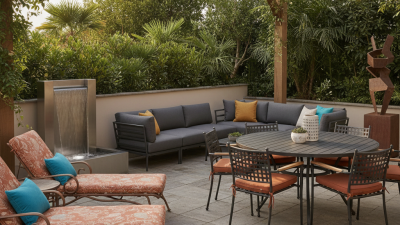
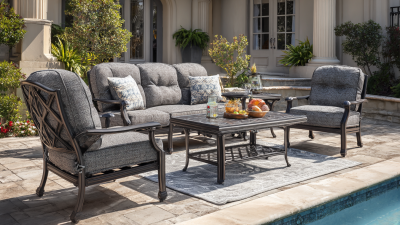
Powder-coated aluminum remains popular because it is lightweight, corrosion-resistant, and easier to move across hospitality projects. Recycled content is gaining attention, although buyers should verify supplier claims through reliable documentation. Steel frames continue to support larger tables and commercial seating, especially where stability matters. New finishes include muted clay, deep green, warm sand, and textured black. They hide minor marks better than glossy surfaces. Small details matter.
Experience from outdoor projects shows that attractive furniture can still fail in real conditions. Thin cushions may absorb moisture, while poorly sealed joints can develop rust after repeated rain. Buyers should inspect weld quality, drainage design, coating thickness, replacement parts, packaging, and assembly instructions. Product testing should reflect local exposure, including strong sunlight, coastal air, temperature changes, and heavy use. One specification rarely fits every market.
The strongest 2026 collections balance clean silhouettes with practical maintenance. Stackable chairs, modular sofas, adjustable tables, and removable covers can improve storage and service efficiency. Yet “sustainable” should not become an empty label. Longer product life, repairable components, responsible packaging, and transparent factory information deserve equal attention. Some trends may look impressive in catalogs but disappoint after one harsh season. Careful comparison remains essential.
Market Overview: Why Metal Patio Furniture Matters in 2026
In 2026, metal patio furniture matters because outdoor spaces are becoming practical extensions of homes, hotels, and restaurants.
Global buyers want products that withstand sunlight, rain, heavy use, and seasonal storage. Metal offers strength, design flexibility, and a long service life when its finish suits the climate. Aluminum suits humid coastal areas because it resists corrosion and remains relatively light. Steel provides stability, but it needs reliable protective treatment and careful drainage. Buyers are also examining recycled content and end-of-life recyclability, not just appearance. Sustainability claims require documentation. Not every claim is clear.
Current demand is moving toward modular seating, stackable chairs, compact tables, and softer neutral finishes. These features simplify shipping, storage, and replacement planning. Procurement reviews often show that strong decisions begin with testing, not catalog images. Check weld quality, coating adhesion, fasteners, load ratings, and replacement-part access. Ask for outdoor exposure data when possible. A beautiful chair can still fail where water collects. That lesson is easy to miss. Metal is not automatically sustainable, either; production, transport, and maintenance still affect its total footprint.
Tips:
Compare lifecycle cost, not only unit price. Request material specifications, finish warranties, care instructions, and compliance documents. Test sample pieces in the intended climate before placing a large order. Leave room for imperfect forecasts. Consumer tastes and weather patterns change. Choose designs that remain useful beyond one season.
Key Design and Material Trends Shaping Global Demand
2026 Top Metal Patio Furniture Trends for Global Buyers
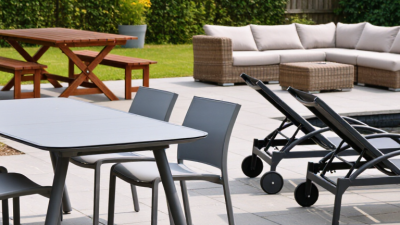
Global demand is moving toward metal furniture that looks refined but performs outdoors. Soft curves, slim frames, and low-profile seating are replacing heavy, formal shapes. Recycled aluminum is gaining attention because it offers light handling and strong corrosion resistance. Steel remains valuable for its weight and structural stability, especially in windy hospitality spaces. Yet, no metal is maintenance-free. Coastal air, standing water, and poor drainage can still shorten product life.
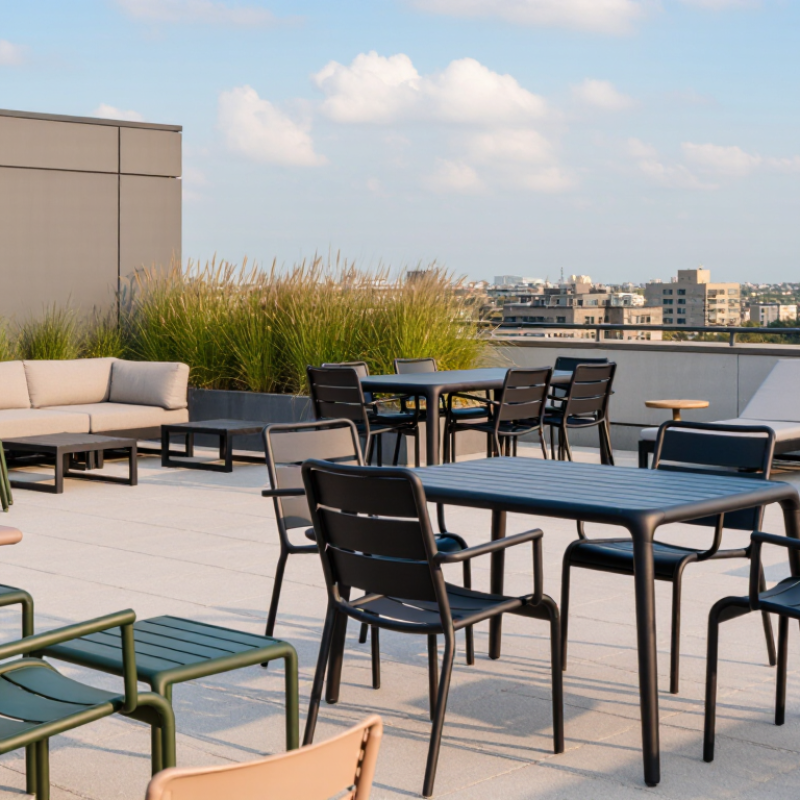
Tips: Check coating quality, frame joints, drainage holes, and replacement-part access before ordering. Ask for verified material details and realistic care instructions. Dark finishes feel modern, but they may become noticeably hotter under direct sun. A sample panel can reveal this faster than a catalog image.
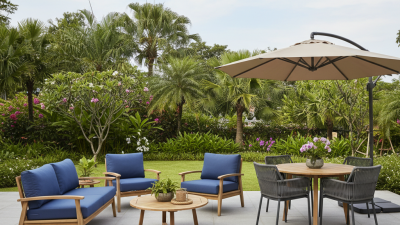
Modular designs are also shaping purchasing decisions. Buyers can combine lounge chairs, benches, and tables as spaces change. This flexibility supports apartments, hotels, restaurants, and compact terraces across different markets. Cushions with quick-drying interiors are becoming more practical in humid regions. Textured powder coatings may hide small scratches better than glossy surfaces, although color consistency can vary between production batches. That detail deserves inspection. Designers are also using warmer tones, such as sand, bronze, and muted green, to make metal feel less industrial. Reliable suppliers should provide clear test information, consistent dimensions, and packaging suited to long-distance shipping.
2026 Top Metal Patio Furniture Trends for Global Buyers
Material weight is a key factor behind current patio-furniture design trends. Aluminum enables lightweight, modular, and easy-to-move products, while steel and stainless steel support slim profiles, structural strength, and long-term outdoor use. Density values are standard engineering reference values.
Reference: typical material density values from engineering materials data; actual values vary by alloy and product specification.
Sustainable Manufacturing and Circular Outdoor Furniture Practices
2026 Top Metal Patio Furniture Trends for Global Buyers
Sustainable manufacturing is moving from a marketing phrase to a purchasing requirement. The UNEP Global Resources Outlook 2024 reports that global resource extraction has tripled since 1970. It may rise another 60% by 2060 without major efficiency gains. For outdoor furniture buyers, this strengthens demand for durable steel and aluminum frames, recycled inputs, and repairable components. Longevity matters more than a perfect first impression.
Steel remains central to circular design. The World Steel Association reports that more than 650 million tonnes of steel are recycled globally each year. Buyers should request recycled-content evidence, material certificates, and information about factory energy use. Aluminum also supports repeated recycling, but collection systems differ sharply across markets. A recyclable frame is not automatically recycled.
Design details now influence recovery value. Bolted joints, replaceable slats, and removable coatings simplify maintenance and material separation. Mixed adhesives can complicate disassembly. They often do. The Circularity Gap Report 2024 measured the global economy at only 7.2% circular, showing how far industry still has to travel. Some suppliers may overstate circular claims, so buyers need traceable data, not attractive wording. Product passports, spare-part availability, and documented take-back routes can make circular outdoor furniture more practical for hospitality, retail, and residential projects. The process remains uneven, expensive, and sometimes inconvenient. That weakness deserves honest attention.
Regional Buyer Preferences and International Market Differences
North American buyers often prefer deep seating, wide armrests, and dark powder-coated frames. They also value modular sets for large patios and changing family needs. In coastal areas, corrosion resistance matters more than decorative detail. European buyers often favor slimmer profiles, stackable chairs, and muted colors. Smaller balconies require furniture that stores easily. Clean lines sell well, but comfort still decides repeat orders.
Regional differences can affect material choices. Buyers in humid Asia may request quick-drying cushions and ventilated metal surfaces. In the Middle East, pale finishes and heat-resistant fabrics can feel more practical. Australian customers often seek weatherproof construction for outdoor dining and poolside use. These preferences are useful guides, not fixed rules. I have seen buyers reject popular designs because the chairs felt heavy or difficult to move. That mistake deserves more attention.
Tips: Check local climate data before selecting coatings. Ask importers about balcony sizes, packaging limits, and preferred colors. Test chair stability on uneven flooring. Confirm replacement-part availability early. A beautiful set can fail if cartons arrive damaged. It happens.
International buyers should also examine regional shipping conditions. Flat-pack designs may reduce freight costs, but assembly quality becomes important. Some markets expect detailed instructions and spare hardware. Others prefer fully assembled products, despite higher transport expenses. Pricing must include duties, storage, and seasonal demand. A low factory price can become expensive later. Forecasts are helpful, but buyer interviews often reveal overlooked habits. Listening carefully remains a practical advantage.
Quality, Compliance, and Sourcing Factors for Global Buyers
2026 Top Metal Patio Furniture Trends for Global Buyers
Metal patio furniture is moving toward lighter frames, modular seating, and stronger corrosion protection. Grand View Research valued the global outdoor furniture market at approximately USD 22.4 billion in 2023, with growth expected through 2030. This expansion increases sourcing pressure. Buyers now examine weld consistency, coating thickness, fastener grades, and replacement-part availability before approving a supplier.
Quality begins with measurable controls. Request material certificates for steel or aluminum, dimensional inspection records, and salt-spray test results under ASTM B117. However, salt-spray hours do not perfectly predict outdoor service life. Coastal humidity, scratches, and stagnant water can change performance. That assumption deserves caution. Powder coating should also be checked for adhesion, impact resistance, and UV exposure. Small details matter.
Compliance cannot be treated as paperwork alone. The EU’s General Product Safety Regulation requires responsible businesses to identify risks and maintain traceable product information. REACH screening may also apply to coatings, plastics, and treated components. The International Trade Centre’s trade data shows furniture remains widely traded across complex supply chains, making origin documents and consistent customs descriptions essential. Before production, global buyers should audit factory controls, verify test laboratories, and inspect packed units. A low purchase price can hide higher costs from corrosion claims, missing hardware, or damaged cartons. I have seen sourcing plans focus heavily on appearance, while packaging and after-sales parts receive too little attention.