Top 10 Benefits of Cast Iron Garden Furniture for Your Outdoor Space
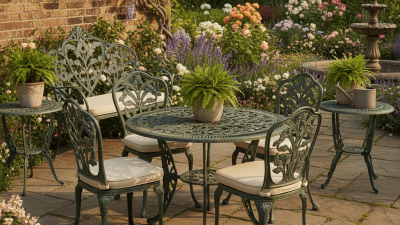
When it comes to enhancing your outdoor space, Cast Iron Garden Furniture stands out. Its timeless charm and durability make it a top choice for many homeowners. Imagine a cozy patio adorned with elegant, intricately designed furniture. This setting becomes a perfect backdrop for family gatherings or quiet moments with a book.
Cast Iron Garden Furniture offers numerous benefits beyond aesthetics. It can withstand harsh weather, lasting for years with minimal maintenance. Yet, some may worry about its weight. While this can make rearranging a challenge, it also means stability in windy conditions. This furniture type embodies a long-term investment, though one must consider its initial cost.
Incorporating Cast Iron Garden Furniture in your garden not only elevates its style but also enhances functionality. Picture inviting friends over for a barbecue, seated comfortably on sturdy chairs. A well-designed space can inspire joy, urging us to spend more time outdoors. Reflecting on these benefits, you may find that the allure of cast iron is not just its beauty, but also its ability to create lasting memories.
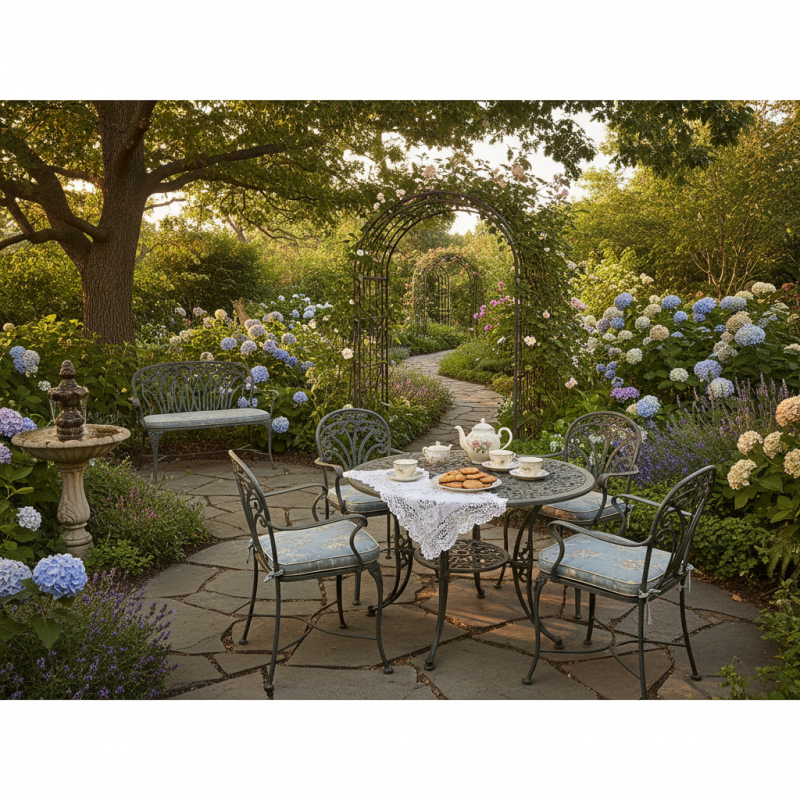
Benefits of Durability: Why Cast Iron Furniture Lasts for Decades
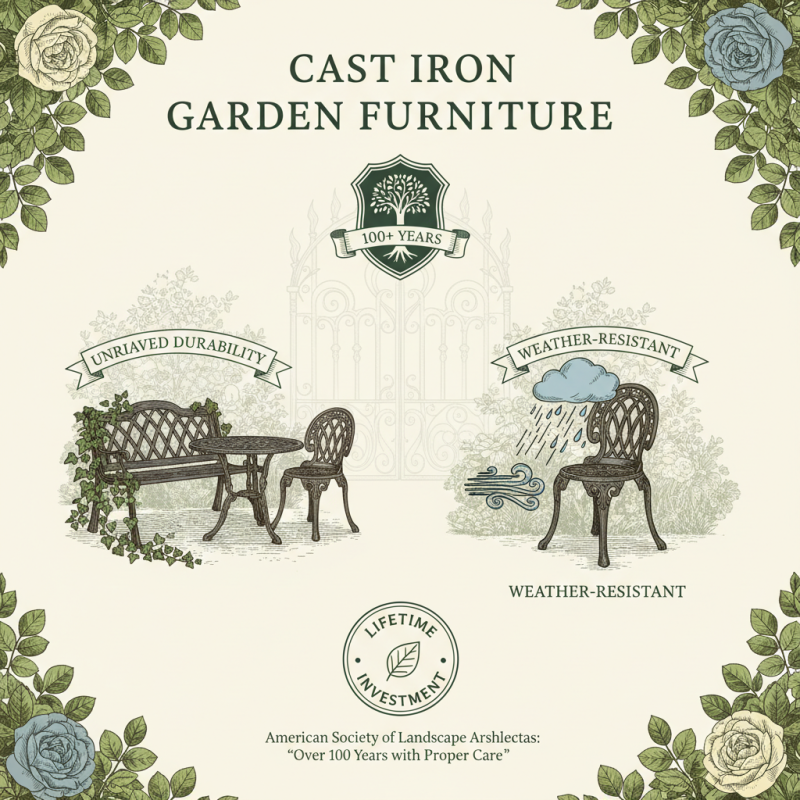
Cast iron garden furniture is not just a stylish addition to your outdoor space; it offers remarkable durability. According to the American Society of Landscape Architects, cast iron can last over 100 years with proper care. This outstanding lifespan makes it a practical choice for homeowners seeking long-term investment in their gardens. The inherent strength of iron allows it to withstand severe weather. Strong winds and heavy rain won’t easily damage it.
Tips: Regularly clean your cast iron furniture to prevent rust. Use a simple solution of soap and water for maintenance.
The weight of cast iron furniture contributes to its stability. Unlike lighter materials, it won’t blow away during storms. Reports indicate that well-crafted cast iron can resist fading and cracking, even under intense sunlight. However, it's essential to check for any signs of wear. Small rust spots can develop over time, especially if exposed to moisture. Addressing them promptly can enhance the longevity of your furniture.
Tips: Apply a protective sealant once a year. It can significantly increase resistance to moisture and rust.
In summary, cast iron furniture combines elegance and endurance. Its durability means fewer replacements, reducing waste. As more consumers adopt sustainable choices, investing in cast iron becomes increasingly appealing. Choose thoughtful designs that complement your outdoor space while ensuring they can handle the test of time.
Aesthetic Appeal: Enhancing the Visuals of Your Outdoor Space
When it comes to enhancing your outdoor space,
cast iron garden furniture
offers remarkable aesthetic appeal. Its classic design effortlessly blends with various landscapes.
Studies show that well-designed outdoor areas can increase residential property value by up to
15%.
Investing in visually pleasing furniture is not just about style; it’s about creating an inviting atmosphere.
Cast iron’s intricate patterns and rich colors add character. These pieces can serve as stunning
focal points in gardens or patios. The weight and sturdiness also provide stability, lowering
maintenance issues over time. However, remember that exposure to the elements can lead to
rusting. Regular upkeep
is necessary to maintain their beauty.
Tip:
Apply a protective coating yearly to prevent rust.
Choosing the right color is essential, too.
Darker hues can absorb heat, making them
uncomfortable in direct sunlight. Light colors reflect more
sunlight, enhancing comfort. Just be cautious; lighter shades can show dirt more easily.
Tip: Use seat cushions for added comfort and color contrast.
Consider mixing different styles of cast iron pieces for a unique look.
A mismatched approach can be charming but may require careful curation. Balance is key in
achieving an attractive space. Finding that balance is part of the creative process.
Low Maintenance Requirements: Easy Care for Busy Homeowners
Cast iron garden furniture is a fantastic choice for homeowners with busy lives. Its low maintenance needs make it ideal for those who want outdoor comfort without the hassle. Just a quick wipe with a damp cloth keeps the furniture looking fresh. Rain or shine, cast iron can withstand the elements. It doesn’t rust easily with proper care, making it a durable option.
However, it's not entirely maintenance-free. Flaking paint can be an issue over time. Regular touch-ups may be necessary. A simple paint job can breathe new life into the furniture. Additionally, keeping it clean from debris helps prevent any buildup that might affect its longevity.
For some, the weight of cast iron is both a blessing and a curse. It stays put during windy days but can be challenging to rearrange. Think about your garden layout before settling on a design. Well-cared-for cast iron pieces can last for generations, adding charm to your outdoor space. Embrace the beauty and strength, but also be prepared for occasional upkeep.
Weather Resistance: How Cast Iron Withstands the Elements
Cast iron garden furniture is renowned for its remarkable weather resistance. This sturdy material can endure harsh elements without losing its charm. Rain, snow, or strong sun, cast iron holds up impressively. Unlike other materials, it does not warp or crack under changing climate conditions. Each piece can survive years of outdoor exposure.
The finish on cast iron can become weathered. It's a common occurrence. However, this can add character to the furniture. Many people appreciate the rustic look. It tells a story of time spent outdoors. A simple coat of paint can bring back its shine. It’s a chance to refresh your garden’s look.
Using cast iron also involves maintenance. Regular care is needed to prevent rust. Some might find this challenging. Yet, the durability of cast iron often outweighs the upkeep effort. In the end, cast iron remains a popular choice for creating a welcoming outdoor space. It combines elegance with strength, ensuring your garden furniture lasts through the seasons.
Sustainability: Eco-Friendly Aspects of Cast Iron Garden Furniture
Cast iron garden furniture offers a sustainable choice for outdoor spaces. It is durable and can last for decades, reducing the need for replacements. This longevity ultimately minimizes waste and saves resources. Additionally, cast iron is recyclable. When the furniture reaches the end of its life, it can be melted down and repurposed.
Choosing cast iron benefits both your garden and the environment. It requires less maintenance than other materials. Occasional cleaning and a rust-proof coating can keep it looking great. However, be mindful of its heavy weight. Moving it around may take extra effort, but this stability adds to its charm.
Tips: Select pieces with intricate designs. They add character and can blend with various garden styles. To maintain the eco-friendly aspect, consider using natural oils for protection. Experiment with DIY solutions to avoid chemicals. Embracing imperfection in the design may bring a unique, rustic feel to your outdoor space. Remember, sustainability is a journey, not a destination.
Top 10 Benefits of Cast Iron Garden Furniture for Your Outdoor Space - Sustainability: Eco-Friendly Aspects of Cast Iron Garden Furniture
| Benefit |
Description |
Eco-Friendly Aspect |
| Durability |
Cast iron furniture withstands harsh weather, lasting for decades. |
Reduces the need for frequent replacements, minimizing waste. |
| Recyclability |
At the end of its life, cast iron can be recycled effectively. |
Supports a circular economy and resource conservation. |
| Timeless Aesthetic |
Classic design enhances the beauty of outdoor spaces. |
Encourages long-term use, reducing trends in furniture waste. |
| Low Maintenance |
Requires minimal upkeep and can be easily cleaned. |
Less frequent repairs contribute to lower resource consumption. |
| Chemical-Free Furniture |
Manufactured without harmful chemicals. |
Safer for the environment and human health. |
| Heat Retention |
Retains heat, providing warmth during cooler periods. |
Reduces energy usage in outdoor heating solutions. |
| Stability |
Heavy material provides stability in windy conditions. |
Ensures safety and longevity, avoiding frequent replacements. |
| Versatility |
Available in various styles and finishes to suit all tastes. |
Encourages unique designs that last without fads. |
| Timely Craftsmanship |
Often handmade with attention to detail. |
Supports traditional craft and reduces mass production waste. |
| Community Support |
Often produced by local artisans, boosting local economies. |
Promotes sustainable local practices and reduces transportation impact. |