How to Choose the Best Garden Furniture for Your Outdoor Space
Selecting the right garden furniture is essential for enhancing the functionality and aesthetic appeal of your outdoor space. According to a report by the International Casual Furnishings Association, the outdoor furniture market has seen significant growth, valued at over $6 billion in 2021 and projected to continue expanding as homeowners increasingly recognize the value of outdoor living. With more people investing in their gardens as an extension of their home, choosing the best garden furniture becomes a crucial decision that impacts both comfort and style.
When considering garden furniture, factors such as material, durability, and design play an important role. Research from a leading home and garden industry analyst shows that consumers prioritize weather-resistant materials, with over 60% preferring aluminum and synthetic wicker for their longevity and ease of maintenance. As outdoor spaces evolve to become multi-functional areas for relaxation and entertainment, understanding the diverse range of options available is more pertinent than ever. By thoroughly assessing your specific needs and preferences, you can curate a garden furniture collection that not only complements your landscape but also enhances your outdoor living experience.

Understanding Your Outdoor Space and Needs
When selecting the best garden furniture for your outdoor space, it is essential to first comprehend the unique characteristics of your area.
Evaluate the size of your garden to determine how much furniture can comfortably fit without overcrowding.
A spacious yard might allow room for larger pieces such as sectional sofas or dining sets, while a smaller space may benefit from
compact benches or foldable chairs that can be easily stored away.
Additionally, consider the layout and exposure of your outdoor space. If you have a sun-drenched patio, opt for materials that can withstand UV rays and heat, such as treated wood or synthetic rattan.
Conversely, shaded areas might be perfect for softer materials that lend a cozy appearance.
It’s also important to assess how you intend to use the space—whether for entertaining guests, relaxing with family, or cultivating a garden oasis.
This understanding will help guide your choices in
style, color, and functionality, ensuring that your garden furniture truly complements and enhances your outdoor experience.
Types of Garden Furniture: Materials and Styles
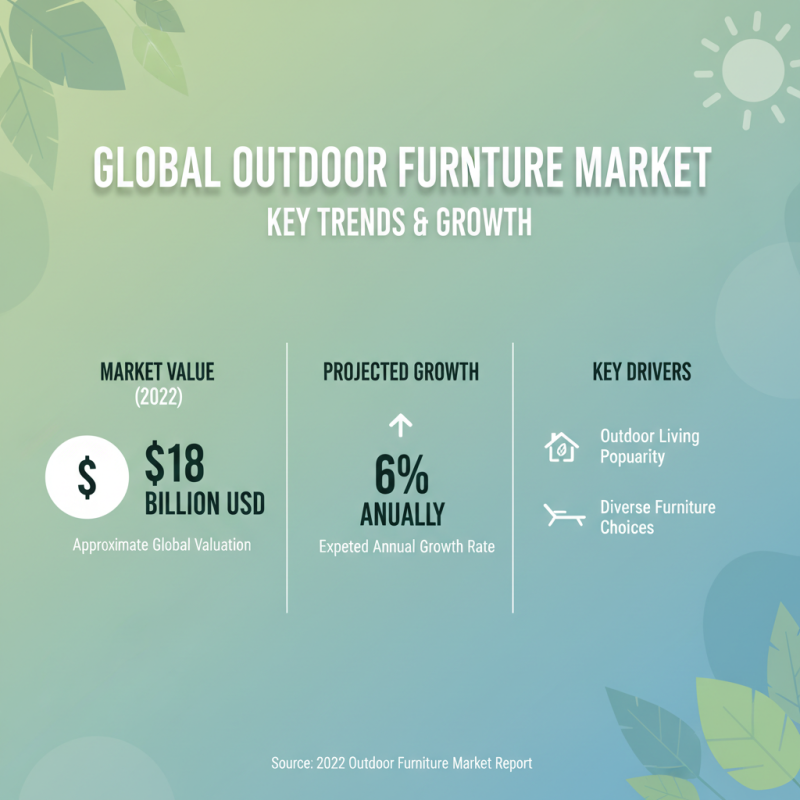
When selecting garden furniture for your outdoor space, understanding the various materials and styles available is crucial. According to the 2022 Outdoor Furniture Market report, the global outdoor furniture market was valued at approximately $18 billion and is projected to grow by 6% annually. This growth highlights the increasing popularity of outdoor living spaces and the importance of well-thought-out furniture choices.
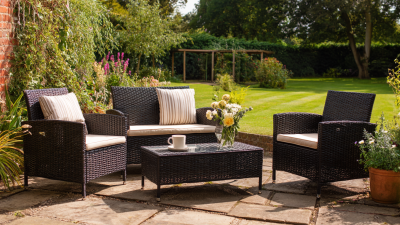
There are several materials commonly used in garden furniture, each offering distinct advantages. For instance, aluminum is known for its lightweight nature and resistance to rust, making it ideal for various weather conditions. Wood, particularly teak and eucalyptus, provides a classic aesthetic and durability, with studies indicating that wooden furniture can last up to 25 years when properly maintained. Additionally, synthetic wicker has gained traction due to its stylish appearance and low maintenance requirements. According to the American Home Furnishings Alliance, nearly 40% of consumers prefer synthetic materials for their outdoor settings due to their longevity and ease of cleaning.
In terms of styles, garden furniture ranges from traditional designs with ornate details to modern minimalist forms, catering to diverse preferences. A survey conducted by the International Casual Furnishings Association revealed that nearly 55% of homeowners are opting for contemporary furniture styles that emphasize clean lines and functionality. When choosing furniture, it's essential to consider not only the aesthetic appeal but also how well the material and style fit into your outdoor space's overall ambiance and usability requirements.
Factors to Consider When Selecting Garden Furniture
When choosing garden furniture, it’s essential to consider various factors that will influence both comfort and durability. According to a recent report by the International Garden Furniture Association (IGFA), 65% of consumers prioritize weather resistance when selecting outdoor furniture. Materials such as aluminum, teak, and synthetic wicker are often recommended due to their ability to withstand harsh weather conditions, ensuring longevity and value for your investment. Furthermore, opting for UV-resistant finishes can help maintain the aesthetics of your furniture, preventing fading caused by prolonged sun exposure.
Another important factor is functionality, as highlighted in a survey by Outdoor Living Brands, where 72% of participants indicated that adaptability of furniture is crucial for maximizing outdoor spaces. For smaller areas, selecting foldable or stackable pieces can optimize space without compromising style. Additionally, considering the purpose of the furniture—whether for dining, lounging, or entertaining—can significantly impact your choice. For example, versatile modular seating can be rearranged depending on the occasion, making it a popular choice for dynamic outdoor settings. Balancing these elements ensures that your garden furniture not only complements your outdoor aesthetics but also enhances usability and comfort throughout the seasons.
How to Choose the Best Garden Furniture for Your Outdoor Space
| Factor |
Description |
Material Options |
Durability |
Maintenance |
| Comfort |
Choose furniture with ergonomic designs. |
Wood, metal, rattan |
Varies by material |
Cushions require regular cleaning |
| Style |
Select furniture that complements your garden's aesthetics. |
Modern, rustic, traditional |
Moderate to high |
Low maintenance for metal options |
| Weather Resistance |
Furniture should withstand local weather conditions. |
Teak, aluminum, resin |
High with proper finishes |
Minimal for synthetic materials |
| Space |
Ensure furniture fits your available area. |
Foldable, stackable options |
Depends on style chosen |
Easily stored if foldable |
| Budget |
Balance quality and cost for best value. |
Economical options to premium ranges |
Higher prices often indicate better durability |
Long-term costs should be considered |
Maintenance Tips for Outdoor Furniture Longevity
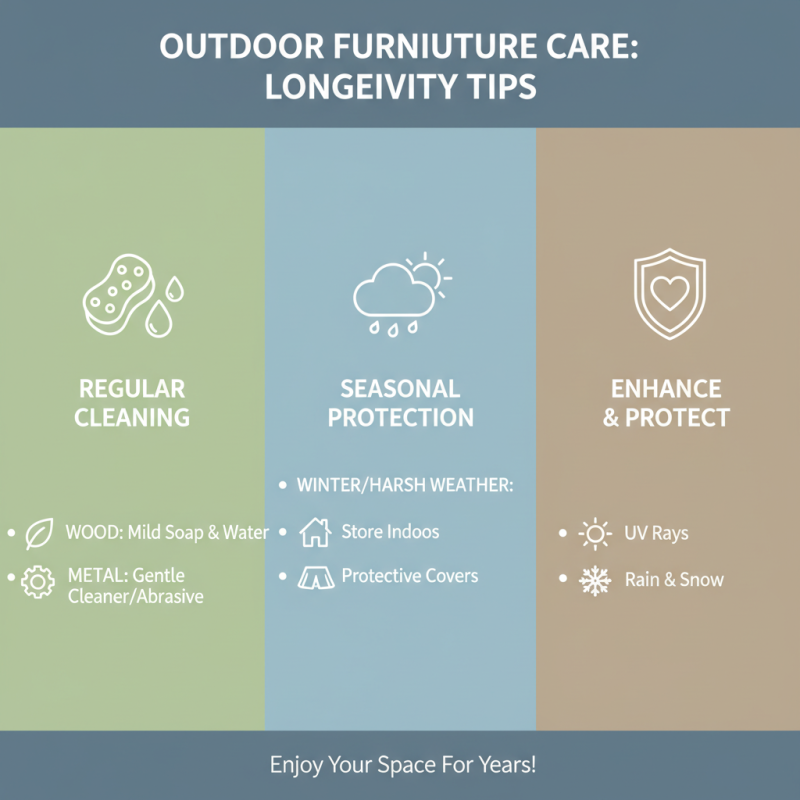
When it comes to maintaining outdoor furniture, ensuring longevity is key to enjoying your outdoor space for years to come. One of the most critical maintenance tips is regular cleaning. Depending on the material, you can use mild soap and water for wood, while metal furniture may require a gentle abrasive or specialized cleaner to remove grime without damaging the finish. Be mindful of the seasonal elements; during winter or harsh weather, it’s wise to either store your furniture indoors or use protective covers to shield it from rain, snow, and UV rays.
Additionally, treating your furniture appropriately can significantly extend its lifespan. For wooden pieces, applying a weather-resistant sealant annually can help protect against moisture and sun damage. Metal furniture might benefit from a coating of rust-resistant paint to prevent corrosion. If you opt for cushions and pillows, ensure they are made from fade-resistant materials and consider bringing them inside during inclement weather. By following these simple yet effective maintenance tips, you can preserve the beauty and functionality of your outdoor furniture, enhancing your garden experience for many seasons to come.
Budgeting for Garden Furniture: What to Expect
When budgeting for garden furniture, it's essential to consider various factors that can influence your overall costs. First, evaluate the type of materials you prefer. Options like wood, metal, and plastic come with different price ranges and longevity. For instance, while high-quality untreated wood can add a rustic charm, it often requires more upkeep and can be a higher initial investment. On the other hand, metal furniture may provide durability and a modern look but can also mean a heftier price tag depending on the design and coating used for protection against the elements.
Next, determine the purpose of your outdoor space and how much seating and functionality you need. If you often entertain guests or enjoy family gatherings, larger dining sets or lounge areas may be necessary, which will increase your budget. Conversely, if your garden is primarily for relaxation or aesthetic appeal, a few well-placed chairs and a small table might suffice, allowing you to save money or spend on higher-quality pieces. Lastly, always set aside a portion of your budget for accessories such as cushions, umbrellas, and covers, as these items can enhance comfort and longevity while also adding personal style to your outdoor oasis.
Choosing the Best Garden Furniture for Your Outdoor Space
This chart illustrates the average cost and other considerations associated with various types of garden furniture. When selecting outdoor furniture, it's important to balance cost, durability, and maintenance to find the best fit for your budget.