Choosing the right material for Garden Table And Chairs affects comfort, appearance, maintenance, and long-term value. A sunny patio can make dark metal surfaces uncomfortably hot. Heavy rain can expose weak joints, swollen wood, or hidden rust. These details matter more than a showroom photograph.
This guide compares common options, including teak, eucalyptus, aluminum, steel, synthetic resin, and recycled plastic. Each material responds differently to moisture, sunlight, temperature changes, and daily use. Teak offers natural oils and a warm appearance, but quality and responsible sourcing deserve careful attention. Aluminum resists rust and remains relatively easy to move, although lightweight frames may shift in strong wind. Powder-coated steel feels sturdy, yet damaged coatings can allow corrosion to spread.
Practical testing often reveals more than product descriptions. Check welds, fasteners, drainage holes, edge finishes, and the stability of each chair on uneven paving. Sit down before buying. Small flaws become frustrating after months outdoors. Manufacturers’ care instructions and material certifications can also improve buying confidence, though labels are not always perfectly clear. That is worth questioning.
The best choice depends on your climate, storage space, budget, and preferred appearance. A coastal home may need different protection than a shaded urban balcony. No material is maintenance-free. Even durable furniture needs cleaning, inspection, and sensible winter storage. With reliable comparisons and realistic expectations, you can select Garden Table And Chairs that remain comfortable, safe, and attractive through changing seasons.
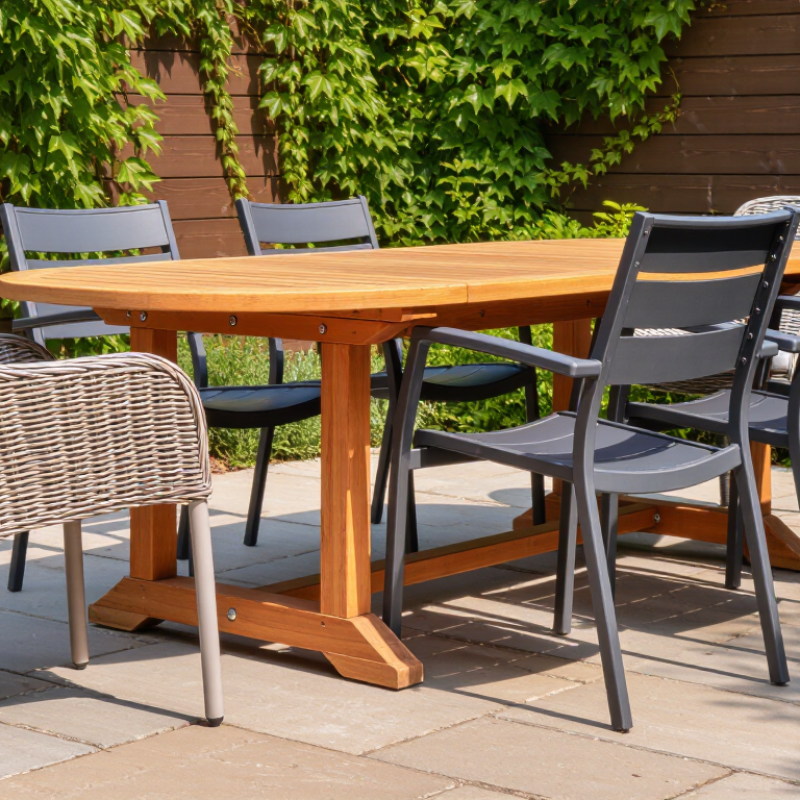
The best material for garden tables and chairs is not identical for every yard. Suitability depends on rain, sunlight, salt air, daily use, and storage space. A material should resist moisture, remain stable in changing temperatures, and feel comfortable against skin. It also needs enough strength for repeated sitting, moving, and occasional knocks. In hands-on outdoor use, small details matter: rounded edges, firm joints, drainage gaps, and non-slip feet. A beautiful surface is not enough.
Powder-coated aluminum is light, rust-resistant, and easy to move across a patio. It can feel hot in strong sun, though, and thin frames may flex.
Weather-resistant hardwood offers warmth and weight, which helps tables stay steady during windy evenings. However, wood requires regular cleaning and protective treatment, especially where water collects around joints. I have found that neglected timber can look tired sooner than expected. That is a useful warning.
Steel offers excellent rigidity, but exposed scratches can invite corrosion. Galvanized or well-finished steel performs better, yet its weight makes winter storage harder.
Recycled plastic and resin furniture handles rain well and usually needs only soap and water. Its lower weight can be useful, but cheaper pieces may wobble or fade. Check load ratings, fasteners, and the underside before buying. A chair that feels stable on paving may rock on grass. Leave airflow beneath cushions, and avoid trapping wet fabric against any frame.
I would question claims such as “maintenance-free”; every outdoor material eventually needs inspection. Look for repairable parts, recyclable content, and finishes that do not peel into the garden.
Comfort matters too. Not always. A durable chair is still unsuitable if its seat becomes painfully hot at noon.
What Is the Best Material for Garden Table and Chairs?
Choosing garden furniture depends on weather, maintenance, comfort, and daily use. Wood feels warm and natural, especially beside lawns or stone paths. Teak and treated hardwood can resist moisture, but they still need cleaning and occasional protection. Untreated wood may crack, fade, or develop rough areas. I once underestimated shade, and a wooden chair dried unevenly after repeated sun exposure. Metal offers strong support and a clean appearance. Powder-coated steel resists rust better than untreated steel, while aluminium is lighter and easier to move. However, dark metal can become uncomfortably hot in direct sunlight.
Plastic is practical for families and damp climates. It is lightweight, easy to wash, and usually costs less. Some plastic furniture can fade or become brittle after long exposure to ultraviolet light. Wicker creates a relaxed, textured look, but its performance depends on the material. Natural wicker needs careful shelter from rain. Synthetic wicker usually handles outdoor conditions better, although dust collects between its woven strands. No option is perfect. I would choose differently for a windy balcony than for a covered patio.
Tips: Check the frame joints before buying. Sit on each chair for several minutes. Look for smooth edges and stable feet. In wet areas, raise furniture slightly from standing water. Store cushions indoors. Recheck screws each season, because small movements can become annoying repairs. When uncertain, test one piece through a full month of local weather. That small experiment may challenge your first choice.
Scores are based on common outdoor-furniture characteristics, using a 1–5 scale where 5 is the most favorable. Metal and plastic generally provide strong weather resistance, while wood offers a natural appearance and good comfort. Wicker is lightweight and attractive, but its outdoor performance depends heavily on the weave and protective treatment.
Climate should guide your choice more than appearance. In my experience, furniture that survives one summer may fail after a wet winter.
Hot, dry regions favor powder-coated aluminum, which resists rust and remains relatively light. However, its surface can become extremely hot in direct sunlight. Add shade or choose cushions with breathable covers.
Humid and rainy climates need materials that tolerate constant moisture. Teak and other naturally durable hardwoods handle rain well when properly maintained. They may develop a silver-gray surface over time. That change is harmless, but some homeowners dislike it.
Plastic lumber also performs reliably in wet areas because it will not rot or absorb water. It can expand slightly in strong heat, so allow room around joints. No material is perfect.
Coastal gardens are especially demanding. Salt air can corrode untreated steel and damage weak finishes. Marine-grade stainless steel resists corrosion better, but it still needs occasional rinsing.
Aluminum works well near the sea, provided its coating remains intact. In cold climates, heavy hardwood or steel furniture offers better stability during strong winds. Store cushions indoors before freezing weather.
I once underestimated winter moisture and left water trapped beneath a table base. The hidden corrosion appeared months later. Regular inspections matter, even with durable materials.
The best material depends on your weather, storage space, and willingness to maintain it. A shaded patio allows more choices than an exposed garden.
Powder-coated aluminum is lightweight, rust-resistant, and easy to clean with mild soap. It works well in rainy areas, but strong wind can move lightweight chairs. Check the frame joints regularly. Loose screws often appear before serious damage.
Hardwood can create a warmer, more natural setting. However, it may need oiling or sealing to reduce cracking, fading, and moisture absorption. I once left a wooden table uncovered through one wet season. Its surface became rougher than expected. That experience changed my maintenance routine.
Stainless steel offers excellent strength and handles frequent use. Salt air can still cause surface marks, so coastal furniture needs regular rinsing.
Recycled plastic resists moisture and usually needs little care. Yet, cheaper construction may bend under heavy loads or fade in strong sunlight.
Maintenance is part of material choice, not an afterthought. Wipe spills quickly, keep drainage holes clear, and avoid harsh cleaners. Use breathable covers rather than trapping dampness underneath. I prefer durable materials, but “maintenance-free” is rarely accurate. Even strong furniture needs inspection, especially after storms and winter storage.
The best material for garden tables and chairs depends on your space, climate, and daily habits. Matching furniture to these needs matters more than following fashion. In a damp coastal garden, powder-coated aluminum usually resists rust and remains easy to move. It can feel cold, though, especially on windy mornings. Add cushions with quick-drying covers for comfort.
Wood suits gardens that need warmth and natural texture. Teak and other outdoor-rated hardwoods can handle changing weather when maintained correctly. However, wood may crack, fade, or develop rough areas if water sits on it. I have found that a breathable cover and yearly inspection prevent many problems. Still, maintenance is easy to underestimate.
For busy households, recycled plastic or resin furniture offers simple cleaning and low upkeep. A bucket of mild soapy water often removes pollen and food marks. Dark colors can become hot under strong sunlight. Wicker can look inviting, but choose weather-resistant synthetic fibers for exposed patios. Natural wicker needs more protection and may not suit year-round outdoor use. Steel provides a sturdy feel for large tables, yet untreated surfaces can corrode quickly. A protected finish helps, but scratches need prompt attention. Measure the area carefully, too; a beautiful table becomes frustrating when chairs cannot slide back comfortably. Personally, I would choose mixed materials when one option cannot meet every need. A wooden tabletop with a lightweight metal frame can balance appearance, strength, and practical care.
| Material | Typical Durability | Weather Resistance | Maintenance | Comfort in Hot Weather | Relative Cost | Environmental Considerations | Best Suited For |
|---|---|---|---|---|---|---|---|
| Aluminum | High | Does not rust and generally withstands rain well. Lightweight frames may need anchoring in windy locations. | Low. Clean with mild soap and water; inspect powder coating for scratches. | Can become hot in direct sunlight, especially in dark colors. | Medium to high | Recyclable and relatively light to transport. Manufacturing requires significant energy. | Balconies, patios, coastal areas, and people who want lightweight furniture. |
| Stainless Steel | Very high | Strong resistance to moisture and corrosion, although salt air and surface contaminants still require cleaning. | Low to medium. Regular cleaning helps prevent stains and tea-colored surface deposits. | Can heat up in direct sun. | High | Highly durable and recyclable, which can support a long service life. | Contemporary gardens, heavy-use dining areas, and windy locations. |
| Powder-Coated Steel | High | Good while the protective coating remains intact. Exposed scratches can eventually lead to corrosion. | Medium. Clean regularly and touch up damaged coating promptly. | May become hot in strong sunlight. | Medium | Strong and recyclable, but heavier than aluminum and more energy-intensive to transport. | Stable dining sets, sheltered patios, and budgets needing strong frames. |
| Teak | Very high | Naturally resistant to moisture, decay, and many outdoor conditions because of its oils and dense grain. | Medium. It can weather naturally to silver-gray; oiling is optional and requires regular upkeep. | Usually more comfortable than metal in direct sun, although cushions may still be needed. | High | Choose legally harvested, responsibly managed timber. Long life can reduce replacement frequency. | Premium outdoor dining, humid climates, and traditional or natural-looking gardens. |
| Other Durable Hardwood | Medium to high | Varies by species and finish. Protective coatings and good drainage improve outdoor performance. | Medium to high. May require sealing, sanding, or refinishing over time. | Generally more comfortable than bare metal in warm weather. | Medium to high | Prefer certified or reclaimed timber and avoid untraceable sources. | Gardens where natural appearance, warmth, and repairability are priorities. |
| HDPE Recycled Plastic | High | Resists moisture, rot, and insects. Quality products usually tolerate outdoor exposure well. | Low. Wash with soap and water; avoid harsh solvents and abrasive cleaners. | Can become warm in direct sunlight but is often less heat-conductive than metal. | Medium to high | Can contain recycled material and is recyclable in some waste systems. Confirm local recycling access. | Low-maintenance gardens, family spaces, and damp climates. |
| Synthetic Wicker with Aluminum Frame | Medium to high | Good when made with UV-resistant outdoor resin and a corrosion-resistant frame. Poor-quality strands may fade or crack. | Low to medium. Remove dirt from the weave and protect cushions from prolonged moisture. | Usually more comfortable than bare metal because of the woven surface. | Medium | Longevity depends on resin quality; damaged synthetic fibers can be difficult to recycle. | Covered patios, relaxed seating areas, and homes seeking a woven appearance. |
| Glass Tabletop with Metal Frame | Medium | Glass is moisture-resistant, but metal joints and frame coatings need protection from corrosion. | Medium. Clean glass frequently and check for chips, loose fittings, or damaged seals. | Can reflect sunlight and become warm; dark glass may absorb more heat. | Medium | Glass is recyclable where suitable collection exists, but transport and breakage can increase its footprint. | Modern dining areas where a smooth, easy-to-wipe tabletop is desired. |
| Natural Stone | Very high | Highly stable outdoors, but porous stones may absorb water and stain or crack in freeze-thaw conditions. | Medium. Periodic sealing may be needed depending on the stone type and finish. | Often remains cool in shade but can become hot in direct sunlight. | High | Very long service life, though quarrying and transportation can have a substantial environmental impact. | Permanent patios, low-wind locations, and designs requiring maximum stability. |