What is Cast Iron Garden Furniture and Why Choose It?
When considering outdoor furniture, Cast Iron Garden Furniture stands out for its durability and timeless appeal. Expert designer Sarah Thompson states, “Cast iron is both a statement piece and a functional investment.” This reflects how such furniture combines aesthetics with practicality. Known for its strength, cast iron can withstand various weather conditions, making it an ideal choice for gardens and patios.
Cast Iron Garden Furniture often features intricate designs that enhance any outdoor space. Its weight provides stability, preventing it from being easily moved by strong winds. However, it is essential to note that it can require maintenance to avoid rust. Owners must commit to regular care, which may lead some to question if the effort is worthwhile.
Despite these considerations, many find that the charm of Cast Iron Garden Furniture outweighs the upkeep challenges. Its unique characteristics can add character to any garden. The initial investment may be higher than other materials, but the durability often justifies the cost. As you explore your options, weigh the pros and cons of this classic choice.
What is Cast Iron Garden Furniture?
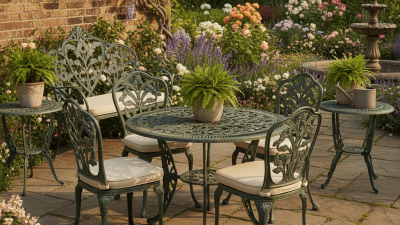
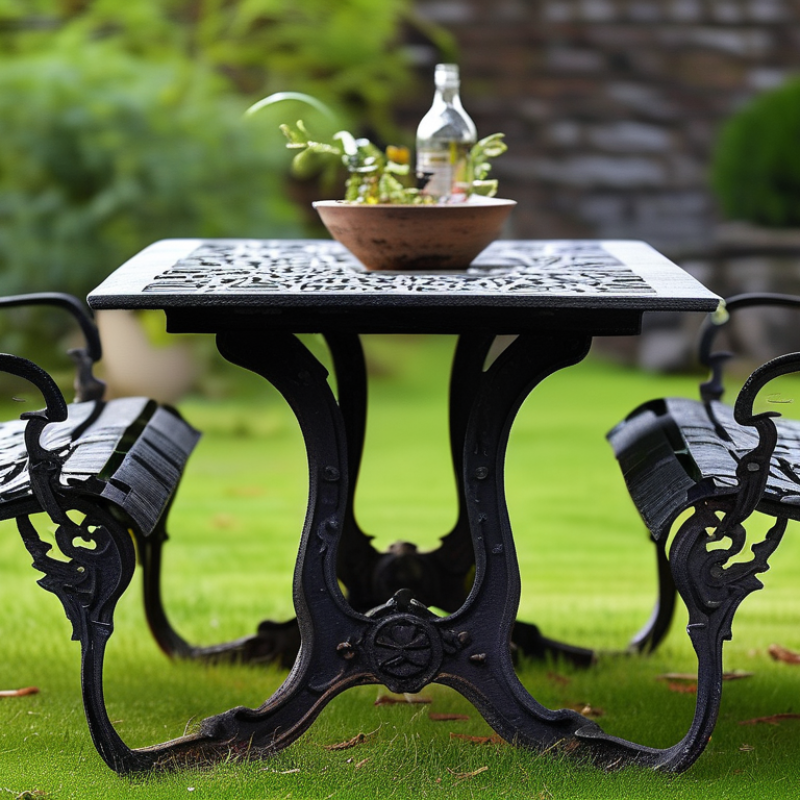
Cast iron garden furniture represents a fusion of durability and aesthetic appeal. Typically made from iron alloys, this furniture is known for its weight and stability. It traditionally features ornate designs, adding a touch of vintage charm to outdoor spaces. According to a 2022 report from the Outdoor Furniture Association, cast iron sets can last over 25 years with proper care, making them a worthwhile investment for any garden.
When considering cast iron furniture, think about weight. While the heaviness ensures stability in windy conditions, it might complicate rearranging your space. Maintenance is essential and straightforward; regular cleaning and occasional oiling can prevent rust. A study by the Metal Furniture Council highlighted that only 15% of cast iron users reported significant rust issues, provided they followed best care practices.
Tip: To enhance longevity, consider storing your cast iron pieces indoors during harsh weather. This simple step can significantly decrease the chances of corrosion. Additionally, using furniture covers can protect from moisture and debris, ensuring your pieces remain pristine. Embrace the beauty of cast iron, but remember to weigh its challenges, particularly in terms of upkeep and weight.
What is Cast Iron Garden Furniture and Why Choose It?
| Dimension |
Description |
Benefits |
Maintenance |
Cost |
| Material |
Cast iron is a strong and durable material commonly used in outdoor furniture. |
Long-lasting, resistant to wear and tear, offering a classic aesthetic. |
Requires minimal maintenance; regular cleaning and occasional repainting to avoid rust. |
Moderately priced; can range from $150 to $800 depending on design and craftsmanship. |
| Design |
Available in various designs, often featuring intricate patterns and styles. |
Enhances garden decor, adds a vintage feel to outdoor spaces. |
Occasional polishing to maintain finish; protect from extreme weather. |
Varies widely by design, with some unique pieces costing more. |
| Weight |
Heavier than most outdoor furniture materials. |
Stable and steady; less likely to blow over in strong winds. |
Cleaning with mild soap and water; avoid abrasive materials. |
Initial investment is higher, but longevity offsets the cost. |
| Durability |
Can last for decades if properly cared for. |
Highly resistant to fading, scratching, and wear. |
Store indoors during harsh seasons to extend lifespan. |
Often seen as a wise investment for long-term use. |
Advantages of Using Cast Iron for Outdoor Furniture
Cast iron garden furniture is known for its durability and classic aesthetic. One of the key advantages of using cast iron for outdoor furniture is its strength. This material can withstand harsh weather conditions. It resists rust and corrosion better than other metals, making it suitable for various climates.
Another significant benefit is the intricate designs possible with cast iron. The material allows for detailed patterns, adding elegance to your outdoor space. You can find pieces that range from ornate to minimalist styles. This flexibility means you can create a cohesive look in your garden.
**Tip:** To maintain your cast iron furniture, regular cleaning is essential. Wipe it down with a soft cloth and mild soap to prevent dirt buildup.
Furthermore, cast iron furniture is stable and heavy, so it won't easily blow away in strong winds. However, it can be challenging to move due to its weight. If you're rearranging your garden often, consider this factor.
**Tip:** Protect your furniture with a cover during winter. This simple step prolongs its life and keeps it looking fresh.
Choosing cast iron for your outdoor furniture combines beauty with practicality. It’s an investment that can enhance your garden for years to come.
Advantages of Cast Iron Garden Furniture
Durability and Weather Resistance of Cast Iron
Cast iron garden furniture is renowned for its impressive durability. Unlike other materials, cast iron can withstand harsh weather conditions. Rain, snow, and intense sunlight don't easily damage it. This resilience makes it suitable for outdoor settings. A well-maintained cast iron piece can last for decades, often becoming the centerpiece of gardens.
The weather resistance of cast iron is notable. Its heavy weight prevents it from being easily blown away by strong winds. Additionally, it can endure the freeze and thaw cycle, which often damages patio furniture. Regular maintenance, such as applying protective coatings, enhances its lifespan. However, some people forget to do this, leading to rust over time. That said, even with occasional maintenance, cast iron remains one of the most reliable outdoor furniture options.
Design and Aesthetic Appeal of Cast Iron Furniture
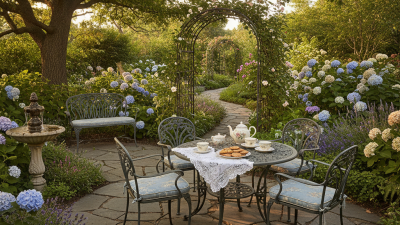
Cast iron garden furniture stands out with its timeless design and aesthetic appeal. Its intricate patterns and solid structure create an elegant look that complements any garden setting.
According to industry reports, cast iron has a lifespan of over 100 years when properly maintained. This makes it a sustainable choice for homeowners. The unique ability of cast iron to weather beautifully, developing a rich patina, only enhances its charm.
However, this durability doesn’t come without challenges. Rust can develop if not regularly cared for, which may detract from its appeal. Regular maintenance is necessary, such as repainting every few years. It’s essential to choose the right location; excessive moisture can accelerate corrosion.
Tip: To preserve the aesthetic, consider using a protective cover during harsh weather. Another consideration is weight. Cast iron furniture is heavy, making it stable but difficult to move. Ensure your design allows for flexibility in arrangements.
Incorporating cast iron pieces can elevate garden aesthetics and inspire outdoor gatherings. Its sturdy construction means it can handle the wear of frequent use. When choosing cast iron furniture, think about the surrounding landscape. Complementing your space enhances overall beauty.
Maintenance Tips for Cast Iron Garden Furniture
Cast iron garden furniture is known for its strength and durability. However, proper maintenance is vital to extend its life. A study by the American Society of Landscape Architects reveals that untreated cast iron can corrode due to exposure to moisture. Regular cleaning is essential. A simple wash with soapy water and a soft brush keeps dirt and grime at bay.
Applying a protective coat of paint every few years can prevent rust. It is recommended to use enamel paint for its resilience against weather conditions. According to the National Association of Home Builders, this maintenance step can increase the lifespan of cast iron furniture by up to 30%.
Avoid leaving cast iron furniture exposed to harsh elements for extended periods. While it can withstand various weather, excessive rain or snow may still lead to rust. When necessary, check for any chipping paint or oxidation. Addressing these issues promptly can prevent more significant damage down the line. Keeping the furniture clean and well-coated will maintain its charm and functionality for years.