China Top Garden Furniture Trends for 2026?
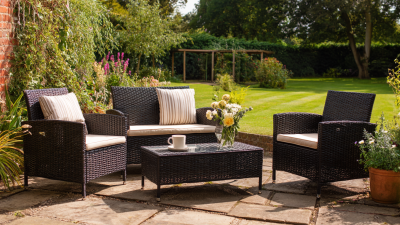
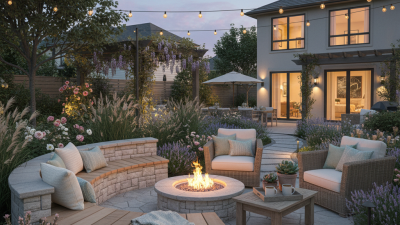
As we look ahead to 2026, the landscape of garden furniture in China is rapidly evolving. Upcoming trends reflect a blend of aesthetics, functionality, and sustainability. The desire for stylish outdoor spaces has never been stronger. Homeowners seek to create personal havens where they can unwind and connect with nature.
Garden furniture is not just about utility; it's about enhancing the lifestyle. Materials like rattan and recycled plastics are gaining traction. These choices echo a commitment to environmental sustainability. However, this shift prompts questions about durability and maintenance. Consumers often wonder if these materials can withstand the test of time.
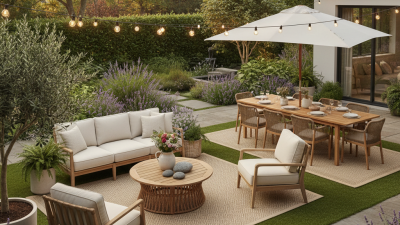
Moreover, innovation in design is transforming expectations. Furniture that seamlessly blends into gardens while providing comfort is in high demand. Yet, navigating the myriad of options can be overwhelming. Understanding the balance between style and practicality remains a challenge. As trends unfold, they will shape the future of garden furniture, fostering an outdoor lifestyle that is both chic and sustainable.
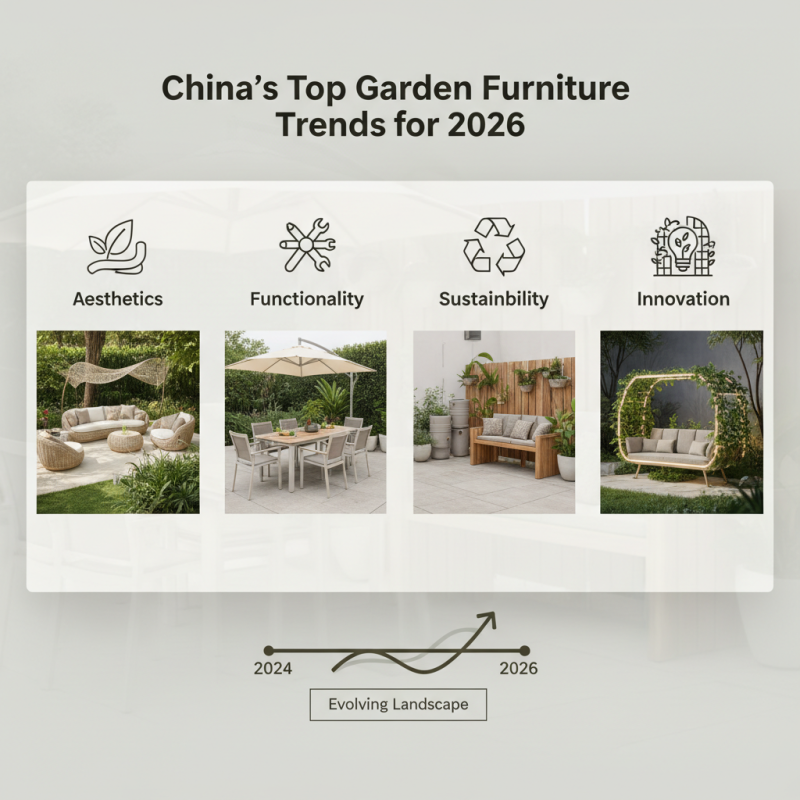
China's Increasing Demand for Eco-Friendly Garden Furniture in 2026
China's garden furniture market is witnessing a significant shift towards
eco-friendly options in 2026. Recent reports indicate that approximately
70% of consumers prefer sustainable materials for their outdoor furniture. This
growing trend is influenced by a heightened awareness of environmental issues and a rising demand for products that
minimize ecological impact.
Recycled materials, such as reclaimed wood and recycled plastics, are
increasingly popular. A study by the China Furniture Association reported a 40%
increase in the production of eco-friendly garden furniture in the past year. Consumers are not just seeking beauty but
also durability and sustainability. They want outdoor spaces that resonate with nature and align with their values.
However, the industry faces challenges. Sourcing sustainable materials can be difficult and expensive. Smaller
manufacturers may struggle to meet eco-friendly standards due to higher costs. As demand rises, it becomes crucial for
the industry to find innovative solutions to these obstacles.
Building a sustainable future for garden furniture requires constant reflection and improvement.
Key Materials Shaping China's Garden Furniture Industry by 2026
As China’s garden furniture industry evolves, specific materials will play a crucial role by 2026. The rise in consumer interest towards sustainable products has shifted focus to eco-friendly materials. According to a report by Market Research Future, the demand for bamboo and recycled plastics is expected to grow substantially. Bamboo, in particular, is favored for its lightweight properties and rapid growth rate, making it an appealing choice for environmentally-conscious buyers.
Metal is another key material shaping this landscape. Aluminum continues to be popular due to its resistance to corrosion and ease of maintenance. A report by Technavio highlights that the aluminum garden furniture segment is projected to witness a growth rate of over 10% annually through 2026. However, the challenge remains in balancing aesthetics with durability. Consumers often struggle with perceptions of metallic designs as being cold or uninviting.
Lastly, textiles are critical in enhancing comfort and style. Outdoor fabrics that resist fading and moisture are crucial for longevity. The market for these textiles is expected to grow significantly, with a focus on innovation. However, achieving a perfect blend of comfort and practicality remains an ongoing challenge in the industry. Each material brings its own set of benefits and drawbacks, prompting manufacturers to rethink approaches to design and functionality.
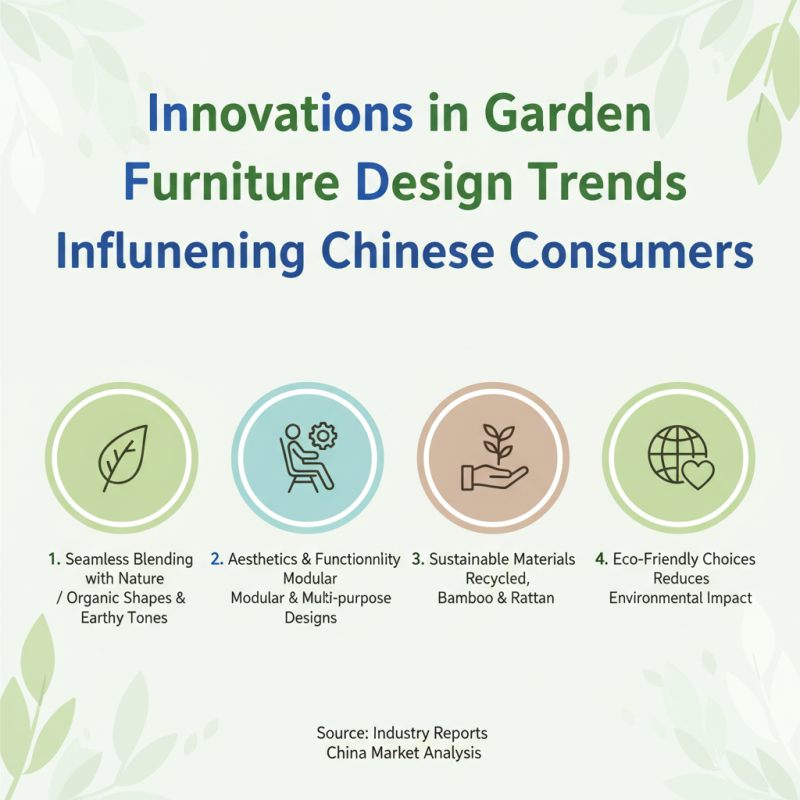
Innovations in Garden Furniture Design Trends Influencing Chinese Consumers
As garden spaces gain prominence, innovative designs in garden furniture are emerging in China. Many consumers now prioritize aesthetics and functionality. Outdoor pieces that blend seamlessly with nature attract significant attention. Sustainable materials are increasingly popular. Eco-friendly choices resonate with environmentally conscious buyers.
Unique shapes and versatile designs are also becoming key trends. Consumers like modular furniture that adapts to different spaces. Lightweight materials allow easy rearrangement for gatherings or quiet moments. However, some find high prices a barrier, leaving them undecided.
Color palettes are evolving too. Bold hues contrast with greenery, creating inviting environments. Yet, some question how these colors will weather over time. Despite these concerns, the focus remains on personalization. Customized furniture will likely drive future trends in the Chinese market, reflecting individual lifestyles and preferences.
Market Growth Projections for China’s Garden Furniture Sector in 2026
The garden furniture sector in China is poised for significant growth by 2026. Current trends indicate a rise in demand for eco-friendly materials. Consumers seek products that align with sustainability values. This shift creates opportunities for manufacturers focusing on renewable resources.
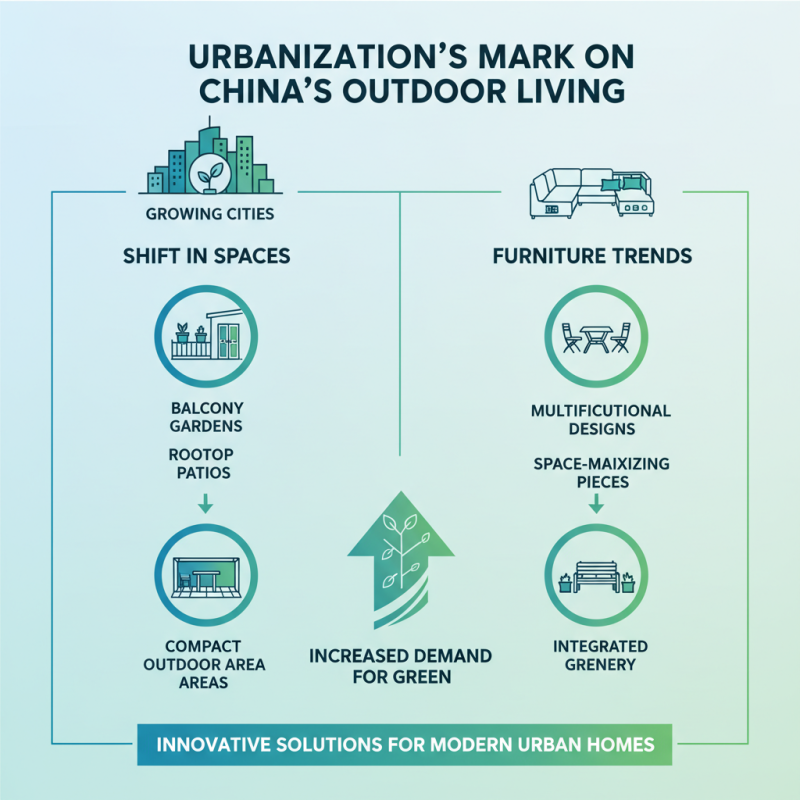
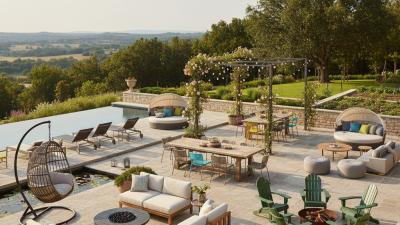
Moreover, outdoor living spaces are becoming increasingly important to urban dwellers. More people are investing in their gardens and balconies. This trend enhances the market potential for stylish and functional garden furniture. Brands are exploring innovative designs that cater to aesthetics and utility. Many products blend comfort and style seamlessly.
However, challenges remain. The supply chain can experience disruptions, affecting delivery times. Businesses must navigate fluctuating material costs. This unpredictability requires careful planning and adaptability. Companies with a strong focus on quality assurance and customer service are likely to thrive during this period. Emphasizing local production could mitigate some risks.
China Top Garden Furniture Trends for 2026
| Trend |
Market Growth (%) |
Consumer Preference |
Material Popularity |
| Sustainable Materials |
18% |
High Demand |
Wood and Biodegradable Materials |
| Smart Furniture |
25% |
Growing Interest |
Metal and Plastic Composites |
| Multi-functional Design |
20% |
High Demand |
Aluminium and Synthetic Fabrics |
| Minimalist Aesthetics |
15% |
Consistent Popularity |
Wood and Glass |
| Outdoor Living Spaces |
22% |
Increasing Trend |
High-Density Polyethylene (HDPE) |