How to Choose the Best Garden Dining Furniture for Your Space?
Choosing the right Garden Dining Furniture can transform your outdoor space into a delightful retreat. It goes beyond mere aesthetics; it combines comfort, style, and durability. Your selection reflects personal taste and fits the unique dimensions of your garden.
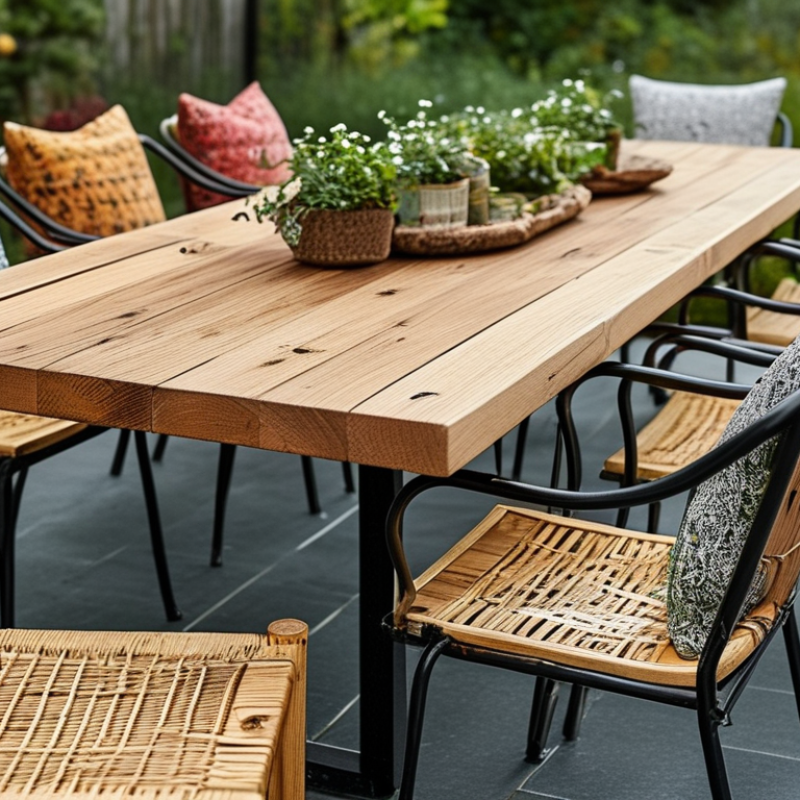
Consider the materials and styles available. Wooden tables bring warmth, while metal frames offer modern sleekness. Cushions add comfort but require care. Remember, functionality matters, too. Ask yourself how often you'll use this furniture. Will it withstand weather changes? These questions guide your decision.
It's easy to feel overwhelmed by choices. Many people rush into buying without considering all factors. Reflect on your lifestyle and the intended use. This is crucial. The best Garden Dining Furniture should meet your needs while enhancing your outdoor experience.
Understanding Your Space: Assessing Garden Dimensions and Layout
Assessing your garden's dimensions and layout is crucial when choosing dining furniture. Take accurate measurements of your space. Consider the size of your garden, the layout, and any existing features like trees or pathways. A small garden may only allow for a compact table and chairs. Meanwhile, a larger area can accommodate more elaborate sets.
Visualize your furniture arrangement before purchasing. Sketch a rough layout to see how different pieces fit. This will help you avoid clutter. It’s easy to fall in love with a large table, but that could overwhelm a small area. Ensure you leave enough space for movement. You'll need room to walk around your dining set comfortably.
Remember the look you want to achieve. Your furniture should complement the garden's style. A modern design can clash with a rustic setting. This mismatch can lead to feelings of dissatisfaction. Don’t rush the decision. Sometimes, living with an empty space can spark creative ideas for what will work best.
Choosing Materials: Durable Options for Outdoor Dining Furniture
Choosing the right materials for outdoor dining furniture is crucial. Durability is a key factor in this decision. According to a 2021 report by the Outdoor Furniture Association, weather-resistant materials have become a significant consideration for buyers. Options like aluminum, teak, and steel are popular due to their longevity and ability to withstand various weather conditions.
Aluminum is lightweight and resistant to rust, making it a great choice for humid climates. Teak wood, known for its natural oils, also stands up well to moisture and UV exposure. It requires regular maintenance, however, to keep its rich color. Steel can be a sturdy option but may need additional coatings to prevent corrosion over time.
While many consumers prioritize aesthetics, selecting durable materials is essential. Some might overlook the importance of choosing weather-resistant fabrics for cushions. Sun exposure can fade colors quickly, leading to early replacements. Consumers should weigh both style and practicality when investing in outdoor dining spaces.
Durability of Outdoor Dining Furniture Materials
Style and Aesthetics: Matching Furniture with Your Garden Theme
Choosing garden dining furniture is an art. Style and aesthetics play a crucial role in creating a harmonious outdoor space. The furniture should resonate with your garden theme, whether it’s modern, rustic, or eclectic. For a contemporary look, sleek lines and minimalist designs work wonders. In contrast, ornate details and natural materials enhance a rustic garden.
Tips: Consider color palettes when selecting furniture. Earthy tones often blend beautifully with greenery. Bright colors can bring vibrancy but may overpower the natural surroundings. Balance is essential to achieve a cohesive look.
Sometimes, furniture can clash with your garden theme. A mismatched table and chairs can disrupt the flow. Take time to visualize how each piece fits into the overall design. Don’t hesitate to mix materials. Metal and wood can create stunning contrasts.
Remember to prioritize comfort. A beautifully styled set that lacks comfort will often go unused. Inviting textures and soft cushions can make dining outdoors a joyful experience. Your garden should feel like an extension of your home, inviting and relaxing. Evaluate each piece carefully, and always trust your instincts.
Comfort and Ergonomics: Selecting Comfortable Seating for Dining
When selecting comfortable seating for your garden dining area, consider both comfort and ergonomics. Cushioned chairs often provide better support for long meals. Look for materials that are soft but durable. This ensures your furniture can withstand the elements while remaining inviting.
Tip: Test the seating before buying. Spend a few minutes sitting in different styles. Pay attention to how the chairs feel. A good fit can make a significant difference during long gatherings.
Another important aspect is the height of the seating. Dining chairs should align with your table height for optimal comfort. Too low or too high can lead to discomfort. A seated position should not strain your back or legs.
Tip: Measure your table height and compare it with chair specifications. A slight change in height can impact overall dining experience. Adjustments can sometimes mean swapping out chairs. Prioritize seating that encourages relaxation and conversation.
How to Choose the Best Garden Dining Furniture for Your Space?
| Furniture Type |
Material |
Comfort Level (1-5) |
Ergonomic Features |
Price Range (USD) |
| Dining Chair |
Teak Wood |
4 |
High back support |
200 - 400 |
| Dining Table |
Aluminum |
3 |
Rounded edges |
150 - 300 |
| Bench |
Acacia Wood |
5 |
Seat cushioning |
250 - 500 |
| Lounge Chair |
Wicker |
4 |
Reclining feature |
300 - 600 |
| Bar Stools |
Metal |
3 |
Footrest included |
100 - 250 |
Maintenance Considerations: Ensuring Longevity of Garden Dining Furniture
When investing in garden dining furniture, maintenance is key for longevity. Regular upkeep can enhance durability, ensuring that your outdoor space remains inviting for years. Sun, rain, and dirt can deteriorate materials, so proactive measures are essential.
Tips for cleaning your furniture include using mild soap and water. Avoid harsh chemicals, as they can damage finishes. Wipe surfaces frequently to prevent build-up. For wooden pieces, consider applying a protective sealant annually. This helps resist moisture and fading.
Another consideration is storage. During harsh weather, storing furniture indoors is wise. If space is limited, use protective covers designed for outdoor furniture. They can shield surfaces from dust and harsh elements. Lastly, inspecting for wear regularly allows you to catch issues early. Maintaining your garden dining furniture thoughtfully leads to a more enjoyable experience outdoors.