How to Choose the Best Garden Furniture Set for Your Home?
Choosing the right Garden Furniture Set can transform your outdoor space. A well-selected set enhances comfort and style. It also reflects your personal taste and lifestyle.
When shopping for a Garden Furniture Set, consider materials carefully. Metal, wood, and wicker offer different benefits. Each material has unique upkeep needs and durability expectations. Think about your climate and maintenance willingness.
Remember, there's no perfect choice for everyone. What works for one home may not suit another. This choice demands reflection on your outdoor habits and aesthetic preferences. Personal needs are essential in guiding your selection, ensuring satisfaction for years to come.
Understanding Your Space and Needs for Garden Furniture
Understanding your space and needs is crucial when selecting a garden furniture set. First, assess the size of your garden or patio. Measure the area to avoid overcrowding. A spacious garden may accommodate larger furniture, while a compact space requires smaller, more versatile pieces. Sometimes, it’s easy to visualize what you want but not practical for the area you have.
Consider how you plan to use the furniture. Will it be for family gatherings, outdoor meals, or simply relaxing? These needs will determine the type of seating and table arrangement required. A dining set may be ideal for hosting dinners, while lounge chairs work well for leisurely afternoons. Reflecting on how often you'll use your garden can guide your investment. Quality may matter more than quantity, especially if you want lasting enjoyment.
Lastly, think about the materials. Different materials offer varied durability and comfort. Wooden sets can be warm and classic, while metal might provide a modern look. However, wood can require maintenance, and metal can get hot in the sun. It's worth pondering your preferences and adjusting your choices accordingly. Balancing style and functionality is key in creating a garden that feels just right for you.
How to Choose the Best Garden Furniture Set for Your Home?
| Furniture Type |
Material |
Capacity |
Comfort Level |
Price Range |
| Dining Set |
Metal & Glass |
6-8 people |
High |
$500 - $1200 |
| Lounge Set |
Rattan |
4-6 people |
Very High |
$700 - $1500 |
| Patio Chairs |
Plastic |
1-2 people |
Moderate |
$50 - $150 |
| Coffee Table |
Wood |
N/A |
High |
$200 - $500 |
| Swing Chair |
Metal Frame & Fabric |
1-2 people |
Very High |
$150 - $400 |
Evaluating Different Materials for Durability and Style
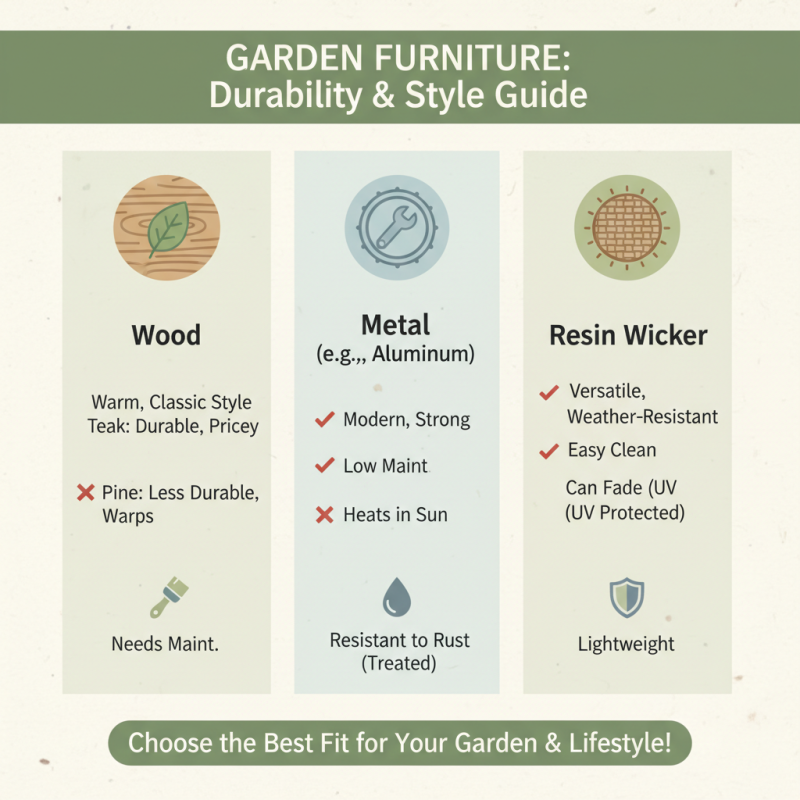
When choosing garden furniture, material selection is crucial. Different materials offer varied levels of durability and style. For instance, wood brings warmth and a classic aesthetic. However, it requires regular maintenance to prevent weather damage. Softwoods like pine may warp or crack over time. Hardwoods, like teak, are more resilient but come with a higher price tag.
Metal is another popular choice. Aluminum is lightweight and resistant to rust. It can endure harsh weather conditions without significant wear. However, it may feel cold and uncomfortable, especially in cooler climates. Wrought iron offers a more ornate look but can be heavy and may require protective treatments to prevent rusting.
Plastic is often seen as an inexpensive option. It is lightweight and easy to clean, making it suitable for casual settings. Yet, it may lack the aesthetic appeal of natural materials. Additionally, some plastics can fade or become brittle in direct sunlight. Each material has its pros and cons, and your choice should reflect your style and practical needs. Consider how much maintenance you’re willing to commit to while evaluating your options.
Choosing the Right Style to Complement Your Home Aesthetic
Choosing the right style of garden furniture can enhance your outdoor space significantly. According to a report from the American Society of Landscape Architects, 70% of homeowners find outdoor aesthetics important. Matching your furniture style with your home’s architecture is crucial. For modern homes, sleek, minimalistic designs often work best. Traditional homes might benefit from ornate wooden pieces.
Tip: Consider the materials and colors that blend with your exterior. If your house features brick, opt for earthy tones. If your home is painted, choose colors that mirror the shades used. This creates a harmonious flow between your indoor and outdoor spaces.
Gardening and outdoor design trends show that comfort should not be sacrificed for style. Research indicates that 69% of homeowners use their outdoor spaces for relaxation. This means choosing pieces that not only look good but also invite you to spend time outside. Fabrics should be durable yet stylish. Look for water-resistant options, especially if your area receives much rain.
Creating the right outdoor space requires reflection. Sometimes, furniture that looks great doesn’t suit your lifestyle. It's essential to evaluate your needs before making a profit-driven choice. Consider what activities you and your family will enjoy most in your garden.
Comparative Styles of Garden Furniture
This chart represents the popularity of various styles of garden furniture among homeowners. Wooden furniture is the most favored, with a significant percentage of preferences, followed by metal and plastic options.
Considering Comfort and Functionality in Garden Furniture Sets
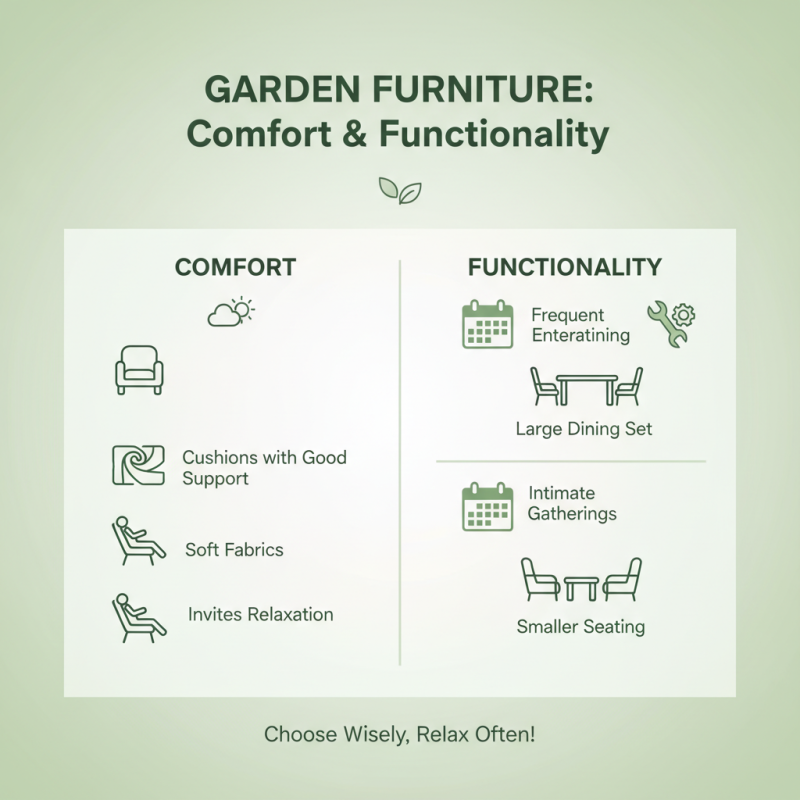
When choosing garden furniture, comfort and functionality play crucial roles. A cozy garden set invites relaxation. Look for cushions with good support. Soft fabrics can enhance the overall experience. Consider how often you will use the furniture. If you entertain frequently, opt for a larger dining set. Smaller seating arrangements suit more intimate gatherings.
Functionality is equally important. Think about storage options. Some furniture comes with built-in storage, which helps keep your outdoor space tidy. Easy-to-move pieces allow flexibility throughout the season. Consider weather resistance to ensure durability. Metal and treated wood often withstand elements better.
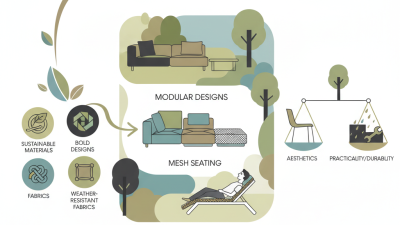
Finding the right balance can be challenging. A beautiful design may lack comfort. Conversely, a comfy chair might not fit your space. It's essential to weigh aesthetics against practicality. Trial and error can lead to the perfect setup. Pay attention to how different materials feel and function. Your garden should be a place of joy and relaxation, reflecting your personal style.
Budgeting for Your Garden Furniture Investment and Maintenance
When budgeting for garden furniture, consider both initial investment and ongoing maintenance costs. Data from the National Gardening Association indicates that homeowners spend an average of $1,000 on outdoor living spaces. This figure can fluctuate based on the quality and material of the furniture chosen.
Proper budgeting also means accounting for maintenance. For example, wood furniture often requires regular sealing and staining, which can add up to $100 annually. On the other hand, metal or resin pieces may need less frequent care. Make sure to factor in these costs when making your selection.
Tip: Choose materials that align with your climate. For humid areas, opt for resistant materials like teak or aluminum. Tip: Consider purchasing a warranty or insurance for more expensive sets. This could save you money long-term, though some may find it an unnecessary expense. You might realize later that saving upfront can lead to costly replacements.