How to Choose the Best Metal Garden Furniture for Your Space?
Choosing the right Metal Garden Furniture can transform your outdoor space. According to landscaping expert Sarah Thompson, "The right furniture can elevate a garden into a living masterpiece." Her insight highlights the importance of both function and design when selecting metal pieces.
Metal Garden Furniture is not just about aesthetics. It offers durability and weather resistance, making it a practical choice for various climates. The allure of these pieces often lies in their sleek lines and modern finishes. However, one must consider style, color, and functionality when making this choice. Reflect on your garden's atmosphere – will the furniture complement or clash with your plants?
Sometimes, even seasoned buyers overlook essential details. The texture of the metal, for example, can significantly affect comfort and visual appeal. Additionally, the right placement matters. A well-placed piece can enhance views and usability. Yet, it's easy to get lost in trends, forgetting personal taste. Ultimately, choosing Metal Garden Furniture should be a balance between beauty and personal connection to the space.
Factors to Consider When Choosing Metal Garden Furniture
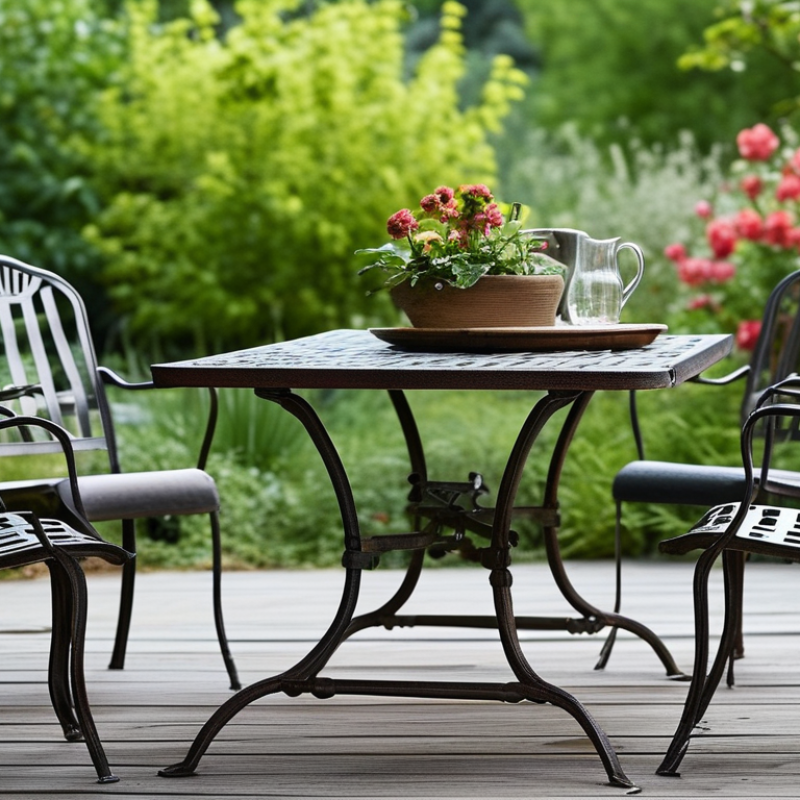
When choosing metal garden furniture, consider several crucial factors. Durability is paramount. According to industry reports, aluminum and wrought iron are among the most resilient options. Aluminum tends to resist rust, while wrought iron offers a robust and timeless appeal. However, wrought iron may require more maintenance over time to prevent corrosion.
Weight is another significant element. Heavy furniture can withstand wind and other weather elements better. In contrast, lightweight options are easier to rearrange but might easily get blown away during storms. Exploring finishes and coatings is essential as well. High-quality finishes enhance the furniture's longevity and appearance, contributing to less frequent replacements.
Lastly, think about style and comfort. Metal can be sleek and modern or ornate and traditional. It’s vital to select designs that complement your personal space. Research shows that people are increasingly favoring multi-functional pieces that serve various purposes. Balancing aesthetics with practicality can be challenging, but it can yield a rewarding outdoor experience.
Types of Metal Used in Garden Furniture and Their Benefits
When choosing metal garden furniture, it’s crucial to understand the types of metals used and their unique benefits.
Aluminum is lightweight and resistant to rust. This makes it ideal for outdoor settings.
According to industry data, about 30% of homeowners prefer aluminum for its durability and ease of maintenance.
Steel, on the other hand, provides robustness. While heavier, it can withstand harsh weather conditions with proper care.
However, it may require regular treatment to prevent rust.
Another popular choice is wrought iron. This material offers a classic look and is known for its strength.
Research shows that wrought iron furniture can last over 20 years with correct maintenance.
However, it is more susceptible to rust without proper coating.
Consider your local climate and intended use when selecting the right metal.
Tips:
Regularly check for signs of rust, especially in steel and wrought iron furniture.
Using a protective cover can extend the lifespan of your furniture.
Always inspect the joints and fittings for stability.
It's worth noting that varying designs and styles can impact maintenance requirements.
Simple yet elegant designs often require less upkeep than intricate ones.
Assessing the Size and Layout of Your Outdoor Space
When assessing the size and layout of your outdoor space, start by measuring the area. Knowing the dimensions will help you select furniture that fits comfortably. Aim for enough room to move around. Leave at least three feet between pieces for easy navigation.
Consider the surrounding elements. Features like plants, walkways, or any structures impact your layout. Don't let these details overwhelm you. Instead, embrace them as part of your design. A small garden may benefit from sleek, multi-functional furniture, while a larger patio can accommodate more substantial pieces.
Visualize how you want to use the space. Is it for entertaining or quiet relaxation? Plan for different arrangements based on your activities. Test your ideas with outdoor chalk or string to see how they work in practice. This experimentation can reveal surprising insights. Creating the perfect setup may take time, but attentive planning leads to a rewarding outdoor experience.
Choosing the Right Style to Complement Your Garden Aesthetic
Choosing the right style of metal garden furniture is crucial for enhancing your outdoor space. Consider the overall aesthetic of your garden. If your garden features traditional elements, look for ornate metal designs. Curved lines and intricate patterns often align well with classic styles. For a modern garden, sleek designs with clean lines work better. Always think about how the furniture complements your plants and landscaping.
Material choices also play a role in style. Some metal furniture has a rustic finish. This can appeal to a vintage garden but may not suit a minimalist setting. Color is another important factor. Bright, bold colors can energize your space, while muted tones create a calm atmosphere. Look at the existing color palette in your garden to match or contrast effectively.
Remember that comfort matters too. While a table might look stylish, it should also be practical. Poorly designed pieces can detract from your garden's beauty. Don't rush the decision. Take time to envision how different styles would fit. This reflection can lead to a more cohesive and enjoyable outdoor space. Choose wisely for a garden that speaks to your style.
Maintenance Tips for Long-lasting Metal Garden Furniture
Metal garden furniture can greatly enhance your outdoor space. However, to ensure its longevity, proper maintenance is crucial. A study by the Garden Furniture Association revealed that well-maintained metal furnishings can last up to 15 years longer than those neglected. Regular checks can prevent rust and deterioration.
Cleaning is essential. Use mild soap and water to wipe down surfaces every couple of months. This simple act safeguards against grime buildup. Especially in coastal areas, salt can corrode metal quickly. Consider applying a protective coating every couple of years. This prevents moisture from seeping in and causing damage.
Storage practices also matter. If you can, store furniture indoors during harsh winters. Exposure to extreme conditions can lead to accelerated wear. For outdoor storage, investing in a quality cover will shield your furniture from rain and UV rays. However, remember that even covered pieces can benefit from periodic inspections. Look for signs of wear or rust. This proactive approach can save money and extend the life of your furniture significantly.
Garden Furniture Material Durability Comparison