How to Choose the Best Metal Outdoor Furniture for Your Patio or Garden
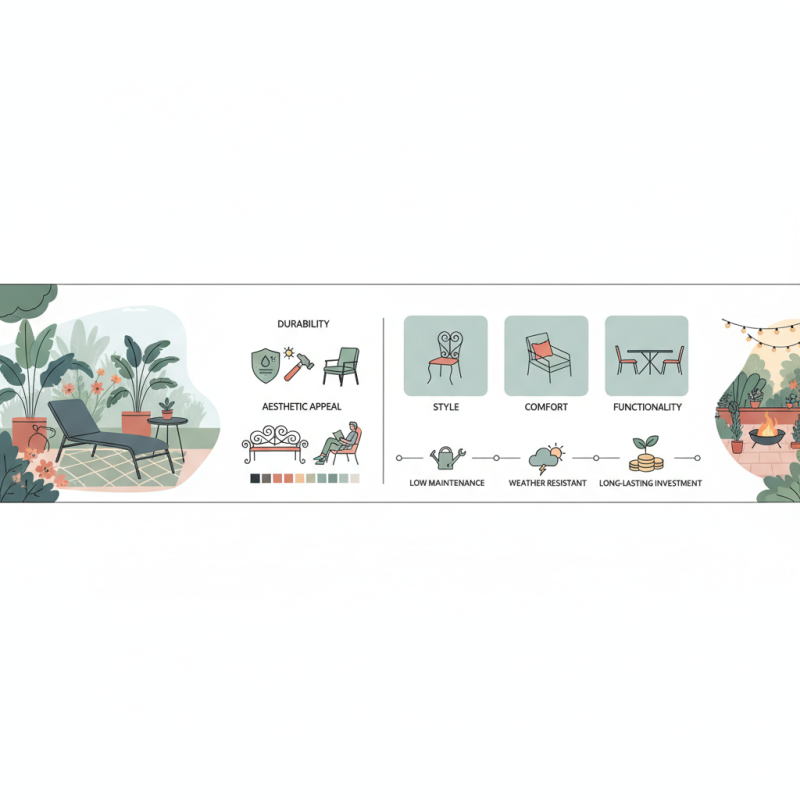
When it comes to transforming your patio or garden into a stylish and inviting outdoor retreat, the choice of furniture plays a pivotal role. Among the myriad of options available, Metal Outdoor Furniture stands out for its durability, aesthetic appeal, and practical benefits. Whether you are looking for a modern minimalist look or something more traditional, there is a wide range of designs, finishes, and colors to suit your personal taste and outdoor space.
Metal outdoor furniture not only complements the natural beauty of your surroundings but also withstands the elements better than many other materials. It provides a solid investment as it requires minimal maintenance while offering resilience against wear and tear. As you consider the various options for your outdoor furnishings, it’s essential to evaluate factors such as style, comfort, and functionality to ensure that you choose the best metal outdoor furniture that fits your lifestyle and enhances your outdoor living experience. With careful consideration, you can create a beautiful and functional space that encourages relaxation and enjoyment for years to come.
Understanding Different Types of Metal Outdoor Furniture Materials
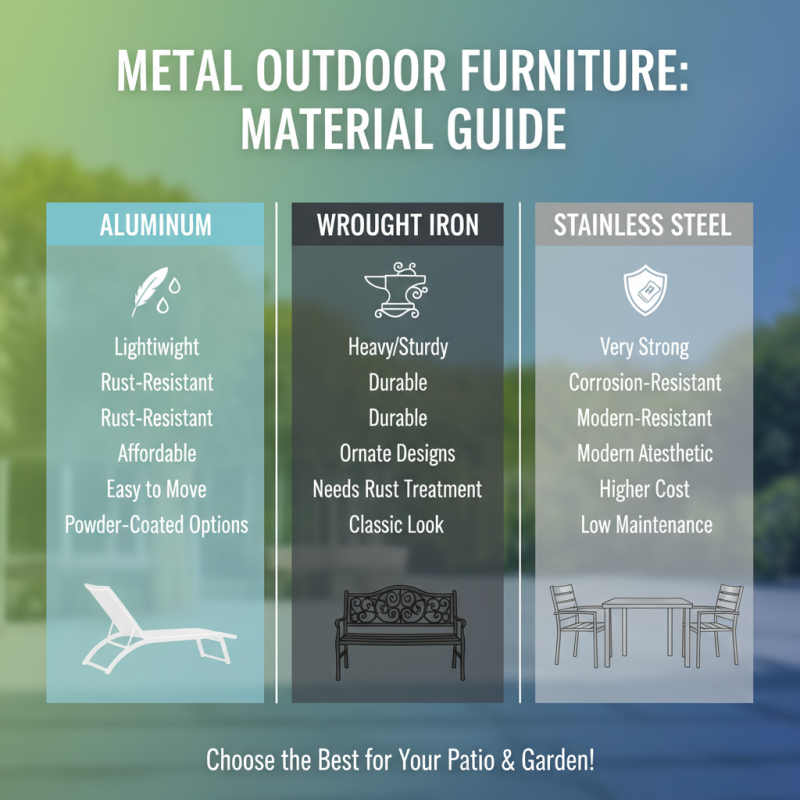
When choosing metal outdoor furniture for your patio or garden, understanding the different types of materials available is crucial to make an informed decision. The most common metals used in outdoor furniture include aluminum, wrought iron, and stainless steel. Aluminum is lightweight, rust-resistant, and typically more affordable, making it an excellent choice for those who frequently rearrange their outdoor space. It is also often powder-coated to enhance durability and color options, further increasing its appeal.
Wrought iron offers a more classic, traditional look that is incredibly sturdy and durable. While it is heavier than aluminum, making it less mobile, its robust nature makes it ideal for windy areas. However, wrought iron requires regular maintenance to prevent rusting, especially in humid environments. On the other hand, stainless steel provides a sleek, modern aesthetic combined with rust resistance, making it a popular choice for contemporary outdoor settings. It’s perfect for those who appreciate a stylish, low-maintenance option but may be pricier than other materials. Understanding the benefits and drawbacks of each type will help you select the most suitable metal outdoor furniture for your needs.
Evaluating Durability and Weather Resistance in Metal Furniture
When selecting metal outdoor furniture for your patio or garden, evaluating durability and weather resistance is of paramount importance. According to a report by the American Society of Landscape Architects, nearly 35% of outdoor furniture purchases are made based on durability, underscoring its importance to consumers. Metal furniture, particularly those made from aluminum and galvanized steel, are often preferred for their ability to withstand varying weather conditions. These materials resist rust and corrosion, providing longevity even in harsh climates. A study conducted by the Outdoor Furniture Manufacturers Association indicates that aluminum furniture can last up to 20 years with proper care, making it a wise investment for outdoor living spaces.
In addition to selecting the right material, it's crucial to consider the finish applied to the furniture. Powder coating, a popular finish for metal outdoor furniture, enhances both aesthetic appeal and weather resistance. Research shows that powder-coated furniture can withstand extreme UV exposure for over 1,000 hours without fading, making it suitable for sun-soaked patios. Furthermore, high-quality finishes provide an additional layer of protection against moisture, helping to prevent rust and mildew. By understanding these factors, consumers can make informed decisions that enhance their outdoor environment while ensuring their furniture remains vibrant and functional for years to come.
How to Choose the Best Metal Outdoor Furniture for Your Patio or Garden - Evaluating Durability and Weather Resistance in Metal Furniture
| Furniture Type |
Material |
Durability Rating |
Weather Resistance |
Maintenance Level |
| Dining Set |
Aluminum |
High |
Excellent |
Low |
| Lounge Chair |
Steel |
Moderate |
Good |
Moderate |
| Coffee Table |
Cast Iron |
Very High |
Excellent |
High |
| Bistro Set |
Aluminum |
High |
Excellent |
Low |
| Patio Sofa |
Stainless Steel |
Very High |
Excellent |
Low |
Considerations for Style and Aesthetics in Your Garden Decor
When selecting metal outdoor furniture for your patio or garden, style and aesthetics play a pivotal role in enhancing your outdoor space. Metal furniture offers a sleek and modern appearance that can effortlessly complement various garden themes, from contemporary to rustic. Consider the overall design of your garden: if it boasts vibrant flowers and lush greenery, opting for furniture with neutral or muted tones can create a beautiful contrast that allows the natural elements to shine. Conversely, bold, colorful metal pieces can inject energy into more minimalist settings, making a striking statement.
Additionally, think about the patterns and textures of the metal furniture. Ornate designs, such as intricate scrollwork, can add a touch of elegance and sophistication, particularly in traditional garden settings. Meanwhile, sleek and geometric forms may resonate well with modern aesthetics. Incorporating a mix of styles can also add layers of interest to your outdoor decor. When choosing metal furniture, it’s essential to maintain a cohesive look; ensure that all elements harmonize with each other, allowing for a seamless and inviting environment that reflects your personal taste.
Choosing the Right Size and Layout for Comfort and Functionality
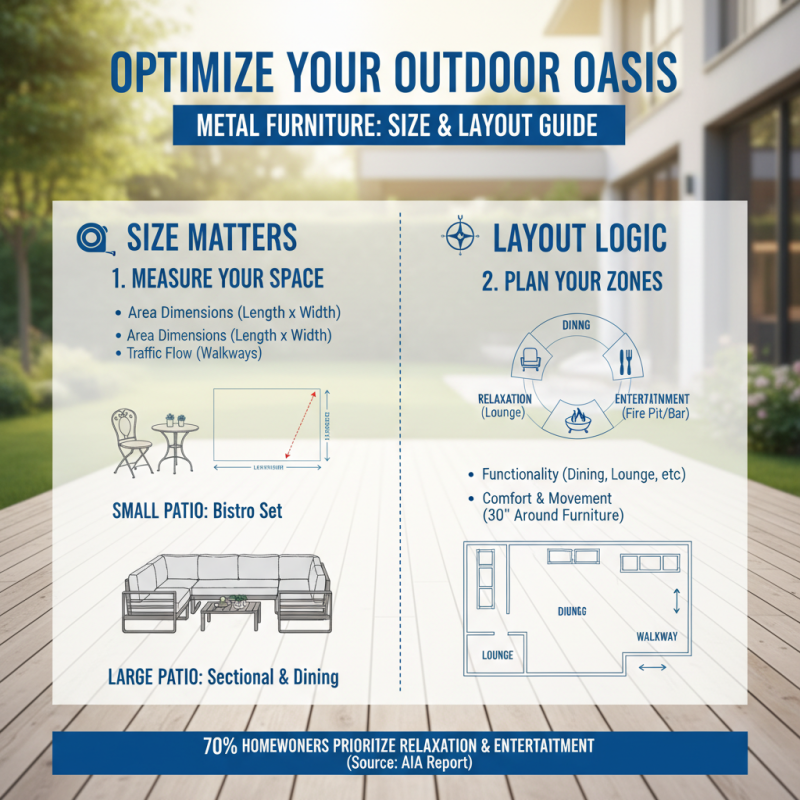
When it comes to selecting the right metal outdoor furniture for your patio or garden, size and layout play critical roles in ensuring both comfort and functionality. According to a report by the American Institute of Architects, outdoor living spaces have increased in popularity, with 70% of homeowners prioritizing designs that offer both relaxation and entertainment. To maximize these spaces, one must consider the overall dimensions of the area and the scale of the furniture selected, ensuring that it complements the environment while allowing for free movement.
Another key aspect is the arrangement of furniture. Research from the National Association of Home Builders indicates that an effective outdoor layout should include conversational zones, where seating is positioned to facilitate engagement. Typically, a distance of 18 to 24 inches between seats is recommended for optimal comfort. Additionally, tables should be placed at least 30 inches away from seating to provide ample space for diners. By taking these factors into account, homeowners can create a stylish and functional outdoor area that enhances their living experience.
Maintenance Tips for Keeping Metal Furniture in Top Condition
Maintaining metal outdoor furniture is essential for ensuring its longevity and aesthetic appeal. Regular cleaning is the first step in this maintenance routine. Use mild soap and water to remove dirt and grime, and ensure to rinse thoroughly. Avoid abrasive cleaners that can scratch the surface, and instead opt for a soft cloth or sponge. It’s recommended to perform this cleaning process at least twice a year, or more often if your furniture is exposed to harsh environmental conditions.
Another crucial aspect of maintenance is addressing rust. If you notice any signs of rust on your metal furniture, act promptly. Sand the affected areas to remove the rust before applying a protective coating. A good rust-resistant primer followed by paint can safeguard your furniture from future rusting. Additionally, consider using covers to protect your furniture during inclement weather and store it in a dry place during the winter months.
Finally, pay attention to the joints and movable parts of your furniture. Lubricate hinges and any mechanisms regularly to ensure smooth operation. This not only prolongs the functionality of your pieces but also enhances their appearance. Keeping your metal furniture clean and well-maintained will ensure that it remains a beautiful and functional part of your outdoor space for years to come.
Metal Outdoor Furniture Maintenance: Key Factors