How to Choose the Best Outdoor Furniture for Your Home?
Selecting the right outdoor furniture can transform your outdoor living space. According to renowned outdoor design expert Jane Smith, "Quality outdoor furniture is an investment in your home's enjoyment." Her insight highlights the importance of careful selection when it comes to outdoor living.
Outdoor furniture comes in various materials, styles, and designs. From cozy lounges to formal dining sets, choices abound. It's crucial to consider how often you'll use this space. Weather resistance is another essential factor. Not all materials perform well under changing weather conditions. Sometimes, going for appearance over durability can lead to disappointment.
While it’s tempting to pick the trendiest items, think about functionality. Your outdoor space should reflect personal taste and lifestyle. Measure your area before making decisions. Consider seating arrangements, and don’t overlook comfort. Often, people regret not prioritizing comfort alongside style when choosing outdoor furniture.
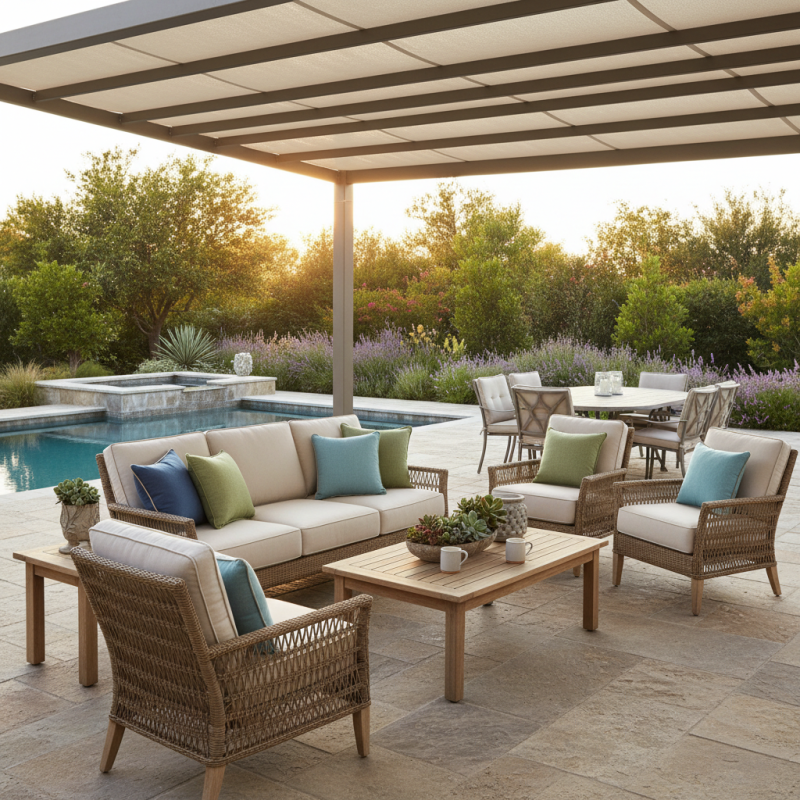
Understanding Material Options for Outdoor Furniture Durability and Comfort
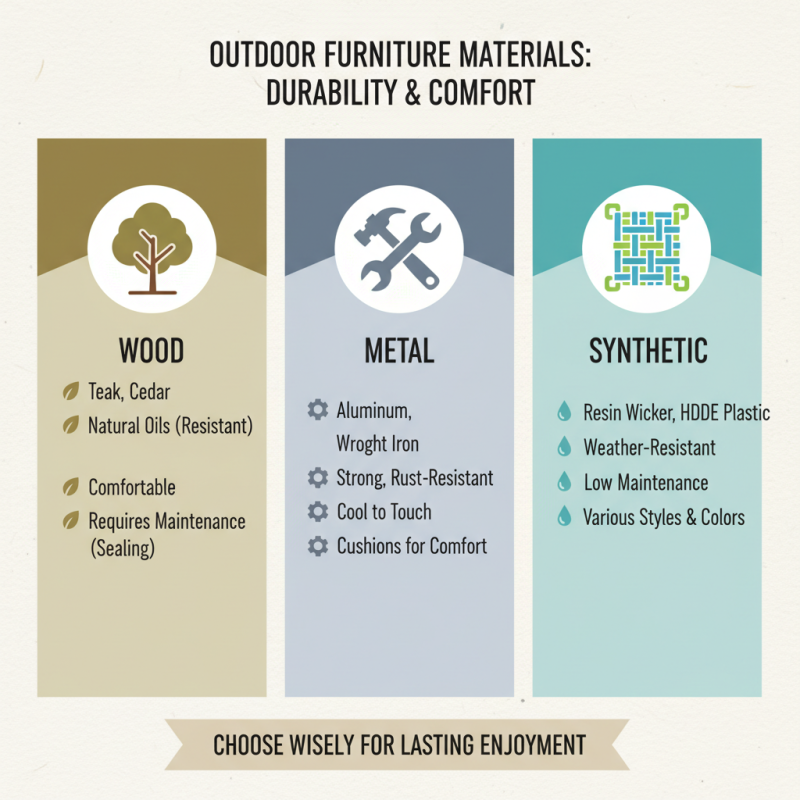
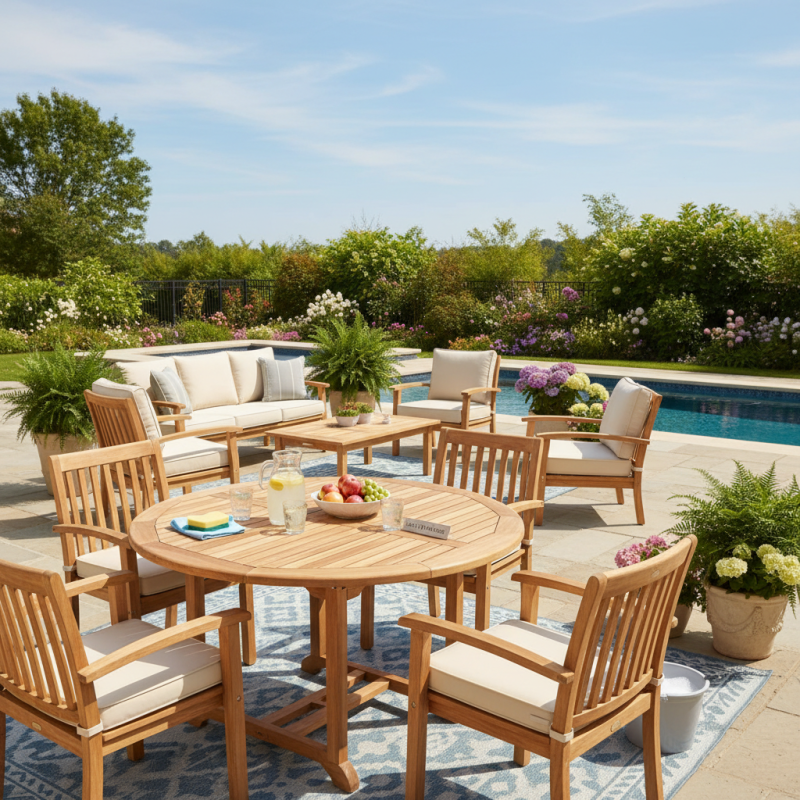
Choosing the right material for outdoor furniture is crucial for durability and comfort. The most popular materials include wood, metal, and synthetic options. Each has unique characteristics that affect both longevity and comfort level. For instance, teak wood boasts natural oils that offer resistance to moisture and insects. However, wood requires regular maintenance to prevent fading and deterioration.
Metal furniture, like aluminum and steel, can withstand various weather conditions. Aluminum is lightweight and rust-resistant, making it a great choice for coastal areas. Despite its strength, metal can become hot in direct sunlight, affecting comfort. On the other hand, steel tends to be heavier, yet it requires rust-proof coatings to maintain its appearance over time.
Tips: Opt for cushions made from UV-resistant fabric to enhance comfort. Consider investing in furniture covers to protect your items from harsh elements. Remember, durability doesn’t come without care. Regular inspections can help identify weaknesses, ensuring your outdoor space remains inviting for years.
Evaluating Design Trends: Classic vs. Contemporary Outdoor Furniture Styles
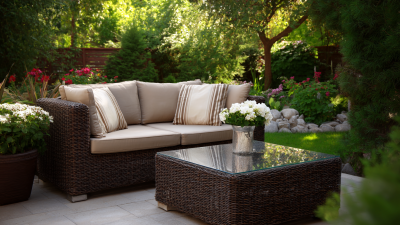
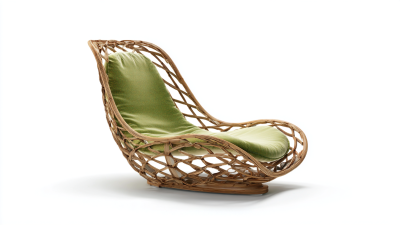
When it comes to outdoor furniture, choosing between classic and contemporary styles can be challenging. Classic outdoor furniture often features timeless designs with ornate details. This style evokes a sense of nostalgia and works well in traditional homes. For example, wicker chairs and wooden benches can bring warmth and charm to a garden. But, finding high-quality materials is crucial. Sometimes, these pieces may not withstand harsh weather, demanding regular maintenance.
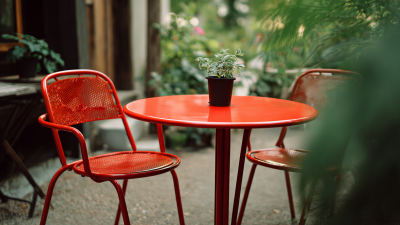
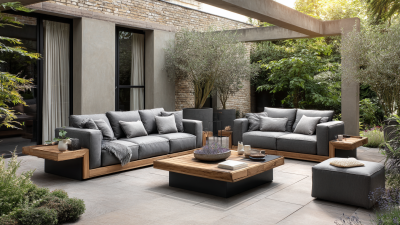
Contemporary outdoor furniture, on the other hand, prioritizes sleek lines and minimalist aesthetics. This design tends to favor materials like metal and glass. It is often more functional and easy to clean, making it suitable for modern lifestyles. However, this style can feel cold if not balanced with cozy landscaping or decorative elements. Adding colorful cushions or plants can soften the look, creating a welcoming space. Reflecting on your preferences and outdoor environment is key. Each style has its merits and potential shortcomings, making careful consideration vital.
Outdoor Furniture Design Trends: Classic vs. Contemporary
Assessing Weather Resistance: How Climate Affects Outdoor Furniture Choice
Choosing outdoor furniture requires careful consideration of weather resistance. Different climates demand different materials. In humid areas, wood furniture can warp or mold. Consider options like aluminum, which withstands moisture.
In sunny regions, UV exposure can quickly fade fabrics and plastics. Opt for materials with UV protection. Powder-coated metals can resist fading and rust. It might seem easy to skip this step, but doing so could lead to early wear.
Windy locations pose another challenge. Lightweight furniture can easily be blown away. Heavier pieces, like stone or thick metal tables, offer stability. Yet, they can be cumbersome to rearrange. Reflect on your environment and the challenges it brings.
Cost Analysis: Balancing Quality and Budget in Outdoor Furniture Selection
When it comes to selecting outdoor furniture, cost is a crucial factor. A recent industry report indicated that the average spending on outdoor furniture ranges from $1,000 to $3,000 per household. This range reflects varying preferences for quality and durability. Furniture made from high-quality materials typically costs more but lasts longer. Consumers must balance immediate costs with potential replacement expenses.
A thoughtful analysis reveals that spending less may lead to frequent replacements. For instance, lower-cost items often wear out within two years. In contrast, investing in premium sets could last over ten years. It's vital to consider longevity in your budget. Additionally, think about maintenance costs. Some materials require regular upkeep, which can add to long-term expenses.
Not every choice is straightforward. Factors like style and comfort play a role too. While a sleek design might be appealing, it might not always be practical. Comfort and user experience should guide your selection process. Each decision reflects not just aesthetics but functionality. Aim to create a space that invites relaxation without overspending. Careful research will help in deciding what matters most in your outdoor setting.
How to Choose the Best Outdoor Furniture for Your Home? - Cost Analysis: Balancing Quality and Budget in Outdoor Furniture Selection
| Type of Furniture |
Material |
Average Cost ($) |
Durability (Years) |
Maintenance Level |
| Dining Set |
Teak Wood |
1200 |
25 |
Low |
| Lounge Chair |
Aluminum |
400 |
15 |
Medium |
| Coffee Table |
Synthetic Rattan |
300 |
10 |
Low |
| Umbrella |
Canvas |
150 |
5 |
High |
| Sectional Sofa |
Wood and Fabric |
1200 |
15 |
High |
Maintenance Tips: Ensuring Longevity of Your Outdoor Furniture Investment
Proper maintenance of outdoor furniture is critical to ensure its longevity. According to a recent industry study, well-cared-for outdoor furniture can last up to 15 years longer than neglected pieces. Regular cleaning is essential. Use mild soap and water to remove dirt and mildew. Avoid harsh chemicals, as they can damage finishes.
Covering your furniture when not in use is another effective strategy. This simple act can protect against UV rays and weather-related wear. Research shows that UV exposure can fade colors by nearly 50% over three years. Regularly check for rust or corrosion, especially on metal furniture. Treat any issues promptly to prevent larger problems.
Storage also plays a crucial role in maintenance. When winter approaches, consider storing your furniture indoors. If indoor space is limited, use breathable covers. These covers can help mitigate moisture buildup. Neglecting these steps may lead to costly replacements or repairs. Investing time in maintenance is as vital as selecting the right furniture.