Tips for Choosing Wooden Garden Furniture That Lasts?
When selecting Wooden Garden Furniture, durability and style should go hand in hand. Many people overlook essential factors that affect longevity. Quality wood, such as teak or cedar, can withstand the elements better than cheaper options. However, choosing the right finish is also crucial. Without proper maintenance, even the best wood can deteriorate.
Consider how you plan to use your furniture. Will it be exposed to harsh weather? Think about covering it or bringing it indoors during storms. Such small details often get ignored, yet they can significantly extend the life of your pieces. It's vital to remember that wooden furniture requires care. Regular treatments can help prevent issues like cracking or fading.
In a world of instant gratification, investing in Wooden Garden Furniture may seem outdated. Yet, the charm of wood can transform any garden into a serene oasis. Take the time to choose wisely. Evaluate your needs and the environmental challenges your furniture will face. It might take longer, but the satisfaction of a beautiful, lasting garden can be worth it.
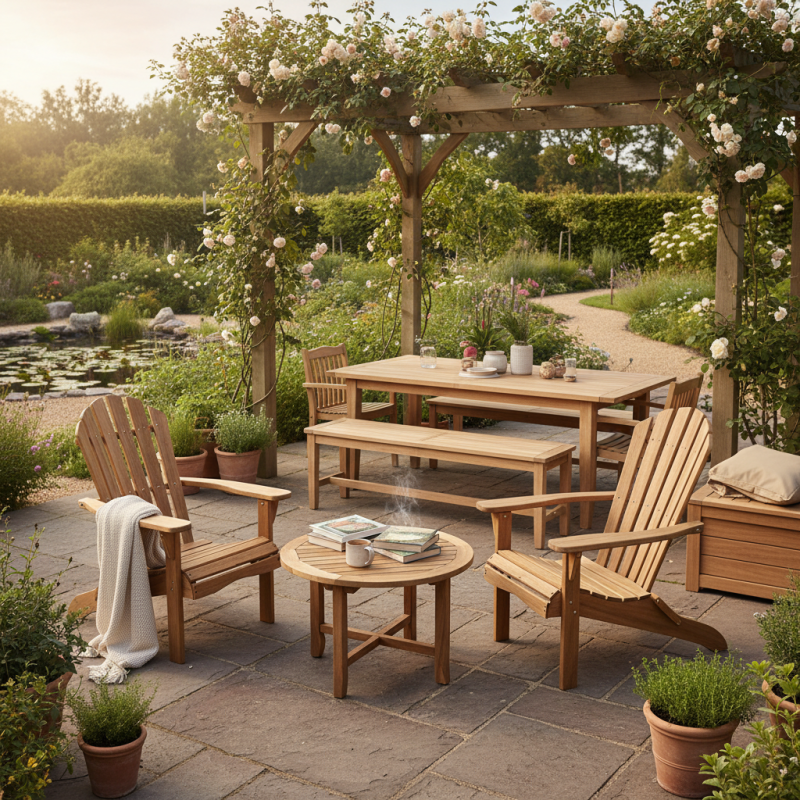
Understanding Different Types of Wood Used in Garden Furniture
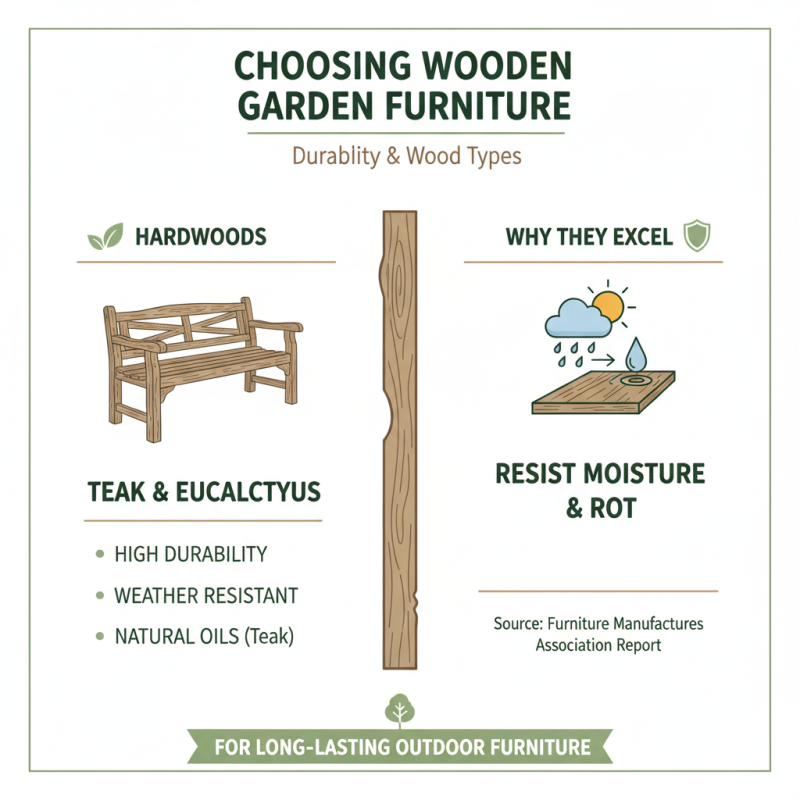
When choosing wooden garden furniture, understanding the types of wood is crucial. Hardwoods like teak and eucalyptus rank high for durability. A report by the Furniture Manufacturers Association indicates that these woods can resist weather elements better than others. Teak, in particular, contains natural oils that prevent water damage.
Softwoods, like pine, are more affordable but less durable. They require treatment for longevity. According to industry interviews, untreated softwood furniture may last only a few years outdoors. This drawback might lead to increased costs over time due to replacements.
Tip: Opt for furniture with a protective finish. This can prolong the life of both hardwood and softwood options. Treat softwoods with sealants annually to improve their lifespan.
Choosing the right wood depends on your climate. In wetter areas, hardwoods are preferable. Conversely, in dry regions, softer woods may suffice with protection. Reflect on your environment and usage before deciding. Each wood type comes with pros and cons.
Evaluating Durability: Weather Resistance and Treatment Options
When choosing wooden garden furniture, durability is key.
Weather resistance significantly impacts the longevity of your furniture.
Research indicates that untreated wood typically lasts around five years outdoors.
However, treated wood can extend this life expectancy to over 20 years. This difference highlights the importance of
proper treatment options.
Rain, sun, and fluctuating temperatures can all damage wooden furniture. A 2021 industry report noted that untreated wood often
warps or cracks when exposed to harsh weather. On the other hand,
hardwoods like teak and mahogany offer natural resistance to moisture.
These types of wood can withstand various climates, making them ideal for long-term use.
Applying sealants or wood stains can further enhance durability. Regular maintenance, such as cleaning and resealing every few years, is essential.
Many people overlook this step, which can lead to premature wear and tear.
Investing time in proper care pays off. With solid knowledge and attention to detail,
you can select furniture that not only enhances your garden but also endures the elements.
Design and Style: Choosing Furniture That Complements Your Garden
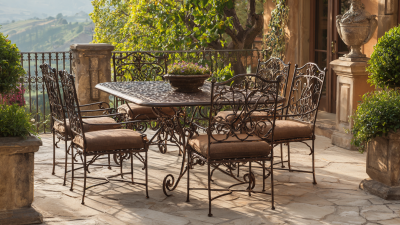
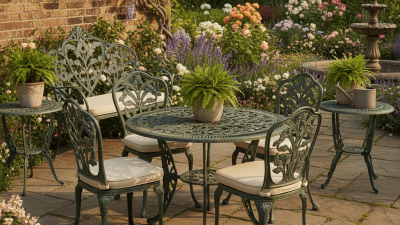
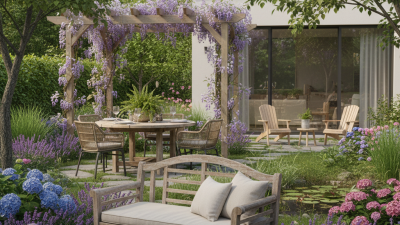
Designing a garden means more than just planting flowers. Choosing the right wooden furniture can enhance the overall look. When selecting pieces, consider the design and style that will harmonize with your garden’s elements. For a rustic vibe, opt for weathered wood with a natural finish. This choice can blend perfectly with blooming flowers and green foliage.
However, not all wooden furniture works well. Some styles might clash visually with your garden’s layout. For instance, sleek, modern designs may not suit a traditional garden. Think about your garden's colors and textures. A bold color might stand out too much against lush greenery. A balanced approach ensures your furniture complements, instead of overwhelming, nature's beauty.
It’s also important to reflect on the functionality of the furniture. Will it be used frequently or remain a decorative piece? If your family gathers often, sturdy benches and tables are ideal. However, ensure that they match the garden’s aesthetic. Disjointed styles can disrupt harmony. Aim for pieces that create a peaceful, inviting atmosphere while remaining practical for your needs.
Maintenance Tips for Keeping Wooden Garden Furniture in Top Shape
Wooden garden furniture adds charm to any outdoor space. To keep it looking great, regular maintenance is essential. Start by cleaning your furniture frequently. A simple mix of mild soap and water can work wonders. Use a soft brush to scrub away dirt and grime. Rinse well with a hose afterward to prevent soap residue.
Weather can be harsh on wood. Sunlight can cause fading, and rain may lead to rot. A protective sealant helps. Reapply it every year to keep moisture at bay. Sanding the surface gently every few years will also help remove any rough spots. It’s an easy task that makes a significant difference.
Pay attention to the joints. Over time, screws or bolts can loosen. Regularly check and tighten them to avoid any wobbling. Remember, even the most durable furniture needs a little love. Don’t ignore small scratches; they can grow. A bit of wood filler can be a quick fix. Embrace the imperfections; they tell a story.
Tips for Choosing Wooden Garden Furniture That Lasts & Maintenance Tips for Keeping Wooden Garden Furniture in Top Shape
| Dimension |
Details |
| Type of Wood |
Teak, Cedar, Eucalyptus |
| Finish Options |
Oil, Varnish, Paint |
| Maintenance Frequency |
Every 6-12 months |
| Cleaning Method |
Mild soap solution and soft brush |
| Protection Against Elements |
Cover or store indoors during harsh weather |
| Signs of Wear |
Cracks, discoloration, rough texture |
| Resealing Recommendations |
Every 1-2 years, depending on climate |
Budget Considerations: Investing in Quality Wooden Furniture
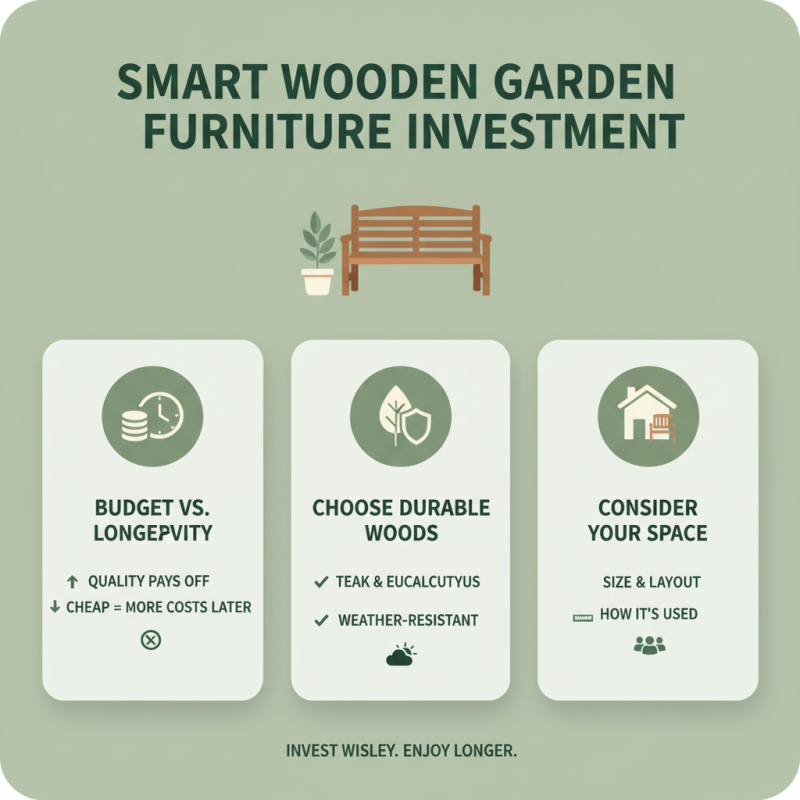
When investing in wooden garden furniture, budget plays a crucial role. High-quality wood may seem expensive, but it pays off in longevity. Cheaper options often warp or rot, leading to more expenses in the long run. Look for durable woods like teak or eucalyptus, known for their resilience against weather conditions. Consider your space and how the furniture will be used.
Investing in quality can sometimes feel like a risk. You might hesitate to spend more on a few pieces but think about their lifespan. Imagine a well-made table lasting a decade or more versus a flimsy one that needs replacement every few years. The initial cost is higher, but the value is clear. Your garden becomes a beautiful space for gatherings.
Reflect on the types of finishes and treatments. They matter greatly in protecting your investment. Some treatments may not last, requiring re-application. Find a balance that suits your maintenance preferences and aesthetic desires. Remember to account for ongoing care in your budget. Quality furniture needs a bit of attention, but it rewards you with lasting beauty.