How to Choose the Best Garden Furniture Set?
Choosing the right Garden Furniture Set has become more important as outdoor spaces become everyday living areas. Grand View Research’s 2024 Outdoor Furniture Market report identifies rising interest in comfortable, durable, and design-focused outdoor products. However, market estimates vary between research firms. That difference deserves attention. It reminds buyers to compare evidence, not marketing claims.
A practical choice begins with the space itself. Measure the patio before browsing attractive sets. Leave enough room to pull out chairs comfortably. Picture wet cushions, strong sunlight, and muddy shoes near the table. Aluminum may suit rainy climates because it resists rust. Teak offers natural durability, but it needs informed maintenance. Woven materials can look refined, although weak frames may fail quickly. Small details matter.
Consumer research also supports this shift toward outdoor comfort. The 2024 Houzz Outdoor Trends Study reports continued homeowner investment in functional outdoor areas, including dining and relaxation zones. That trend does not mean every expensive set performs well. Check frame joints, cushion density, UV resistance, drainage, warranty terms, and replacement-part availability. Look for responsible wood sourcing, such as FSC certification, when timber is used. Relevant product testing should be clear and independently supported where possible. My own caution is simple: showroom appearance can mislead. A beautiful chair may feel unstable after one windy season. The best Garden Furniture Set balances comfort, climate suitability, repairability, safety, and realistic maintenance. Compare carefully. Then choose what your space can genuinely support.
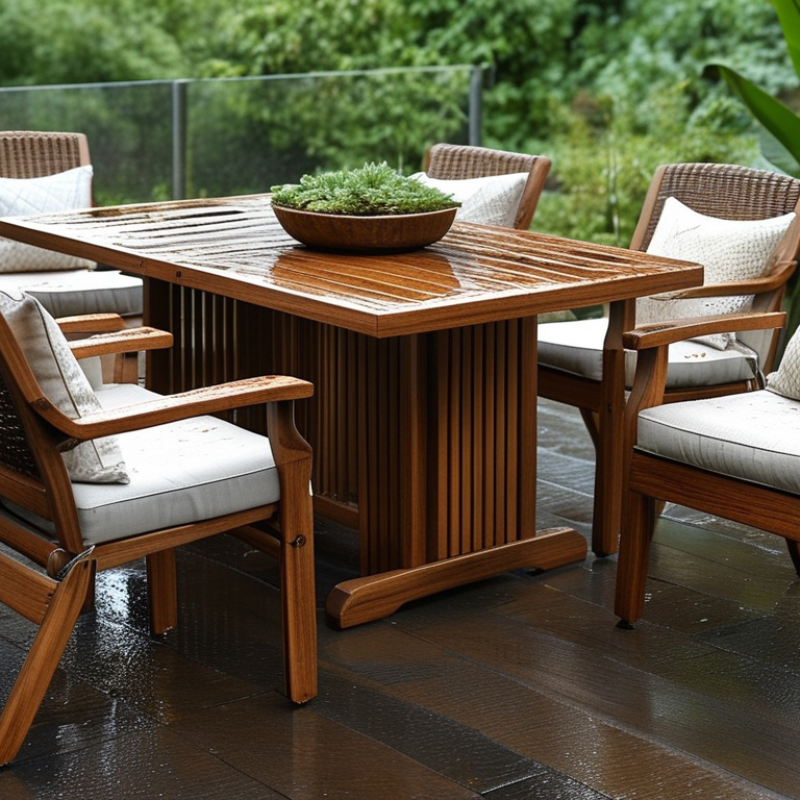
Define Your Garden Furniture Needs and Available Outdoor Space
How to Choose the Best Garden Furniture Set?
Define Your Garden Furniture Needs and Available Outdoor Space
Start with how you actually use the garden. Do you eat outside, read quietly, or host friends? A small bistro table may suit morning coffee, while a family needs wider seating and a stable dining surface.
Measure the area before shopping. Record the length, width, and position of doors, steps, and planting beds. Leave enough space to pull out chairs comfortably. A 90-centimetre walkway usually feels practical. I once ignored this detail and placed a table too close to a gate. It looked attractive, but daily movement became frustrating.
Study the garden’s conditions. Strong afternoon sun can fade fabric and heat metal quickly. Frequent rain demands quick-draining cushions and rust-resistant fittings. Check the ground, too. Uneven paving may need adjustable feet or a different layout. Keep furniture away from areas where water collects. This protects both the set and the surface beneath it.
Think about storage before choosing bulky pieces. Can the chairs enter a shed, garage, or sheltered corner? If not, select lighter furniture with protective covers. Check weight limits, frame connections, and cushion care instructions. These details reveal more than appearance alone. I prefer testing a chair for stability before buying, although comfort can be surprisingly personal. A beautiful set is not useful if nobody wants to sit in it.
How to Choose the Best Garden Furniture Set? - Define Your Garden Furniture Needs and Available Outdoor Space
| Outdoor Space Type | Typical Available Area | Recommended Furniture Set | Practical Seating Capacity | Suggested Table Size | Minimum Circulation Space | Key Selection Considerations |
|---|---|---|---|---|---|---|
| Small Balcony | 3–6 m² | Two compact chairs with a small bistro table, or a foldable two-seat set | 2 people | Round table: 50–70 cm diameter | At least 45–60 cm around usable sides | Choose folding or stackable pieces, narrow profiles, lightweight construction, and weather-resistant cushions. |
| Medium Balcony or Small Patio | 6–12 m² | Two lounge chairs with a coffee table, or a compact three-seat dining set | 2–4 people | Square table: 70–90 cm wide, or round table: 80–90 cm diameter | Approximately 60 cm for movement and chair access | Measure door swings and railing positions before choosing furniture with deep seats or wide arms. |
| Compact Patio | 12–20 m² | Two-seat sofa, two armchairs, and a coffee table, or a four-seat dining set | 4 people | Dining table: about 120 × 75 cm | 60–75 cm behind dining chairs | Balance dining and lounging functions while leaving clear access to the home and garden. |
| Medium Garden Area | 20–35 m² | Four- to six-seat dining set, or a modular lounge arrangement | 4–6 people | Rectangular table: about 140–180 × 80–90 cm | 75–90 cm around the table where possible | Consider an extendable table if the number of guests changes regularly; check that all chairs can be pulled out comfortably. |
| Large Patio or Open Lawn | 35–60 m² | Six- to eight-seat dining set with a separate lounge or shade area | 6–8 people | Rectangular table: about 180–220 × 90–100 cm | 90 cm or more around primary walkways | Create distinct zones for dining, relaxing, and circulation instead of filling the entire area with furniture. |
| Large Entertaining Area | More than 60 m² | Expandable dining set, modular seating, side tables, and optional serving furniture | 8 or more people | Extendable table: approximately 200–280 cm long | 90–120 cm on main routes | Use coordinated zones, maintain clear emergency and access routes, and select furniture that can be rearranged for different group sizes. |
| Covered Outdoor Area | Any size | Dining or lounge furniture with upholstered seating | Based on the available floor area | Based on seating function and room proportions | At least 60–90 cm in frequent-use areas | Covered spaces allow more fabric options, but furniture should still be suitable for outdoor humidity and temperature changes. |
| Fully Exposed Area | Any size | Weather-resistant dining or lounge set with protective covers | Based on the available floor area | Based on the required number of seats | Keep furniture away from narrow drainage paths and access points | Prioritize UV-resistant fabrics, rust-resistant hardware, stable bases, drainage-friendly cushions, and secure storage during severe weather. |
| Dining-Focused Use | Any size that permits chair movement | Dining table and matching chairs | Allow about 60 cm of table edge per person | For six people: approximately 150–180 × 80–90 cm | 75–90 cm behind chairs is preferable | Check table height, leg placement, chair arm clearance, and whether chairs fit fully beneath the tabletop. |
| Lounge-Focused Use | Any size with sufficient depth | Sofa, lounge chairs, ottoman, and low coffee table | 2–6 people | Coffee table: typically 45–60 cm high | 45–60 cm between seats and the coffee table | Compare seat depth, cushion firmness, back support, table height, and the amount of space needed to recline comfortably. |
Measurement tip: Measure the usable outdoor area after accounting for doors, steps, railings, planting beds, drainage points, and existing fixtures. Use removable tape to mark the proposed furniture footprint before purchasing.
Related Posts
-
How to Choose the Best Garden Furniture Set?
-
2025 Top 10 Outdoor Furniture Trends You Can't Miss This Summer
-
What is Garden Furniture and How to Choose the Best Options?
-
Best Garden Furniture Ideas for Your Outdoor Space?
-
How to Choose the Best Outdoor Furniture in Singapore?
-
How to Choose the Best Garden Furniture in Ireland?