Top 5 Outdoor Furniture Tips for Global Buyers to Consider?
In today’s competitive market, choosing the right outdoor furniture has become essential for global buyers. The outdoor furniture industry is projected to reach $30 billion by 2025, reflecting a growing demand for quality pieces. Consumers now seek items that blend style, comfort, and functionality. Investing in outdoor furniture is not just about aesthetics; it is about enhancing outdoor living spaces.
Craftsmanship and durability are critical considerations. According to market research, aesthetics rank high among buyers, but functionality is equally important. Nearly 70% of consumers prioritize easy maintenance and weather resistance. While many brands claim to offer durable solutions, it's vital to evaluate product reviews and expert insights. The reality is that not all outdoor furniture withstands the elements as promised.
Buyers should challenge their assumptions about design trends. Styles can vary widely across regions, influencing the purchasing decision. Sustainable materials are gaining popularity, yet fulfilling eco-friendly claims often requires deeper investigation. As buyers navigate this complex landscape, prioritizing quality over trends can make a significant difference in their outdoor experience. Adopting a thoughtful approach leads to smarter investments in outdoor furniture.
Understanding Different Outdoor Furniture Materials and Their Benefits
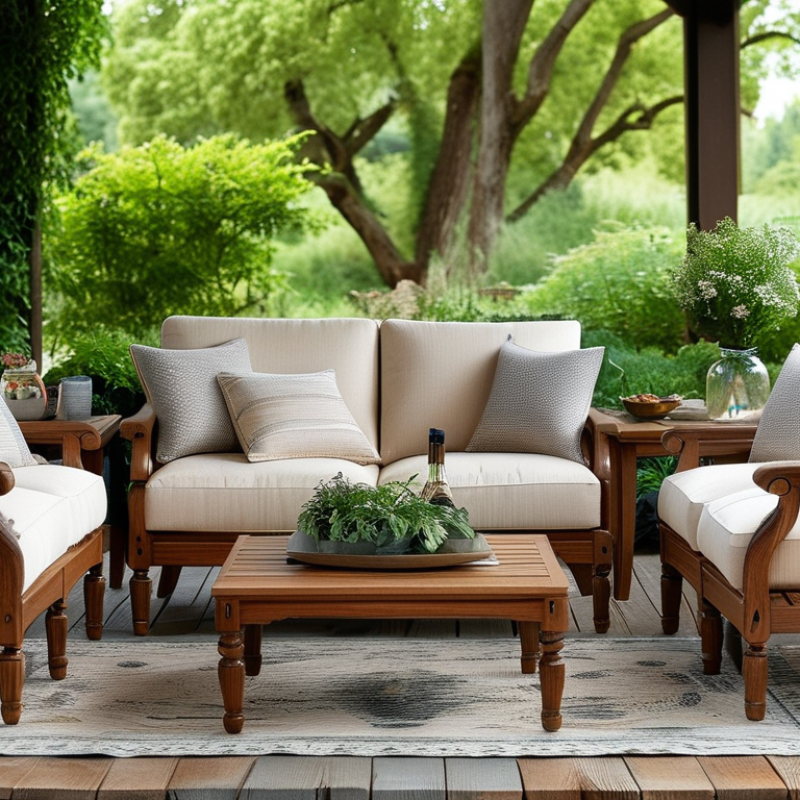
When selecting outdoor furniture, material choice stands out as crucial. Wood is a classic option, offering warmth and natural beauty. Hardwoods like teak resist moisture and insects well, but they require regular maintenance. Softwoods are more affordable but might not last as long in harsh weather.
Metal furniture adds a contemporary flair. Aluminum is lightweight and rust-resistant, making it easy to move. However, it can heat up under the sun, which may be uncomfortable. Steel is sturdy and durable, but it needs protective coating to prevent rust.
For those looking for weather-resistant solutions, synthetic materials like resin wicker are ideal. This material mimics the look of natural wicker while providing exceptional durability. It stands up to UV rays and does not fade easily. However, it might feel less authentic to some buyers.
Lastly, consider comfort and aesthetics. Cushions can enhance seating but require regular cleaning. Evaluate how these factors fit your lifestyle and outdoor space. This reflection helps ensure your investment in outdoor furniture meets your needs and expectations.
Top 5 Outdoor Furniture Materials and Their Benefits
Assessing Weather Resistance for Durable Outdoor Furniture Choices
When buying outdoor furniture, assessing its weather resistance is crucial. Consider the materials used. Teak and cedar are popular for their natural resistance to moisture and insects. However, not all wood can withstand harsh conditions. Some types may warp or crack over time. Look for furniture treated with protective finishes to enhance durability.
Metal furniture can also be a great choice. Aluminum is lightweight and resistant to rust. However, ensure it has a powder-coated finish for added protection. Steel is sturdy but needs to be maintained to prevent corrosion. Check for any signs of rust or wear before purchasing.
Fabric is another important aspect. Outdoor cushions should be fade-resistant and mold-resistant. Look for solution-dyed fabrics that stand up to the elements. Lightweight fabrics may not last as long in heavy rain or sun. Always examine product details to ensure you are making informed decisions. You want furniture that will last, reflecting your investment and style choices.
Prioritizing Comfort and Ergonomics in Outdoor Seating Options
When choosing outdoor seating, prioritizing comfort and ergonomics is crucial.
The right chair should support your posture while allowing you to relax. Look for features such as adjustable heights and lumbar support. These elements play a significant role in long-term comfort.
Consider the materials. Cushions made from outdoor-friendly fabrics can enhance comfort. Soft textiles reduce pressure points and provide a soothing experience. However, durability is also essential. Sometimes, comfort comes at the expense of resilience. Finding a balance can be difficult, but it’s crucial for outdoor settings.
Additionally, test seating arrangements before purchasing. Sit for a few minutes to gauge comfort. This simple act can reveal surprising discomforts. Outdoor seating should invite relaxation, but not all pieces will suit everyone. Remember that personal preferences may vary. Explore various styles and designs to create a welcoming outdoor space. Each choice tells a story of comfort and functionality.
Exploring Design Aesthetics to Complement Outdoor Spaces
When selecting outdoor furniture, design aesthetics play a crucial role. Many buyers often overlook how their choices influence the overall ambiance of their spaces. A carefully chosen color palette can create a harmonious environment. For instance, earthy tones can blend well with lush gardens, while vibrant shades might add a fun vibe to a patio.
It's also essential to consider the materials used in outdoor furniture. Natural materials like wood can offer warmth and a rustic charm. However, synthetic materials often provide durability and low maintenance. The contrast of sleek metal with soft cushions can add depth to your space. Think about how textures interact. A combination of fluffy cushions and smooth tabletops creates an inviting atmosphere.
Reflecting on the purpose of outdoor spaces can also guide your choices. Daytime lounging requires comfy seating options. In contrast, evening gatherings may benefit from integrated lighting features. Evaluating how each piece impacts functionality can lead to a more cohesive design. What does your outdoor area say about you? Allowing room for improvement and reconsideration can refine your aesthetic vision.
Evaluating Maintenance Requirements for Long-lasting Outdoor Furniture
When considering outdoor furniture, maintenance is a key factor for long-lasting enjoyment. Different materials require various care methods. For instance, wooden furniture needs regular sealing to protect it from moisture and pests. Failure to do so can lead to warping or splitting over time.
Metal furniture may rust if not treated properly, especially in coastal areas.
Cushions and fabrics also demand attention. Choosing weather-resistant fabrics can reduce wear and tear. However, even these require periodic cleaning to prevent mold and stains. Leave them out in the rain, and you might be left with unsightly marks.
It’s essential to understand that neglecting maintenance can lead to costly replacements sooner than anticipated.
Investing time in care routines is critical. Regularly inspect your furniture for signs of damage. This could save you from deeper issues later. Everyone wants their outdoor space to be a retreat, not a headache. Make informed choices, and be ready to engage in upkeep. This proactive approach often pays off in terms of longevity and aesthetics.