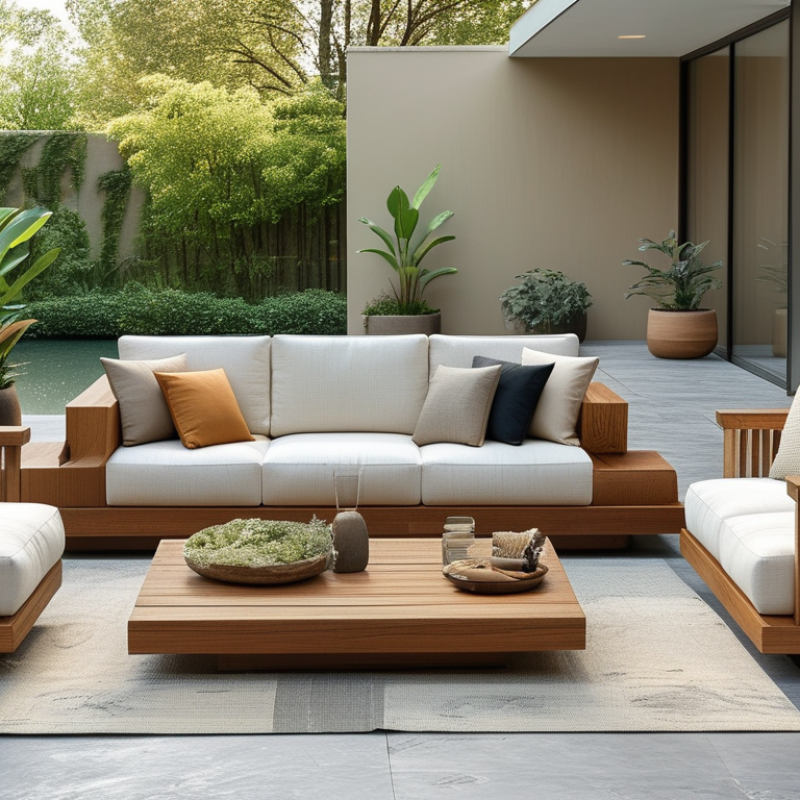
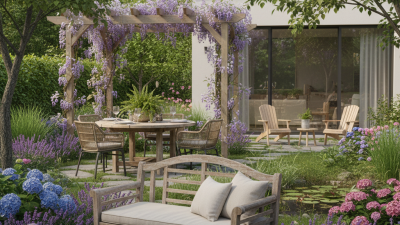
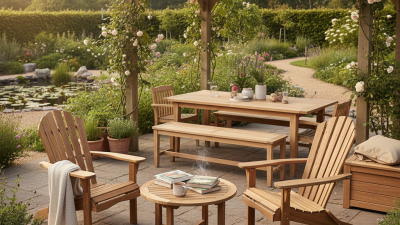
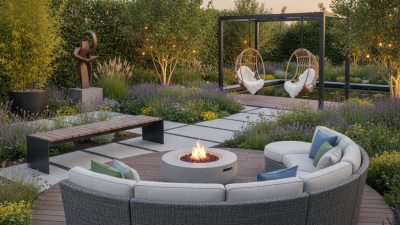
Top Patio Furniture Trends for 2026 What Should You Buy?
As we look ahead to 2026, the world of patio furniture is evolving rapidly. Outdoor spaces are becoming extensions of our homes. Quality patio furniture plays a crucial role in this transformation.
Trends are shifting towards sustainability and multifunctionality. People seek furniture that not only looks good but also lasts longer. Colors and materials are becoming bolder and more varied. This reflects our desire for personalization in our outdoor decor.
However, it's essential to choose wisely. Not every trend suits every space. Some furniture may not withstand the elements or wear well over time. Think critically about your needs and preferences. Research brands that prioritize durability and style. Your patio furniture selection now can define your relaxation areas for years to come.
Emerging Materials in Patio Furniture for 2026
As we look ahead to 2026, the patio furniture landscape is evolving. One prominent trend is the introduction of sustainable materials that balance aesthetics with environmental conservation. For instance, recycled plastics and natural fibers are gaining traction. They provide durability while reducing waste. These materials not only look modern but also stand up to the elements.
When selecting patio furniture, consider how these materials align with your personal style and eco-friendly values. Choose pieces that reflect your taste, but also think about their longevity. Look for finishes that resist fading and weather effects. This approach ensures your investment lasts for years.
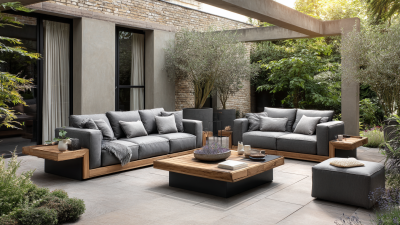
Another exciting development is the rise of modular furniture designs. They offer flexibility and adaptability for various spaces. With changing needs, you can easily rearrange these pieces. This trend encourages creativity in how we utilize outdoor areas. Embrace this shift by experimenting with different layouts.
Remember to maintain your patio furniture well. Regular cleaning and care can extend its life. Consider using protective covers when not in use. This small step can prevent damage and fading, keeping your outdoor space inviting for family and friends. Always stay informed about new materials and trends to make educated choices for your patio.
Innovative Design Features to Look for in 2026
As we approach 2026, innovative design features in patio furniture are set to reshape outdoor spaces. One prominent trend is modular furniture. This design allows homeowners to adapt their outdoor setups to different occasions. Research indicates that 72% of consumers prefer versatile options for outdoor living spaces. Configurable designs offer flexibility without sacrificing style.
Sustainability is another significant focus. Many manufacturers are now utilizing recycled materials. Reports show that 58% of consumers prioritize eco-friendly products. This shift towards greener options highlights the growing importance of environmental responsibility. Features such as weather-resistant finishes and UV protection are becoming standard. Consumers want durability and low-maintenance choices.
Smart technology integration is also gaining momentum. Outdoor furniture equipped with built-in charging ports and speakers is appealing to tech-savvy users. 40% of homeowners express interest in tech-enhanced outdoor environments. However, the challenge remains to balance technology with traditional charm. The blend of functionality and aesthetics creates a captivating outdoor experience. Recognizing these trends can guide consumers in selecting the perfect patio furniture for 2026.
Sustainable Options: Eco-Friendly Patio Furniture Choices
As we look toward the future, eco-friendly patio furniture is gaining significant traction. A recent industry report from the American Society of Landscape Architects indicates that 74% of consumers prioritize sustainable materials when purchasing outdoor furniture. This is a remarkable change, reflecting growing awareness about environmental issues.
Recycled materials are becoming a preferred choice. Many brands are now utilizing reclaimed wood and recycled plastics to create stylish yet durable options. The use of salvaged wood reduces the need for new lumber, while recycled plastics lessen landfill waste. Furthermore, studies show that sustainable patio furniture is often more resistant to the elements. They tend to have a longer life cycle, aligning perfectly with the eco-conscious consumer’s desire for long-lasting products.
Yet, the market still faces challenges. Many consumers remain unaware of the full benefits of sustainable products. Additionally, the initial cost can be a barrier. Though prices of sustainable furniture can be higher, they often save money in the long run due to their durability. As awareness grows, we may see more innovation in this sector, leading to cost-effective and stylish eco-friendly options tailored for every budget.
Color Trends and Aesthetic Preferences for Outdoor Spaces in 2026
In 2026, outdoor aesthetics will focus on earth tones and vibrant, natural hues. Expect to see deep greens, rich browns, and terracotta hues dominating patio designs. These colors create a warm and inviting atmosphere, blending seamlessly with natural surroundings. The use of vibrant accents, like sunny yellows and playful blues, will also add pops of joy.
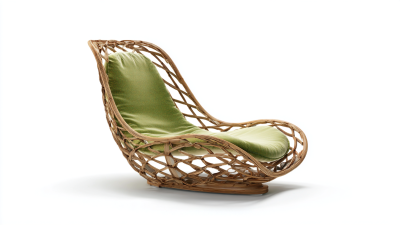
Accessorizing your patio with plants and organic materials will enhance this aesthetic. Consider woven textures in furniture and natural stone elements for a grounded look. Combining diverse materials creates a layered appearance that feels both modern and rustic.
When choosing outdoor furniture, opt for pieces that promote comfort and style. Plush cushions in durable fabrics will invite relaxation. Incorporating flexible seating arrangements allows for both gatherings and intimate dinners.
Remember to invest in quality over quantity. Prioritize pieces that reflect your personal style while also being functional. With thoughtful choices, your outdoor space can become a serene retreat.
Practical Considerations: Durability and Maintenance in Patio Furniture
When choosing patio furniture, durability and maintenance are key considerations. Reports indicate that nearly 40% of consumers prioritize longevity in their purchase decisions. In 2026, expect to see materials engineered for resilience, such as high-density polyethylene and rust-resistant aluminum. These options are favored for their ability to withstand different weather conditions without losing aesthetics.
Maintenance remains a common concern. Many homeowners experience frustration with upkeep. For instance, wooden furniture often requires frequent staining or sealing. Conversely, materials like synthetic wicker or powder-coated metal are low-maintenance. Regular cleaning with mild soap and water can keep them looking new.
Tips: Invest in protective covers for off-season storage. This simple step extends the life of your furniture significantly. Consider furniture with removable cushions made from fade-resistant fabric. These can be easily cleaned and maintained, ensuring comfort and longevity. Remember, selecting the right material can mean less hassle in the long run.
Top Patio Furniture Trends for 2026: Practical Considerations - Durability and Maintenance
| Material |
Durability Rating |
Maintenance Level |
Average Lifespan (Years) |
| Aluminum |
High |
Low |
15-20 |
| Teak Wood |
Very High |
Medium |
25-50 |
| Synthetic Rattan |
Medium |
Low |
10-15 |
| Cast Iron |
Very High |
High |
20-30 |
| Plastic |
Low |
Very Low |
5-10 |