Why Choose a Metal Garden Table for Your Outdoor Space?

Outdoor living is becoming a serious part of residential design, not merely a seasonal extra. Grand View Research reported that the global outdoor furniture market was valued at more than USD 23 billion in 2023. Its outlook also indicates continued growth through 2030. This expansion reflects stronger demand for durable seating and dining products. A Metal Garden Table fits this shift because it combines structural strength with a clean, adaptable appearance.

In practical use, a steel or aluminum table can support daily meals, children’s activities, and occasional entertaining. Powder-coated finishes help protect the surface from moisture, ultraviolet exposure, and minor scratches. Aluminum is lighter and naturally resistant to rust. Steel usually feels more stable in windy gardens. That difference matters when plates, glasses, and a hot serving dish cover the tabletop. The American Society for Testing and Materials publishes relevant standards for coating adhesion, corrosion resistance, and metal performance. Buyers should check whether manufacturers provide meaningful test information. Marketing language alone is not enough.

There is a compromise. Metal can become hot under direct summer sunlight and cold during early spring dinners. I have found that a shaded position, textured tabletop, and removable placemats improve comfort noticeably. Maintenance is also easy, but never completely absent. Inspect joints, tighten fasteners, and repair chipped coatings before corrosion spreads. According to the International Casual Furnishings Association’s consumer research, comfort and durability remain important outdoor-furniture purchase considerations. That evidence supports a careful choice, not a blind one. A well-finished Metal Garden Table can offer dependable value, although local climate and daily use should decide the final specification.
Why Choose a Metal Garden Table for Your Outdoor Space?

Types of Metal Garden Tables and Their Common Materials

Why Choose a Metal Garden Table for Your Outdoor Space?

Metal garden tables offer practical strength, visual variety, and dependable outdoor performance. The main types include steel, stainless steel, aluminum, and wrought iron. Each material behaves differently under sunlight, rain, and daily use. A 2024 Grand View Research report valued the global outdoor furniture market at over 20 billion U.S. dollars. That growth reflects stronger demand for durable outdoor products, not just attractive designs.

Steel Tables Steel tables provide excellent stability, especially for large dining sets and windy patios. Powder-coated steel adds a protective finish, but scratches may expose the surface to rust.

Stainless Steel Stainless steel resists corrosion more effectively, making it useful near humid gardens or coastal areas. It still needs cleaning. Salt residue can leave marks.

Aluminum Tables Aluminum tables are lighter and easier to move. The International Aluminium Institute reports that about 75% of all aluminum ever produced remains in use today, supporting its long-term material value. However, lightweight frames may shift during strong winds.

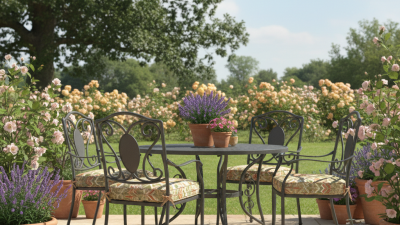
Wrought Iron Wrought iron creates a traditional appearance and feels remarkably solid. Its weight suits permanent seating areas. It usually needs protective coatings and occasional touch-ups.

In my experience, aluminum works best for flexible layouts, while steel feels safer for heavy daily use. This is not universal. Climate changes the decision. A table under a roof may age differently from one exposed beside sprinklers. Consider drainage, coating quality, frame joints, and cleaning habits before choosing the material. Small details matter.

Key Benefits of Metal Tables for Outdoor Living

A metal garden table can make an outdoor space feel more settled and useful. In my experience, its solid frame handles daily meals, potted herbs, and unexpected summer gatherings well. Steel usually feels heavier and steadier, while aluminum is easier to move across a patio. That difference matters when the table must serve several areas.

Durability is a major benefit of metal tables for outdoor living. A well-finished surface can resist moisture, sunlight, and ordinary scratches. Powder-coated finishes also offer a smoother barrier against corrosion, although no coating lasts forever. Wiping spilled drinks quickly helps preserve the finish. Some afternoons, that matters. Metal also supports slim designs without feeling fragile, leaving more legroom beneath the tabletop. This can make a small balcony appear less crowded.

Comfort and maintenance still deserve careful attention. Dark metal can become very hot under direct sunlight, so a shaded position or light table covering may help. I once placed a black table beside a west-facing wall; by late afternoon, it was uncomfortable to touch. That choice was not perfect. Check drainage, joints, and coating quality before buying. Tables with sealed surfaces and stable feet are easier to maintain on uneven ground. In coastal or persistently damp areas, inspect small chips regularly, because exposed metal may rust over time. A metal garden table is practical, but its best performance depends on suitable placement and modest care.

Why Choose a Metal Garden Table for Your Outdoor Space?

Metal tables combine structural strength with practical outdoor performance. The chart compares the approximate density of commonly used furniture metals, showing why aluminum is easier to move while steel and cast iron provide a heavier, more stable base.

Approximate density values at room temperature: aluminum 2,700 kg/m³, carbon steel 7,850 kg/m³, stainless steel 8,000 kg/m³, and cast iron 7,200 kg/m³. Actual values vary by alloy and product construction.

How Metal Garden Tables Perform in Different Weather Conditions

Why Choose a Metal Garden Table for Your Outdoor Space?

Metal garden tables perform differently as weather changes. Steel offers strong support during windy conditions, while aluminum remains lighter and easier to move. However, neither material is completely maintenance-free. The U.S. Environmental Protection Agency reports that precipitation from very heavy events increased by 8% in the contiguous United States between 1958 and 2022. More intense rain can expose scratches, seams, and unprotected fasteners to moisture.

Rain is only part of the problem. Sunlight can fade coatings, while winter freezing may trap water inside small cracks. The American Galvanizers Association states that hot-dip galvanized steel can provide more than 50 years of maintenance-free service in many atmospheric environments. That figure depends heavily on local humidity, salt exposure, and coating thickness. Coastal air is harsher. Check the frame after storms.

In daily use, I would choose a table with sealed joints, drainage openings, and corrosion-resistant hardware. Powder-coated surfaces usually feel smooth and clean, but a deep scratch still needs quick attention. ISO 9223 classifies atmospheric corrosion by humidity, salt, and pollution, showing why one outdoor table cannot perform equally everywhere. I once underestimated water collecting beneath a tabletop. It caused discoloration before the upper surface showed damage. A simple cover helps, but ventilation matters too. Overlooking it is easy.

Why Choose a Metal Garden Table for Your Outdoor Space? - How Metal Garden Tables Perform in Different Weather Conditions
Metal Table Type Rain and Humidity Sun and Heat Cold and Frost Wind Stability Typical Maintenance Best Outdoor Use
Powder-Coated Steel Good
Resists moisture when the coating is intact; exposed scratches should be repaired to limit rust.
Good
Strong and stable in sunlight, although dark finishes can become hot to the touch.
Good
Handles normal freezing temperatures; remove standing water from joints before freezing conditions.
Very Good
Its heavier construction generally provides strong resistance to movement in windy areas.
Wash with mild soap and water. Inspect chips, fasteners, and welds periodically. Patios and dining areas where a sturdy, widely available metal table is required.
Galvanized Steel Very Good
A zinc coating provides effective protection against ordinary outdoor moisture; harsh coastal exposure may require extra care.
Very Good
Maintains structural strength in hot weather and does not swell or warp like wood.
Very Good
Suitable for frost and winter conditions when water is not trapped in seams or fittings.
Very Good
Steel weight offers reliable stability for exposed gardens.
Rinse salt and dirt away. Avoid abrasive cleaners that can damage the zinc surface. Open gardens, utility-style outdoor dining areas, and locations needing robust corrosion protection.
Aluminum Excellent
Does not rust; oxidation forms a protective surface layer, while fasteners may still need inspection.
Very Good
Performs well in sunlight, but the metal can heat quickly and lightweight frames may move in strong wind.
Excellent
Unaffected by normal frost and will not absorb water or crack from freezing moisture.
Good
Light weight makes it easy to move but may require a heavier base or anchoring in windy locations.
Clean with mild soap. Check screws and joints because aluminum is softer than steel. Balconies, covered patios, coastal areas, and spaces where easy repositioning is important.
Stainless Steel Excellent
Highly resistant to rust and staining; chloride-rich coastal environments still require regular rinsing.
Excellent
Retains its strength outdoors and is not affected by ultraviolet exposure.
Excellent
Performs reliably through freezing weather when water is not trapped in hollow sections.
Very Good
Often provides a stable frame, depending on the table's design and weight.
Wash regularly and wipe dry in coastal locations. Avoid chlorine-based cleaners. Contemporary patios, humid climates, and high-use outdoor dining spaces.
Wrought Iron Fair to Good
Very durable when painted or coated, but unprotected chips and seams can develop surface rust.
Very Good
Heavy construction remains stable in heat; dark surfaces may become hot in direct sun.
Good
Handles cold weather well, but trapped water should be removed to reduce corrosion risk.
Excellent
Its high weight provides excellent stability during windy conditions.
Dry after prolonged rain, touch up damaged finishes, and check for rust at joints and feet. Windy gardens, traditional outdoor settings, and permanent seating areas.

Performance depends on the alloy, surface finish, frame design, fasteners, local climate, and installation quality. In every climate, regular cleaning and prompt repair of damaged coatings help extend the service life of a metal garden table.

Choosing the Right Size, Style, and Finish for Your Space

A metal garden table can make an outdoor area feel structured and dependable. Choosing the right size matters more than its appearance. Measure the available space, then leave at least 90 centimeters around the table for comfortable movement. A small balcony may suit a round table around 70 centimeters wide. Larger patios can handle a rectangular table measuring 150 centimeters or more. Remember the chairs.

I once chose a table that looked elegant but crowded a narrow terrace. That judgment was wrong. The chairs could not slide back easily, and people bumped the railing. A simple paper layout on the floor would have exposed the problem. Shape also affects conversation. Round tables encourage eye contact, while rectangular designs provide more serving space for family meals.

Style should support the setting, not compete with it. Clean lines suit modern paving, while curved legs can soften a leafy garden. The finish deserves practical attention. Powder-coated surfaces usually resist everyday moisture and scratches, but damaged areas need prompt care. Dark finishes absorb strong sunlight and may feel hot at midday. Lighter finishes show dirt more clearly, yet they can keep the space visually fresh. Check drainage holes, welds, and adjustable feet before buying. Small details matter. If the table will stay outside through wet seasons, use a breathable cover and avoid trapping moisture underneath. Even durable metal benefits from occasional cleaning with mild soap and water.

Maintenance and Safety Tips for Long-Term Use

A metal garden table earns its place outdoors through strength, stability, and clean lines. Long-term value, however, depends less on appearance than on routine care. I check the tabletop, legs, and underside after heavy rain. Water often hides beneath joints. That small habit has prevented bigger repairs.

Wash the table with mild soap, warm water, and a soft cloth every few weeks. Avoid abrasive pads, strong solvents, and standing water. Dry seams carefully, especially around bolts and drainage holes. Look for bubbling paint, orange spots, loose screws, or sharp edges. Treat small rust marks early with a suitable outdoor metal primer and repair coating. Follow the product instructions and allow full drying before use. I once ignored a tiny rust bubble; it spread farther than expected.

Safety deserves equal attention. Keep the table on firm, level ground, and tighten fasteners when movement appears. Do not place excessive weight on one corner. Metal surfaces can become dangerously hot in direct summer sun, so test them before children sit nearby. During strong winds, remove loose objects and store the table if its design allows. Check it again after storms. My maintenance routine is not perfect, and I sometimes miss the underside, but a monthly reminder makes the inspection more reliable.