Why Choose Fermob Bistro for Global Outdoor Furniture?

Why choose Fermob Bistro for global outdoor furniture? The answer begins with changing expectations around flexible, compact, and durable public spaces. Grand View Research identifies outdoor furniture as a growing global category, supported by hospitality investment, urban living, and residential outdoor areas. Its 2024 market analysis also highlights demand for products that combine design, weather resistance, and practical maintenance.

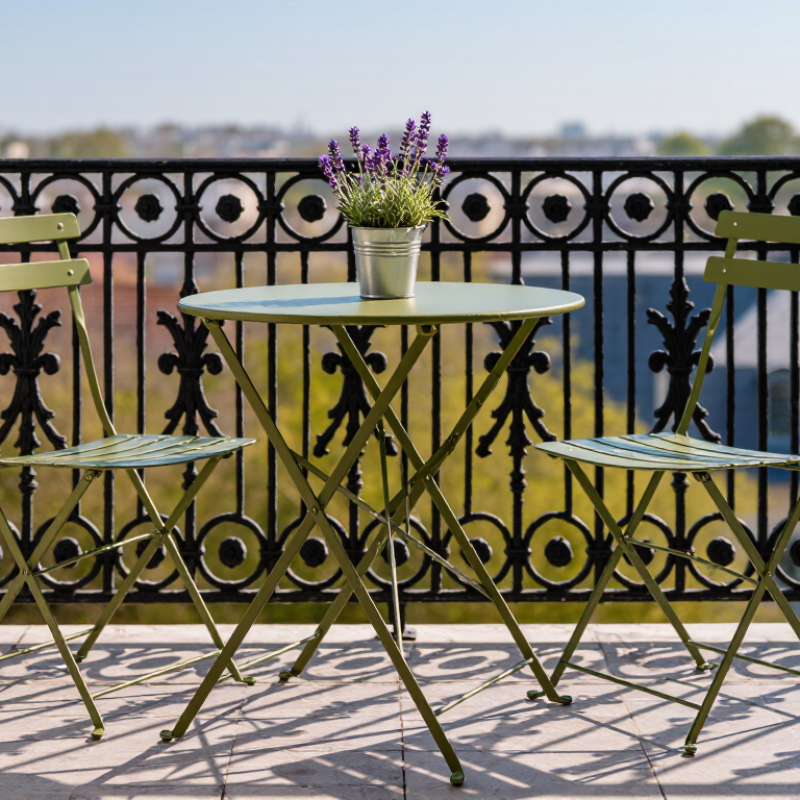
Fermob Bistro fits this direction through a recognizable French café aesthetic and a folding format. On a narrow balcony, its chairs can clear floor space within seconds. On a restaurant terrace, tables can be rearranged before an evening service. Fermob’s official product specifications describe steel construction, protective finishes, and folding mechanisms across the Bistro range. These details matter more than visual charm alone.

Small spaces matter.

The Global Outdoor Furniture Market report from Fortune Business Insights projects continued market expansion through 2032, with durability and low-maintenance materials influencing purchasing decisions. However, market growth does not make every product suitable everywhere. Coastal salt, intense sunlight, freezing temperatures, and careless storage can still shorten furniture life. Fermob Bistro should therefore be evaluated against local climate, usage frequency, load requirements, and after-sales support.

That is the less polished truth. A stylish chair cannot replace sensible site planning. Buyers should verify technical specifications, finish-care instructions, warranty terms, and replacement-part availability before ordering internationally. When these checks align, Fermob Bistro offers more than a decorative reference to Parisian terraces. It provides a practical system for creating adaptable outdoor settings, from compact balconies to busy cafés, while retaining a clear and memorable visual identity.
Why Choose Fermob Bistro for Global Outdoor Furniture?

What Is Fermob Bistro and How Did It Become a Global Furniture Choice?

Abistro-style furniture set usually means a compact, foldable table and matching chairs. It originated from European café terraces, where narrow sidewalks demanded efficient seating. The format is practical: lightweight frames, small footprints, and quick storage after service. I have seen similar sets move easily through tight doorways and crowded courtyards. That matters for cafés, balconies, hotels, and public gardens.

Its global growth reflects wider outdoor-living demand. Grand View Research valued the global outdoor furniture market at about USD 23.6 billion in 2022. The firm expects a 5.6% compound annual growth rate from 2023 to 2030. Another industry estimate, from Fortune Business Insights, placed the 2023 market near USD 49.95 billion. The difference is significant. Definitions, regions, and product categories are not consistent.

Still, the direction is clear. Buyers increasingly want outdoor furniture that is flexible, repairable, and visually familiar. Powder-coated steel can resist routine weather exposure when maintenance is performed correctly. Foldable construction also reduces transport volume and storage pressure. Yet durability is not automatic. Poor drainage, coastal salt, and careless stacking can shorten service life. Global popularity may come from simple design, but local climate testing remains essential. A compact café format is useful everywhere, though not equally suitable for every environment.

How Fermob Bistro’s Design Combines Heritage, Function, and Portability

Heritage becomes useful when it survives daily handling. Traditional café furniture often uses slim steel frames, curved backs, and compact proportions. These details create a familiar European streetscape without demanding much floor space. Grand View Research estimates that the global outdoor furniture market will grow at roughly 5% annually through 2030. That growth reflects rising demand for attractive, practical outdoor settings.

Function appears in the folding mechanism. A chair should open smoothly, stand firmly, and store against a wall. A small round table should support coffee, plates, and sudden weather changes. Portability adds another advantage. Staff can rearrange a terrace before rain, while homeowners can move furniture between balconies and gardens. It still matters. The object must feel light, not fragile.

Material choice strengthens this balance. Powder-coated steel can resist moisture and repeated handling when properly maintained. The European Chemicals Agency emphasizes responsible material management and reduced exposure to hazardous substances, making durable finishes worth examining. Yet the design is not perfect. Metal may become hot under strong sunlight, and narrow seats can feel tiring after an hour. That weakness deserves honest attention. Cushions, shade, and regular coating checks can improve real-world comfort. The best heritage-inspired furniture does not merely imitate history; it adapts old visual language to modern storage, maintenance, and changing outdoor habits.

Why Choose Fermob Bistro for Global Outdoor Furniture? - How Fermob Bistro’s Design Combines Heritage, Function, and Portability

Design Dimension Documented Design Fact Functional Benefit Global Outdoor Application
Cultural Heritage The bistro furniture concept is rooted in European café culture, where compact tables and chairs support outdoor dining in dense urban spaces. Creates a recognizable hospitality atmosphere while keeping the furniture practical for everyday use. Suitable for cafés, restaurants, balconies, courtyards, terraces, and compact commercial seating areas.
Folding Construction A folding frame allows the table or chair to collapse when it is not being used. Reduces storage volume and makes seasonal rearrangement faster. Useful for venues that regularly clear outdoor areas because of weather, events, cleaning, or local regulations.
Material Performance Outdoor steel furniture combines high structural strength with a relatively slim visual profile. Provides stability for dining and seating while preserving a lightweight-looking design. Appropriate for residential and commercial environments where stable furniture is preferred over very light temporary pieces.
Protective Finish A properly applied exterior coating helps protect metal surfaces from moisture, abrasion, and everyday outdoor exposure. Improves appearance retention and simplifies routine care, although no coating makes metal completely maintenance-free. Can support use in varied climates when paired with suitable drainage, cleaning, and storage practices.
Portability The compact folding format makes individual pieces easier to carry, stack, and reposition than fixed outdoor furniture. Supports quick changes to seating layouts and efficient off-season storage. Beneficial for mobile hospitality operations, flexible event spaces, apartment terraces, and small urban patios.
Space Efficiency Compact round or square café tables are designed to serve limited footprints without requiring large dining zones. Allows more flexible circulation and seating arrangements in constrained spaces. Well suited to narrow sidewalks, balconies, rooftop terraces, garden paths, and compact hospitality settings.
Weather Management Open gaps, slatted surfaces, or perforated panels can help rainwater drain instead of pooling on the furniture. Improves drying after rain and reduces standing water during outdoor use. Useful in humid, rainy, and coastal regions when the furniture is inspected and maintained regularly.
Maintenance Routine Routine care for coated outdoor metal generally includes removing dirt with mild soap and water and drying the surface afterward. Helps preserve the finish and makes early surface damage easier to identify. Provides a practical care method for homes, restaurants, hotels, public courtyards, and hospitality operators.
Visual Adaptability A simple café-furniture silhouette can work with traditional architecture, contemporary buildings, and informal garden settings. Makes it easier to coordinate furniture with different architectural styles and outdoor color schemes. Supports consistent visual planning across residential projects, restaurants, hotels, retail terraces, and public spaces.

What Materials and Manufacturing Features Support Outdoor Durability?

Outdoor furniture must withstand more than sunlight. It faces rain, coastal salt, dust, temperature changes, and frequent handling. A durable bistro-style chair often begins with strong steel tubing, formed for stability without excessive weight. That balance matters when staff move chairs daily or homeowners store them indoors overnight.

Protective finishing is equally important. Galvanized steel can resist corrosion, while a carefully applied powder coating creates a tough, even surface. Some manufacturers add a conversion treatment before coating, helping the finish bond more reliably. Welds should look clean and consistent, with smooth edges that reduce water traps. Small details matter. Drainage openings can prevent moisture from collecting inside hollow frames.

From hands-on use, the best designs remain steady on uneven paving and recover well after repeated folding. Still, no coating is invincible. Scratches near hinges or feet deserve quick attention, especially in humid or salty environments. I once assumed a thick finish alone guaranteed long service life; that was too simple. Material quality, joint design, curing temperature, and routine care work together. Buyers should ask about corrosion testing, coating thickness, and replacement parts rather than relying on appearance. A bright surface may impress on delivery day, but durability reveals itself after many seasons outside.

Where Fermob Bistro Furniture Fits in Global Outdoor Spaces

Where Compact Bistro Furniture Fits in Global Outdoor Spaces

Compact folding furniture fits naturally into many outdoor settings because it responds to limited space. On narrow city balconies, two chairs and a small round table can create a useful breakfast corner. In busy cafés, lightweight pieces support quick rearrangement between morning service and evening dining. Courtyards, hotel terraces, and community gardens also benefit from this flexible layout.

Climate changes the practical choice. In coastal areas, salt air can test metal finishes, so regular cleaning matters. In sunny regions, protective coatings help reduce fading and surface wear. Colder locations may require indoor storage during freezing weather. I have found that folding frames simplify seasonal maintenance, especially when storage rooms are small. They are not maintenance-free, though.

Public plazas need furniture that supports movement without blocking pathways. A café terrace may need clear spacing for wheelchairs, service carts, and emergency access. Local accessibility rules should guide every arrangement. Designers should also check wind exposure, ground stability, and cleaning routines before installation. The most attractive setup can fail when chairs scrape uneven paving or tables collect rainwater. That small detail matters. These pieces work best where adaptability, visual order, and daily handling are equally important.

How to Evaluate Fermob Bistro for Different Commercial and Residential Needs

Evaluating bistro-style outdoor furniture requires more than checking its appearance. Grand View Research valued the global outdoor furniture market at approximately USD 18.3 billion in 2022. It also projects continued growth through 2030. This expansion reflects demand from hotels, cafés, balconies, and compact urban homes. A practical evaluation should begin with use frequency, available space, and expected weather exposure.

For commercial settings, inspect the frame, hinge movement, and replacement process. Powder-coated steel can support a crisp café layout, but coastal air may accelerate corrosion. Ask for salt-spray testing and coating specifications. The BIFMA outdoor-furniture guidance emphasizes durability, stability, and safe performance under repeated use. Tables should fold smoothly without trapping fingers. Chairs should remain steady on uneven paving. Small details matter.

For residential buyers, weight and storage often matter more than maximum capacity. A lightweight chair is easier to move between a balcony and a living room. Yet very light furniture may shift during strong winds. That is a trade-off. The European Environment Agency reports that longer product life can reduce material demand and waste generation. Therefore, evaluate repairable parts, finish durability, and recyclable materials. The choice is not always perfect. A beautiful finish may require more care. A stronger frame may feel less portable. Use a sample outdoors for several weeks before purchasing many units. Statistics guide the decision, but real weather reveals weaknesses.

Why Choose Fermob Bistro for Global Outdoor Furniture?

How to Evaluate Outdoor Furniture for Different Commercial and Residential Needs

The chart uses a transparent 1–5 planning scale, where 5 indicates a higher priority. Commercial environments typically place greater emphasis on durability, storage efficiency, and maintenance, while residential settings often give more weight to design flexibility and everyday comfort.