Top Wooden Garden Furniture Trends for Global Buyers?
In the evolving world of outdoor decor, "Wooden Garden Furniture" stands out as both timeless and trendy. Expert Sarah Thompson, a well-known designer in the outdoor furniture industry, states, “Wood connects our spaces with nature, embodying warmth and sustainability.” This perspective captures the essence of why buyers globally are gravitating towards wooden furniture for their gardens.
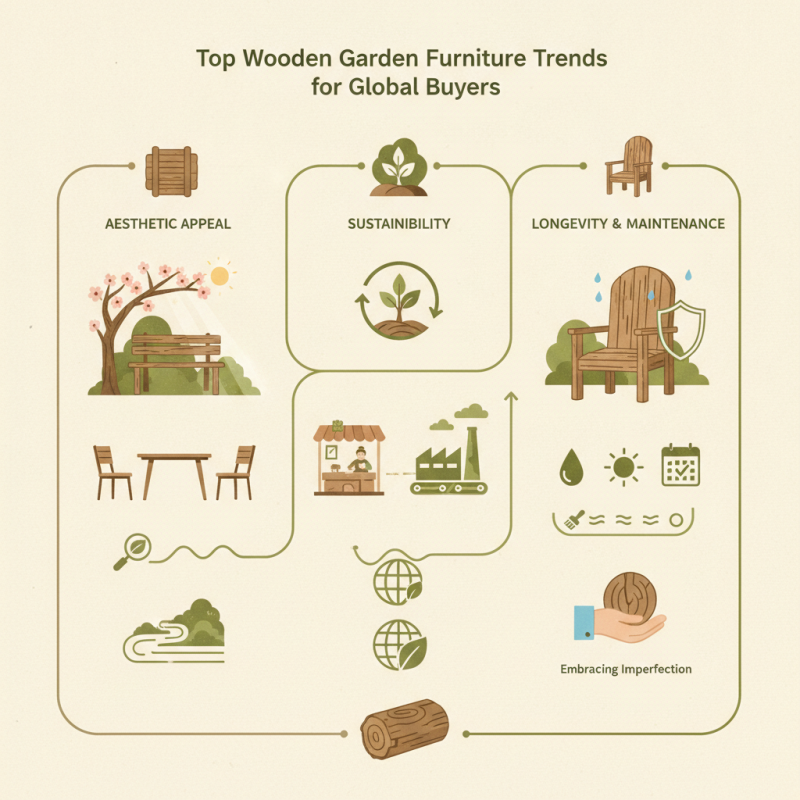
Aesthetic appeal is crucial. Buyers prioritize pieces that blend seamlessly with their gardens. From rustic benches to modern tables, there’s a style for every taste. The natural look and feel of wood can enhance the serenity of outdoor spaces. Yet, the challenge remains in choosing materials that withstand the elements. Consumers should reflect on the longevity and maintenance of their selections.
Sustainability is another vital theme. As eco-consciousness grows, responsible sourcing of wood is essential. Buyers are becoming more thoughtful about the origins of their furniture. While trends offer many directions, a focused approach is necessary. Exploring local artisans versus mass production can reshape one's garden narrative. Embracing imperfection in design may also lead to refreshing discoveries.
Emerging Trends in Wooden Garden Furniture for 2023
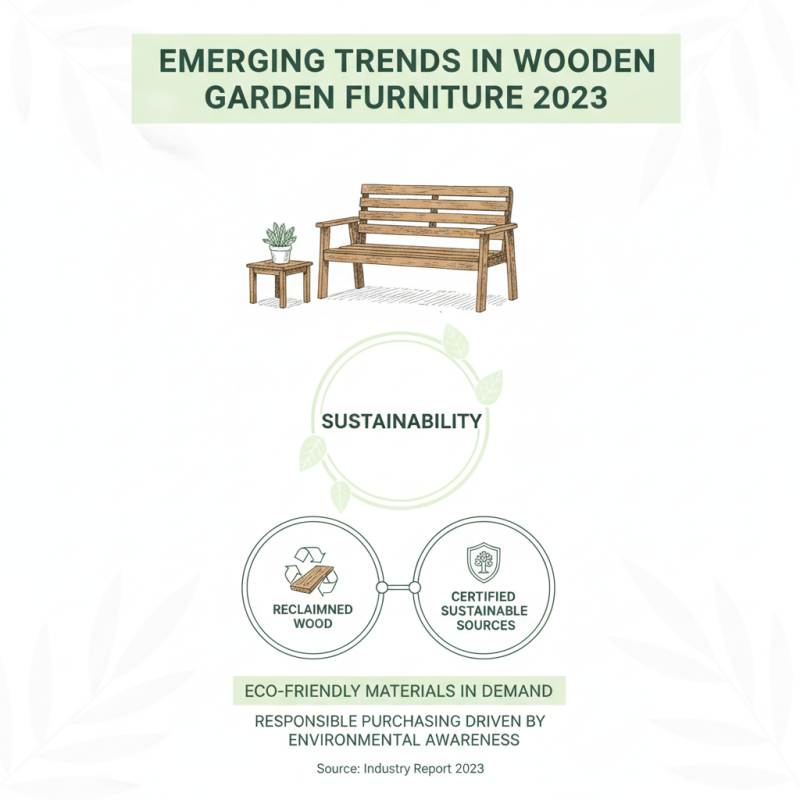
Wooden garden furniture is evolving. In 2023, several exciting trends are emerging that cater to diverse buyer preferences. One notable trend is sustainability. Eco-friendly materials are in demand. Many consumers now prefer furniture crafted from reclaimed wood or certified sustainable sources. This move towards responsible purchasing reflects a growing awareness of environmental issues.
Another significant trend is multifunctionality. Buyers are looking for furniture that serves multiple purposes. For instance, benches that can convert into dining tables are increasingly sought after. This allows for efficient use of space in smaller gardens. Additionally, smart outdoor furniture with built-in storage solutions is gaining popularity. It addresses practical needs while enhancing outdoor aesthetics.
Color choices are also diversifying. Natural wood finishes remain popular, but bold colors are making waves. Unexpected hues like deep teal or rich burgundy can create eye-catching contrasts. However, some buyers might find it challenging to match these colors with existing decor. The balance between trendy designs and timeless appeal is nuanced and subjective. Buyers may need to consider their unique styles and preferences when selecting garden furniture this year.
Sustainable Materials: A Key Focus for Eco-Friendly Buyers
Sustainability is transforming garden furniture choices worldwide. Eco-conscious buyers are now prioritizing sustainable materials. Wood remains a popular option, but its source matters. Reclaimed wood and certified timber are trending. These selections reduce waste and promote responsible forestry practices.
Designs reflect nature, with organic shapes and earthy tones. Many buyers are looking for pieces that tell a story of sustainability. This is not just about aesthetics; it involves ethical responsibility. However, the quest for sustainable materials isn’t without challenges. Not all sellers disclose the origins of their wood. Transparency remains a crucial issue in the industry.
Buyers should ask questions and seek verification. Failing to do so may lead to unintended support of harmful practices. Ultimately, making sustainable choices requires diligence and awareness. Each piece should not only enhance a garden but also contribute positively to our planet.
Innovative Designs: Blending Functionality and Aesthetics
Innovative designs in wooden garden furniture focus on blending functionality and aesthetics.
Garden furniture must serve various purposes while enhancing outdoor spaces. Designers now create multi-functional pieces that fit different needs.
For instance, a bench that converts into a table offers flexibility for gatherings. This not only saves space but also adds a unique charm to any garden.
Sustainability plays a crucial role in modern designs. Many products are made from reclaimed wood, showcasing their history while promoting eco-friendliness.
Smooth finishes and natural textures highlight wood’s beauty. However, finding the perfect balance between style and durability can be challenging. Some finishes may not withstand harsh weather, leading to quick wear and tear.
Innovation doesn’t stop at function. Shapes and colors are also evolving. Curved lines and bright hues add a contemporary touch to traditional materials.
Though bold designs may attract attention, they may not appeal to every buyer. Consumers often wrestle with personal taste and market trends.
Balancing these factors remains a work in progress for many.
Color Trends: Popular Shades for Wooden Outdoor Furniture
When selecting wooden outdoor furniture, color plays a crucial role in creating an inviting space. Recent industry reports indicate that natural tones like oak, teak, and walnut remain popular among buyers. However, adventurous hues such as teal and mustard yellow are emerging as trendy alternatives. These colors not only highlight the beauty of the wood but also add personality to outdoor settings.
One tip for buyers is to consider your garden’s overall color scheme. If your garden features many green plants, choosing warmer shades can create contrast and visual interest. For modern spaces, think about rich grays or deep blues that offer a sleek, sophisticated appearance.
Remember that trends can vary by region. Some areas may favor pastel colors, while others lean towards bold and vibrant picks. Keep an eye on local preferences. Staying informed about trends helps in making better choices. Always test paint or wood stains on small samples before committing. This way, you avoid costly mistakes and ensure the final result aligns with your vision.
Durability and Maintenance: Choosing Long-lasting Options
When selecting wooden garden furniture, durability and maintenance are key factors. According to the Wood Products Council, proper care can extend the lifespan of wooden furniture significantly. Teak and cedar are popular choices due to their natural resistance to the elements. Reports indicate that well-maintained teak can last over 50 years. However, many overlook the importance of maintenance in maximizing the longevity of their furniture.
One tip for maintaining wooden furniture is regular cleaning. Using a soft brush and mild soap helps remove dirt without damaging the wood. Additionally, applying a protective sealant every few years can prevent weathering and enhance the wood's natural beauty. However, many homeowners forget to reseal their furniture, leading to premature wear and tear.
Another aspect to consider is the type of wood used. Hardwoods like oak and mahogany require different care than softer woods. The American Institute of Timber Construction suggests that amateur buyers often underestimate the impact of environmental factors on wood durability. For instance, exposure to moisture can lead to mold and decay. Balancing aesthetics with practicality is crucial for long-lasting outdoor furniture.
Top Wooden Garden Furniture Trends for Global Buyers
| Furniture Type |
Material |
Durability (Years) |
Maintenance Requirements |
Popular Finishes |
| Garden Dining Set |
Teak |
25 |
Annual oiling, clean with mild soap |
Oiled, Natural Finish |
| Lounge Chairs |
Acacia |
15 |
Light sanding and re-staining every 2-3 years |
Stained, Weathered Finish |
| Garden Bench |
Cedar |
20 |
Occasional cleaning and sealing |
Sealed, Natural Look |
| Umbrella Table |
Ipe |
30 |
Minimal maintenance, occasional cleaning |
Natural, Finished |
| Daybed |
Mahogany |
20 |
Regular dusting and annual polishing |
Polished, Varnished |