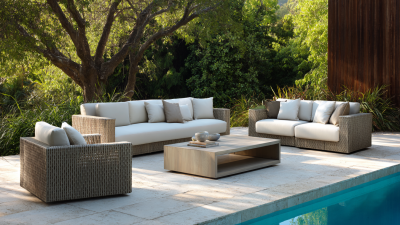
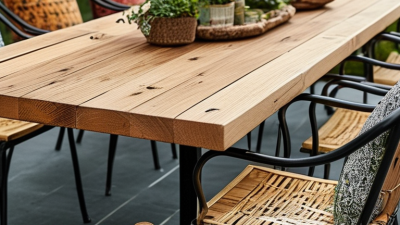
Choosing the best Garden Dining Chairs in 2026 requires more than attractive photographs and low prices. Global buyers need comfort, weather resistance, responsible materials, and dependable supply. A chair may look elegant beneath showroom lighting, yet fail after one wet season. That difference matters.
Industrial designer Patricia Urquiola has often emphasized that design should connect beauty with everyday use. Her practical principle applies here: “Good design should make daily life better.” For Garden Dining Chairs, that means a supportive backrest, stable legs, and surfaces that feel comfortable against bare skin. It also means checking drainage holes, UV resistance, rust protection, and replacement-part availability. Small details matter.
Look closely.
This guide compares popular chair materials, including powder-coated aluminum, teak, synthetic wicker, and recycled plastic. Each option has strengths and weaknesses. Aluminum is light and convenient, but poorly finished frames can scratch easily. Teak feels warm and durable, though it needs thoughtful sourcing and regular care. Recycled plastic resists moisture, yet its heavier weight may increase shipping costs. These differences affect restaurants, resorts, retailers, and household buyers across diverse climates.
We will also examine stacking ability, carton protection, seat height, cleaning demands, and supplier communication. Some recommendations may not suit every market. Coastal air, intense sunlight, monsoon rain, and winter storage create different challenges. Buyers should test samples whenever possible. A beautiful chair can still disappoint. Reliable decisions come from comparing specifications with real handling experience, not trusting claims alone.
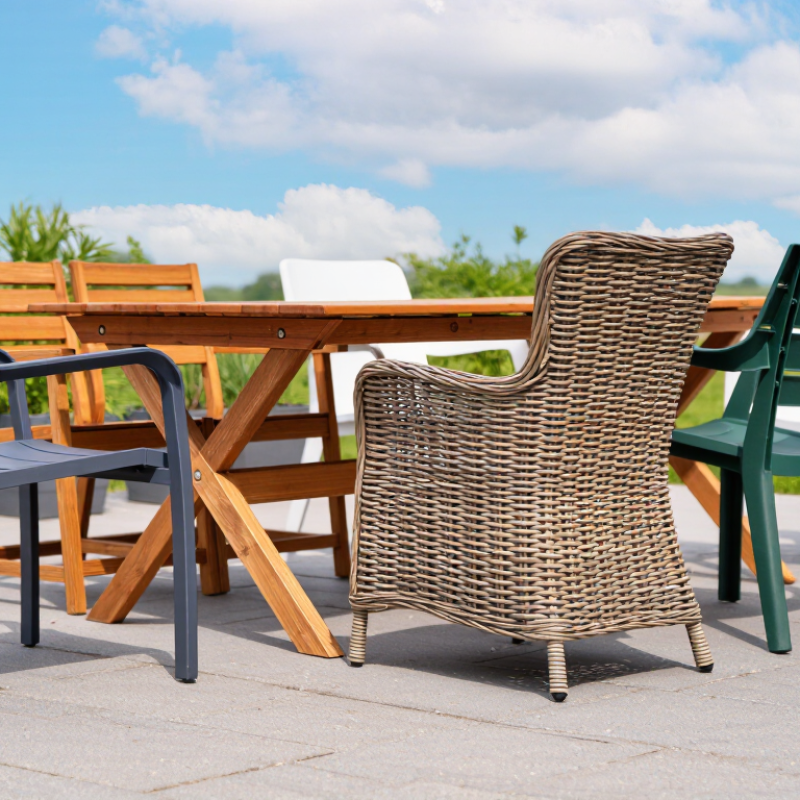
A high-quality garden dining chair in 2026 should balance comfort, weather resistance, and repairability. Global buyers often inspect materials first, but daily comfort matters just as much. A seat that feels firm for five minutes may become uncomfortable during a two-hour meal. Test the chair with different body sizes, outdoor cushions, and table heights before ordering large quantities.
Look for UV-stable finishes, rust-resistant fasteners, and drainage that prevents water from collecting under the seat. Powder-coated metal can perform well, while untreated steel may develop corrosion quickly in humid regions. Certified wood should have clear sourcing information and a finish suitable for outdoor exposure. Check the joints by applying gentle side pressure. Weak movement often reveals poor construction earlier than surface scratches.
Practical experience also shows that weight is easy to misjudge. Very light chairs move in strong coastal wind, yet heavy chairs can be difficult for older users to reposition. Stackability, replaceable glides, and accessible spare parts improve long-term value. Measurements need careful checking. A chair may fit a catalog image but leave too little knee space beneath the table. Even reliable inspections have limits, especially when color, texture, and comfort cannot be judged remotely. Ask for material samples and detailed test reports before making a global purchase.
2026 Best Garden Dining Chairs for Global Buyers
Key Materials and Weather-Resistant Construction
Outdoor chairs face sunlight, rain, humidity, dust, and repeated temperature changes. Material selection should match the buyer’s climate, not only the showroom appearance. Grand View Research valued the global outdoor furniture market at approximately USD 19.8 billion in 2023, with continued growth expected through 2030. This expansion increases the need for measurable durability.
Powder-coated aluminum offers low weight and strong corrosion resistance when the coating remains intact. Look for sealed joints and drainage openings beneath the seat. Recycled polymer and high-density polyethylene resist moisture, insects, and surface cracking better than many untreated materials. However, dark colors can become uncomfortably hot under direct sunlight. That detail is often overlooked.
Solid teak handles outdoor exposure well, especially when its natural oils remain protected. It still needs regular inspection for surface checking and loose joints. Stainless-steel fasteners are preferable near coastal areas, but the correct grade matters. ISO 4892 weathering methods and ASTM G154 ultraviolet testing can help buyers compare laboratory performance. These tests do not perfectly reproduce every climate. That limitation matters.
The American Society of Heating, Refrigerating and Air-Conditioning Engineers reports that relative humidity above 60% can encourage mold growth on vulnerable surfaces. Chairs should therefore use quick-drying cushions, breathable covers, and raised feet. Buyers should request test duration, coating thickness, UV exposure, and salt-spray results. A confident claim without those details deserves caution.
Material performance comparison for outdoor dining-chair construction. Scores use a 1–5 comparative index based on moisture resistance, UV stability, and corrosion resistance; actual performance depends on coating quality, fasteners, joint design, and maintenance.
UV-stabilized HDPE and powder-coated aluminum provide strong all-weather performance with low maintenance. Teak offers natural outdoor durability, while stainless steel is highly corrosion-resistant but may require higher material cost.
2026 Best Garden Dining Chairs for Global Buyers
Chair Styles for Different Garden Dining Settings
Garden dining chairs should match the setting, not only the table. Grand View Research values the global outdoor furniture market at about USD 20 billion in 2023. Its report also forecasts steady growth through 2030. This supports wider demand for adaptable, weather-ready seating.
For compact balconies, choose slim stacking chairs with narrow arms. They preserve walking space and move easily during cleaning. Small courtyards suit lightweight molded chairs or folding designs. Keep it movable. For large lawns, broader armchairs create a relaxed dining rhythm. Textured rope, treated timber, and powder-coated metal can add visual depth. However, material performance depends on local humidity, sunlight, and winter storage.
Covered patios allow more decorative choices, including woven backs and upholstered seat pads. Open terraces require quick-drying cushions, drainage holes, and UV-resistant finishes. Shade changes everything. A buyer in a rainy climate may value drainage more than color. That choice is less glamorous, but more reliable. Technavio’s outdoor furniture market analysis for 2024–2028 identifies replacement demand and outdoor living as important growth drivers. Buyers should still inspect load ratings, corrosion protection, seat height, and cleaning instructions. One overlooked issue is comfort after two hours. A beautiful chair can fail there. Test the angle, arm width, and cushion firmness before ordering large quantities.
| Garden Dining Setting | Recommended Chair Style | Common Material Construction | Comfort Profile | Outdoor Weather Performance | Maintenance Level | Typical Chair Dimensions | Best Purchasing Consideration |
|---|---|---|---|---|---|---|---|
| Covered Patio Protected from direct rain and strong sunlight |
Cushioned Dining Armchair | Powder-coated aluminum frame with solution-dyed polyester cushions | ★★★★★ Excellent support for long meals |
Very good under a roof; cushions should be stored dry during storms | Low to medium | Width: 56–62 cm Depth: 58–68 cm Height: 82–90 cm |
Choose removable, quick-drying covers and a seat height compatible with a 72–76 cm dining table |
| Open Courtyard Exposed to changing weather conditions |
All-Weather Textilene Chair | Aluminum frame with PVC-coated polyester mesh seat and back | ★★★★☆ Breathable and supportive |
Very good resistance to rain, humidity, and sunlight | Low | Width: 50–58 cm Depth: 55–64 cm Height: 80–90 cm |
Look for UV-resistant mesh, rust-resistant fasteners, and drainage-friendly construction |
| Poolside Dining Area High exposure to water, chlorine, and sunscreen |
Stackable Sling Dining Chair | Powder-coated aluminum or stainless-steel frame with PVC-coated fabric | ★★★★☆ Flexible support with fast drying |
Excellent when metal joints and hardware are corrosion resistant | Low | Width: 48–56 cm Depth: 54–62 cm Height: 80–88 cm |
Prioritize quick-drying surfaces, stackability, and resistance to pool chemicals |
| Contemporary Rooftop Terrace Limited space with wind and sun exposure |
Slimline Metal Side Chair | Powder-coated steel or aluminum with molded outdoor polymer seat | ★★★☆☆ Best with a shaped seat or optional cushion |
Good; aluminum is preferable where salt air or high humidity is common | Low | Width: 45–52 cm Depth: 50–58 cm Height: 78–86 cm |
Select a stable footprint, stackable design, and a finish tested for UV exposure |
| Traditional Garden Lawn Relaxed dining surrounded by plants |
Classic Slatted Armchair | Certified hardwood, teak, or treated acacia with stainless-steel hardware | ★★★★☆ Firm support with a natural feel |
Good with regular sealing; untreated wood naturally changes color outdoors | Medium to high | Width: 55–63 cm Depth: 58–67 cm Height: 84–94 cm |
Confirm kiln-dried timber, drainage gaps, smooth edges, and replacement hardware availability |
| Coastal Garden Salt-laden air and strong sunlight |
Marine-Grade Rope Dining Chair | Aluminum frame with solution-dyed outdoor rope and quick-dry foam | ★★★★☆ Comfortable and flexible |
Very good when rope, frame coating, and hardware are rated for marine exposure | Medium | Width: 54–62 cm Depth: 57–66 cm Height: 82–92 cm |
Inspect rope weave, drainage performance, and corrosion resistance before ordering |
| Balcony Dining Nook Compact urban outdoor dining |
Folding Bistro Chair | Powder-coated steel or aluminum with outdoor-grade wood or polymer slats | ★★★☆☆ Suitable for shorter meals |
Good when folded and protected during severe weather | Low to medium | Width: 42–50 cm Depth: 48–56 cm Height: 78–88 cm |
Measure the folded size, check locking points, and verify the chair fits beneath the table |
| Family Outdoor Dining Area Frequent use by adults and children |
Molded Outdoor Plastic Armchair | UV-stabilized polypropylene or high-density recycled polymer | ★★★★☆ Easy-clean ergonomic shell |
Very good if UV stabilization is specified by the manufacturer | Very low | Width: 54–60 cm Depth: 55–63 cm Height: 78–88 cm |
Choose rounded edges, stable rear legs, drainage holes, and a tested weight capacity |
| Formal Garden Dining Entertaining guests for extended occasions |
Upholstered High-Back Dining Chair | Aluminum frame, outdoor upholstery, and quick-dry foam | ★★★★★ Best for extended seated dining |
Good under partial cover; full exposure requires protective storage or covers | Medium | Width: 57–65 cm Depth: 60–70 cm Height: 88–100 cm |
Check fabric colorfastness, foam drainage, seat-to-table clearance, and cover compatibility |
| Restaurant-Style Garden High turnover and commercial-style use |
Contract Stackable Side Chair | Aluminum or galvanized steel frame with outdoor polymer or mesh seat | ★★★☆☆ Practical for regular service |
Very good when certified for outdoor commercial use | Low | Width: 46–55 cm Depth: 52–60 cm Height: 78–88 cm |
Compare stack height, tested load rating, repairability, and availability of replacement parts |
| Rainy or Humid Climate Frequent rainfall and limited drying time |
Ventilated Woven Resin Chair | Aluminum frame with all-weather resin wicker or molded resin weave | ★★★★☆ Flexible back support |
Very good if the weave is non-absorbent and the frame has drainage | Low | Width: 54–62 cm Depth: 56–66 cm Height: 80–91 cm |
Check that the weave is tightly secured and that water cannot collect inside the frame |
| Dry, Sunny Climate Strong solar exposure and low humidity |
UV-Resistant Rope or Mesh Chair | Aluminum frame with solution-dyed acrylic, polyester, or UV-stabilized rope | ★★★★☆ Breathable and suitable for warm weather |
Excellent when fabrics and finishes have documented UV resistance | Low | Width: 52–60 cm Depth: 55–65 cm Height: 80–92 cm |
Prioritize fade resistance, breathable materials, and light-colored surfaces that reduce heat absorption |
For global buyers, garden dining chairs must suit both the body and the local climate. A practical evaluation starts with seat height, back support, and arm clearance. I look for a gently curved backrest and a seat that supports without trapping heat. Test before buying. Seat cushions should dry quickly, especially in humid or rainy regions. Breathable fabric reduces discomfort during long outdoor meals.
Safety depends on construction, balance, and placement. Check whether each chair sits firmly on stone, decking, or uneven paving. Wide feet can reduce sinking on soft ground. Rounded edges help prevent scratches and minor injuries around children. In windy gardens, lighter chairs may need secure storage or careful positioning. Buyers should also check local product safety requirements, since expectations differ between markets.
Maintenance often decides whether a chair remains attractive after one season. Powder-coated metal, treated timber, and weather-resistant plastic each require different care. Rinse salt, pollen, and food stains before they harden. Avoid harsh cleaners unless the care instructions allow them. Do not trust photos alone. A chair can look sturdy online but feel unstable after an hour outdoors. I have learned that comfort testing is imperfect, because clothing, posture, and climate change the result. Still, sitting, lifting, and inspecting joints reveal more than polished descriptions.
For global buyers, garden dining chairs should be compared as complete supply packages, not attractive unit prices. I recommend requesting identical specifications from every supplier, including frame material, coating, dimensions, load capacity, cushion fabric, and carton size. Ask for a physical sample when possible. A chair can look sturdy online yet flex during a simple sit test. Check welds, drainage holes, edge finishing, and stacking stability during real handling.
Pricing needs a landed-cost worksheet. Record unit price, tooling, sample fees, packaging, inland transport, freight, insurance, duties, and payment charges. Compare quotations under identical Incoterms and order quantities. A lower factory price may become expensive when oversized cartons increase freight volume.
Request tiered pricing at 100, 500, and 1,000 chairs. Then verify production lead times for each tier. Review minimum order quantity, replacement policy, warranty scope, and inspection procedures. Reliable suppliers provide dated documents and answer technical questions directly.
Supplier evaluation should include factory experience, production capacity, quality controls, export references, and communication speed. Ask who performs final inspection and what happens when a batch fails. Independent pre-shipment inspection can reduce uncertainty, especially for first orders. Still, no checklist is perfect. A detailed quotation is not proof of consistent production. Currency movements and seasonal freight delays can also change the real cost. Record every revision, especially when a supplier changes materials, packaging, or delivery terms.