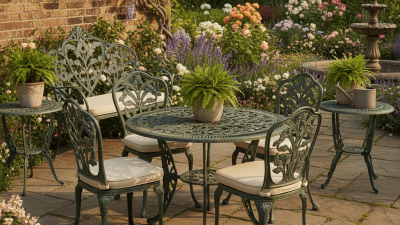
China Best Wrought Iron Garden Furniture Manufacturers?

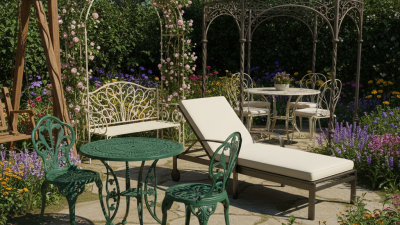
Finding China’s best wrought iron garden furniture manufacturers requires more than comparing photographs and factory prices. Quality appears in the details: clean welds, balanced frames, smooth powder coating, and hardware that does not loosen after repeated outdoor use. Wrought Iron Garden Furniture should feel stable beneath a person, not merely attractive beside a showroom wall. Experienced buyers often request material specifications, coating procedures, load tests, and close-up production images before placing an order. A reliable manufacturer should explain these points clearly and provide consistent samples.

This guide examines manufacturers through practical evidence, including factory experience, design capability, export performance, customization, and after-sales communication. It also considers how suppliers manage moisture, sunlight, packaging, and seasonal demand. A well-made chair may have a slight handmade irregularity; that is not automatically a defect. However, uneven welds or thin coating deserve careful questions. Real purchasing decisions are rarely perfect. Catalog claims can sound impressive, while a sample may reveal limitations. That is why independent inspections, written specifications, and small trial orders remain valuable. Supplier rankings can also change as equipment, management, and service teams change. Readers should verify current certifications and production capacity directly. The strongest manufacturers combine skilled workmanship with transparent communication and dependable delivery. Price matters, but replacement costs matter too. This overview aims to offer a careful, experience-informed path toward choosing durable Chinese garden furniture suppliers.
China Best Wrought Iron Garden Furniture Manufacturers?

What Defines a Leading Wrought Iron Garden Furniture Manufacturer in China?

What Defines a Leading Wrought Iron Garden Furniture Manufacturer in China?

A leading manufacturer combines metal expertise with dependable production control. Grand View Research valued the global outdoor furniture market at about USD 19.8 billion in 2022. It also forecast growth near 5.5% annually from 2023 to 2030. This demand raises quality expectations. Experienced factories use stable steel grades, accurate tube bending, and controlled welding. Inspectors should check weld penetration, frame alignment, and load performance. A professional supplier can provide material certificates, inspection records, and traceable batch numbers. Small details matter.

Weather resistance separates a capable manufacturer from a cheap workshop. Powder coating should include proper cleaning, pretreatment, and controlled curing. ASTM and ISO testing methods can support salt-spray, adhesion, and coating-thickness checks. No coating lasts forever. Coastal air remains aggressive. A reliable factory explains maintenance instead of promising unrealistic durability. It should also manage packaging carefully, using corner protection and moisture barriers. The International Trade Centre reports that China remains a major global exporter of furniture, but export scale alone does not prove quality. That point deserves attention.

Tips: Request a recent factory audit, coating test report, and production sample. Compare welds under close light. Ask how rejected parts are recorded. Check whether drawings match the final product. A low price can help. It can also hide thinner steel, rushed curing, or weak packaging. Leave room for doubt, then verify.

Key Manufacturing Regions and Production Capabilities

China’s strongest wrought iron garden furniture production is concentrated in Zhejiang, Guangdong, Jiangsu, and Fujian. Zhejiang supports dense metalworking networks and efficient export logistics. Guangdong offers stronger finishing, packaging, and custom development capabilities. Jiangsu is known for larger fabrication capacity, while Fujian supplies many outdoor living products for overseas markets.

The UN Comtrade database places China among the world’s leading exporters under HS 9403, a category covering other furniture. However, this code does not isolate wrought iron products. That limitation matters when comparing factory performance. Grand View Research reported continued global growth in outdoor furniture demand, driven by hospitality projects and residential outdoor spaces. Manufacturers with tube bending, hand forging, robotic welding, and automated powder coating can respond more consistently. Hot.

Production quality depends on process control, not factory size alone. Experienced suppliers should show weld samples, coating thickness records, salt-spray testing, and load-test procedures. EN 581 and relevant ASTM methods can help buyers define outdoor seating requirements. Powder coating usually performs better when steel is cleaned, pretreated, and cured at controlled temperatures. Some suppliers still rely heavily on manual inspection. That can create uneven welds or thin coating areas. Buyers should request batch traceability, moisture-resistant packaging details, and recent third-party test reports. A factory may offer attractive pricing, yet lack stable tooling or skilled finishing workers. That risk deserves careful review.

How Chinese Manufacturers Design and Build Wrought Iron Furniture

China Best Wrought Iron Garden Furniture Manufacturers?

Chinese wrought iron garden furniture begins with a practical design brief: climate, user comfort, and available outdoor space. Manufacturers often use steel tubes, solid bars, and laser-cut sheets to create durable frames. Designers test proportions with drawings and sample sections before full production. A curved armrest may look elegant, yet it must support weight without sharp pressure points. Small details matter.

Fabrication usually starts with cutting and bending. Skilled workers check each joint after welding, removing spatter and correcting visible gaps. Fixtures help keep table legs level and chairs consistent. Surface preparation follows, including grinding, cleaning, and rust-resistant coating. Many factories use powder coating because it forms an even finish and offers practical outdoor protection. Still, coating is not magic. Poor drainage, damaged edges, and trapped moisture can shorten service life.

Reliable manufacturers inspect dimensions, weld strength, coating coverage, and hardware before packing. They may assemble a sample chair, expose it to simulated weather, and record changes. Feedback from installers often improves later designs. In my experience, the first prototype is rarely perfect. A beautiful pattern can make a chair heavy or difficult to clean. Buyers should request material specifications, finish samples, load expectations, and inspection photos. Clear records build trust more effectively than impressive promises.

Quality Standards, Materials, Finishes, and Customization Options

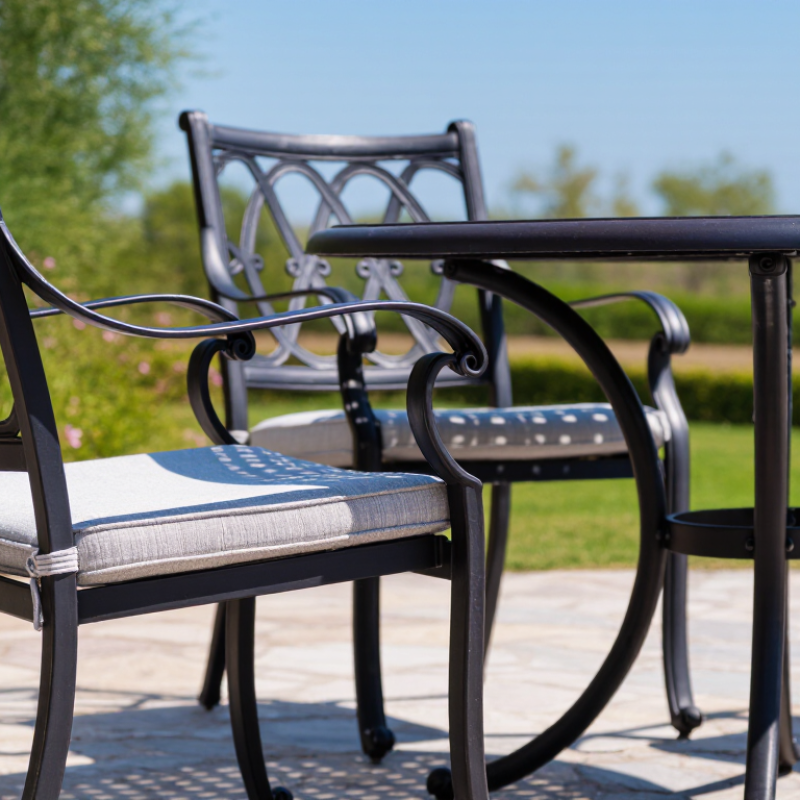
China’s best wrought iron garden furniture manufacturers treat quality as a process, not a slogan. Look for factories with documented inspections, traceable steel batches, and consistent welding procedures. Welds should appear even, fully joined, and free from sharp spatter. Small details matter. Ask for load testing, dimensional checks, and outdoor corrosion reports before placing a large order.

Material selection affects both strength and service life. Low-carbon steel is common because it bends cleanly and supports detailed shapes. Heavier tubing usually feels more stable, but it also increases shipping weight.

Some suppliers use galvanized steel beneath the finish for added protection. I would confirm the coating thickness, because “rust resistant” can mean very little without measured data. Sample the actual frame, not only a catalog image.

Finishing options may include powder coating, liquid paint, textured effects, and hand-applied aging layers.

A reliable coating system should include cleaning, pretreatment, primer where needed, and controlled curing. Salt-spray testing helps, although it cannot reproduce every garden climate. Finishes can still fade. That is normal.

Customization may cover dimensions, cushion colors, patterns, armrest shapes, stacking features, and packaging. Request a physical prototype when the design is complex. It may cost more, but it exposes weak joints and uncomfortable angles early.

Factories should also provide drawings, color samples, inspection records, and clear tolerance requirements. Vague specifications create avoidable disputes.

How to Evaluate and Select the Best Chinese Manufacturer

China Best Wrought Iron Garden Furniture Manufacturers?

Selecting a Chinese wrought iron furniture manufacturer requires more than comparing prices. Check how long the factory has produced outdoor furniture and request recent project references. Experienced suppliers should explain steel grades, tube thickness, welding methods, and surface treatments clearly. Ask for workshop photographs or arrange a video inspection. Real production evidence matters.

Review a physical sample before approving bulk production. Examine welds around joints, chair legs, and decorative details. Uneven seams often reveal rushed workmanship. Test the chair on a hard surface and check for movement. Outdoor furniture also needs dependable corrosion protection. Ask whether the factory uses powder coating, pretreatment, and controlled curing temperatures. Request coating thickness records and salt spray test reports when appropriate. Documentation is useful, but it is not perfect proof. Samples can still perform differently after shipping.

Tips: Compare at least three factories. Ask for a detailed quotation. Confirm material thickness, packaging, inspection points, replacement terms, and delivery dates in writing. A small trial order can expose problems earlier. Keep communication practical and specific. If a supplier avoids technical questions or changes specifications casually, pause the negotiation. A factory may look impressive online, yet its quality control could be inconsistent. My own evaluation would include independent inspection before shipment, because trust alone cannot measure hidden weld defects or weak coatings.