Why Choose Modern Garden Furniture for Your Outdoor Space?
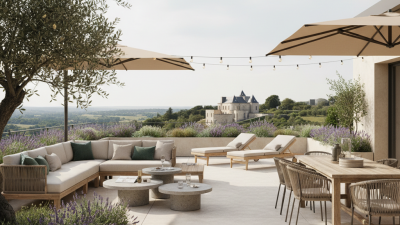
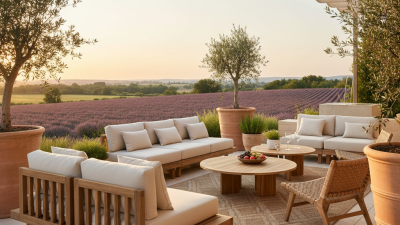
In today’s outdoor design, Modern Garden Furniture stands out for its unique blend of style and functionality. This furniture category offers a fresh perspective on outdoor living. With sleek lines and innovative materials, it transforms any space into a relaxing retreat. Choosing the right pieces can elevate your garden experience remarkably.
Quality is essential when it comes to outdoor furniture. Many customers find themselves overwhelmed by options. Not all Modern Garden Furniture is created equal. Investing in well-crafted items can ensure durability and comfort, even in varying climates. The right choice reflects personal taste and can spark joy in outdoor gatherings.
Some people may overlook the transformative power of furniture. A simple bench can change a space's vibe entirely. However, it takes careful consideration to select pieces that truly resonate. Taking the time to choose wisely can lead to a beautifully curated outdoor area that enhances your lifestyle.
Understanding Modern Garden Furniture: Key Features and Benefits
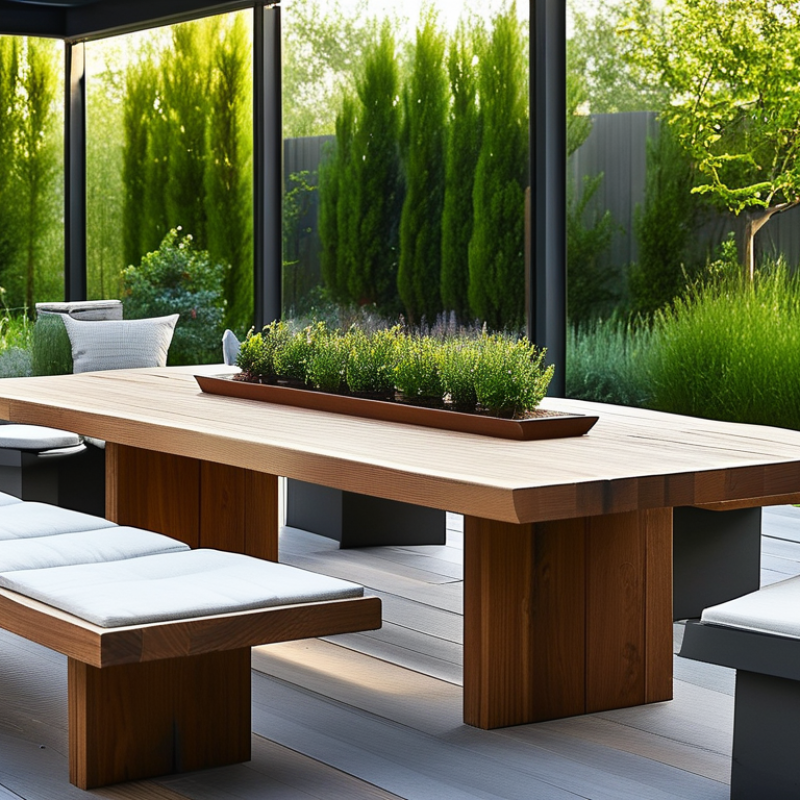
Modern garden furniture offers distinct features that elevate outdoor spaces. It emphasizes sleek lines, minimalism, and innovative materials. These elements create an appealing visual experience. Consider how the right pieces can enhance the atmosphere of your garden.
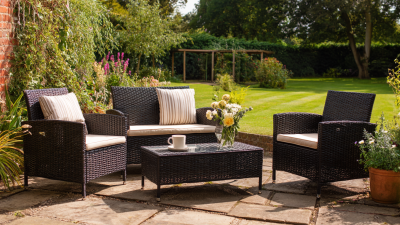
Durability is a key benefit. Many modern designs use weather-resistant materials like aluminum and synthetic rattan. These materials withstand various weather conditions. You won’t need to worry about rust or fading. Furthermore, lightweight options make it easy to rearrange your outdoor setup. This flexibility encourages creativity in your space.
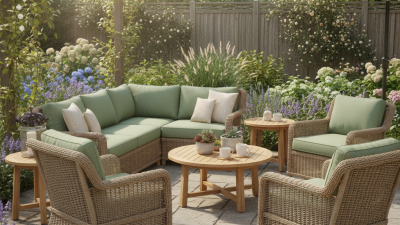
Comfort is another important aspect. Many contemporary designs feature ergonomic shapes and plush cushions. This invites relaxation, making your garden a perfect retreat. However, striking a balance between style and comfort can be challenging. Some pieces may look appealing but lack true usability. It’s vital to evaluate each item’s comfort level before making a purchase.
Why Choose Modern Garden Furniture for Your Outdoor Space?
| Feature |
Description |
Benefits |
| Durability |
Made from weather-resistant materials such as aluminum, teak, or synthetic wicker |
Lasts longer with less maintenance, ideal for outdoor exposure |
| Design Versatility |
Available in various styles, colors, and configurations |
Easily complements different outdoor aesthetics and personal taste |
| Comfort |
Ergonomic designs with cushioned options |
Enhances relaxation and enjoyment of outdoor spaces |
| Eco-Friendly Options |
Sustainable materials and manufacturing processes |
Reduces environmental impact, appealing to eco-conscious consumers |
| Easy Maintenance |
Simple cleaning and care requirements |
Saves time and effort, ensuring the furniture looks great year-round |
Materials Used in Modern Garden Furniture: Durability and Aesthetics
When selecting modern garden furniture, the materials play a crucial role. Many people opt for materials that offer both durability and aesthetic appeal. For instance, aluminum is lightweight and resistant to rust, making it a popular choice. This metal is often combined with powder-coated finishes for added protection against the elements. The clean lines of aluminum furniture bring a sleek, contemporary look to outdoor spaces.
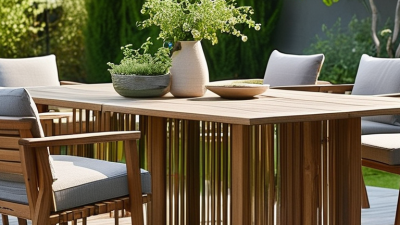
Wood is another favored option. Teak is particularly durable, with natural oils that help it withstand moisture. Its rich coloration and grain patterns enhance any garden setting. However, wood requires maintenance. Regular oiling keeps it looking fresh, so it’s not a perfect choice for everyone.
Lastly, composite materials blend the best of both worlds. They can mimic the appearance of wood while resisting weather damage. Though they don’t offer the classic look of solid wood or metal, these versatile options provide practical benefits. Balancing aesthetics with longevity is key. Choosing garden furniture should reflect personal style and the realities of outdoor living.
Comparison of Materials Used in Modern Garden Furniture
Design Trends in Modern Garden Furniture for Contemporary Spaces
Modern garden furniture embraces sleek lines and minimalistic designs. These trends suit contemporary outdoor spaces perfectly. Natural materials like teak and aluminum gain popularity. They provide durability and style. Soft, neutral colors coexist with bold, vibrant ones to create inviting atmospheres. Investing in ergonomic designs enhances comfort, making your outdoor area a functional retreat.
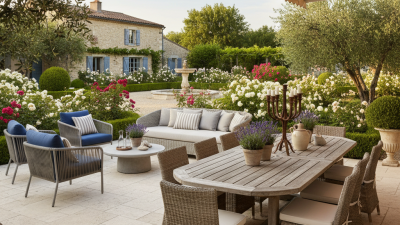
Consider adding a mix of furniture styles. For instance, blend lounge chairs with dining sets to create a dynamic look. Layering textures, like cushions and throws, adds warmth. Use weather-resistant fabrics to ensure longevity. Consider flexible arrangements that adapt to your needs.
Tip: Pay attention to scale. Large furniture can overwhelm small spaces. Likewise, delicate pieces may disappear in expansive areas. Balance is key. When choosing a color scheme, consider your garden’s plants. This will create a cohesive, harmonious look. Aim for a combination of form and function to elevate your outdoor space.
How to Choose the Right Modern Garden Furniture for Your Outdoor Area
When selecting modern garden furniture, consider the space you have. Measure your outdoor area carefully. A generous patio may require larger furniture, while a small balcony may benefit from compact, foldable options. Comfortable seating is key. Look for cushions that are weather-resistant but provide good support. Style matters, too. Match your furniture with the overall theme of your garden.
Think about materials. Metal, wood, and synthetic options all have their pros and cons. Metal can be sleek, but may get hot in the sun. Wood brings warmth, though it needs treating. Synthetic materials are often low-maintenance and durable. Check the weight of your choices; lightweight furniture can be easily moved, yet might not withstand strong winds.
Don’t forget storage solutions. If you live in an area with harsh winters or frequent rain, a storage shed or protective covers are essential. While modern designs may seem simple, ensure they are comfortable and practical. Reflect on how often you use your outdoor space and what activities you enjoy. Your furniture should suit both your aesthetic preferences and functional needs.
Caring for Your Modern Garden Furniture: Maintenance Tips and Best Practices
Caring for modern garden furniture is crucial in maintaining its elegance and durability. Regular cleaning ensures that dirt and debris do not accumulate. Use a soft cloth or sponge with mild soap to gently wipe surfaces. Avoid harsh chemicals, as they can damage the finish. Rinsing with clean water helps remove soap residues, keeping the furniture in pristine condition.
Storing furniture during harsh weather is a wise practice. If possible, invest in protective covers. These covers shield from rain, snow, and UV rays. When storing the furniture, ensure it’s completely dry to prevent mold growth. Being proactive helps extend the lifespan of your furniture.
Consider routine checks for signs of wear. Look for loose screws or fading color. Addressing these issues early can save you from costly repairs later on. Remember, even the best furniture requires attention. Reflecting on your care routine can lead to better choices in maintenance.