How to Choose the Perfect Metal Garden Furniture for You?
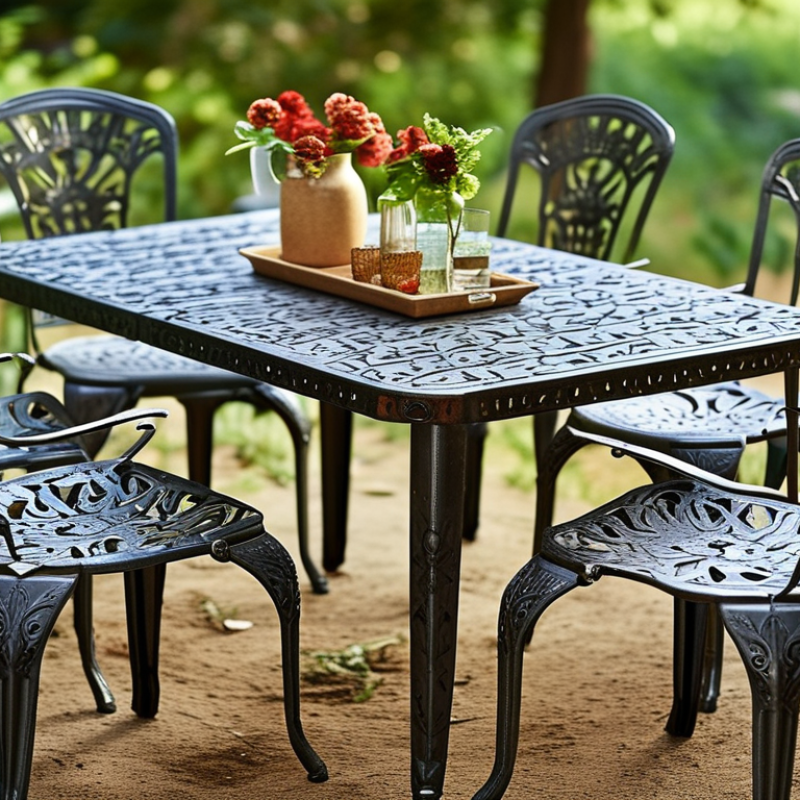
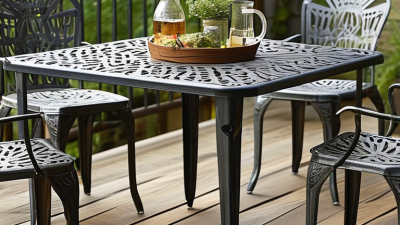
When considering your outdoor space, the choice of Metal Garden Furniture can significantly enhance its appeal. Metal options, such as aluminum or wrought iron, provide durability and style. They come in various shapes and finishes, allowing personalization to suit any garden aesthetic.
It's crucial to think about the climate in your area. Metal can be affected by rust or fading in extreme conditions. While maintenance is often minimal, some pieces may require occasional care to keep them looking fresh. Selecting the right color can also impact the overall ambiance.
Reflect on your usage needs. Will the furniture be used for dining, lounging, or both? Consider the layout of your garden and how the furniture will fit. The right Metal Garden Furniture can create a welcoming environment for gatherings or quiet relaxation. Make informed choices to ensure you invest wisely in your outdoor space.
Factors to Consider When Choosing Metal Garden Furniture
When selecting metal garden furniture, several factors play a crucial role. Consider the material type.
Aluminum is lightweight and resistant to rust, while wrought iron offers sturdiness and a classic aesthetic.
According to a 2021 report by the Garden Furniture Association, 60% of consumers prefer aluminum for its maintenance ease.
However, many overlook the aesthetic appeal of cast iron.
Another significant factor is the finish. Opting for powder-coated furniture adds extra protection against the elements.
Research shows that outdoor furniture with powder coating lasts 25% longer than untreated pieces.
Durability is not only important but also reflective of your investment. You want furniture that weathers well over time, reducing replacement costs.
Comfort should not be neglected. Many people choose visually appealing models but later find them less comfortable.
Ergonomic designs designed to fit the body’s natural posture are essential. Remember that functionality matters, especially
for outdoor settings where comfort enhances the experience. Reflect on your personal style and space before making a decision,
ensuring that your choices align with practicality and aesthetic appeal.
Popular Metal Materials and Their Benefits for Garden Usage
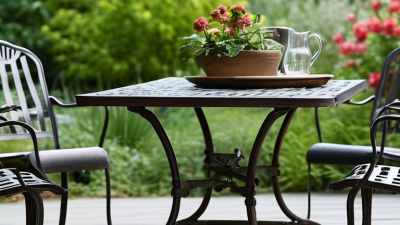
When selecting metal garden furniture, it's essential to understand the materials used. Aluminum, steel, and wrought iron are popular choices, each offering unique advantages. Aluminum is lightweight and resistant to rust. It works well in humid climates. Steel, while heavier, provides strength and durability, perfect for windy areas. Wrought iron has a classic look, ideal for designers aiming for elegance.
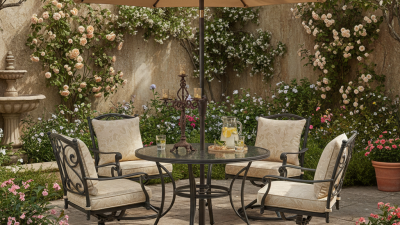
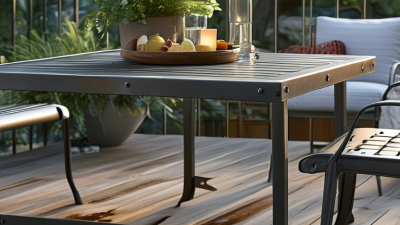
Consider your garden's style when choosing. A modern space may benefit from sleek aluminum, while a traditional garden pairs well with ornate wrought iron. Don't forget maintenance. Aluminum requires less upkeep than wrought iron. Steel may need periodic rust prevention, especially in wet conditions.
Tips: Test out the comfort of the furniture before purchasing. Sit on it and see if you enjoy the feel. Look for furniture with powder-coated finishes for added protection against the elements. Be mindful of weight, especially if you want to move pieces around your garden. Each material has its merits, and a little research goes a long way.
Durability and Maintenance: Key Aspects of Metal Garden Furniture
When choosing metal garden furniture, durability is a crucial factor. Metal seating can withstand various weather conditions. Options like aluminum or wrought iron resist rusting and corrosion effectively. Yet, not all metal finishes hold up equally. You should check for powder coating or galvanization, which enhance longevity.
Maintenance is another key aspect. Metal furniture may require occasional cleaning to prevent dirt buildup. A simple soapy water solution can keep surfaces looking fresh. Pay attention to scratches or chips. They can expose the metal beneath, leading to rust over time. A touch-up paint could fix minor issues.
You might find the weight of metal furniture challenging. Heavier pieces provide stability but can be cumbersome to rearrange. Lightweight materials offer flexibility but may not endure strong winds. Balancing these factors is essential to finding what suits your garden best.
Design Styles and Aesthetic Appeal for Outdoor Spaces
When selecting metal garden furniture, considering design styles is crucial for enhancing outdoor aesthetics. A well-chosen set can transform your patio into a cozy retreat. According to industry reports, 70% of homeowners prioritize aesthetics in outdoor furniture choices. Classic styles like wrought iron provide a timeless look. Alternatively, sleek aluminum options can offer a modern touch, appealing to contemporary tastes.
Tip: Think about your garden's theme. Rustic designs work well with natural landscapes. In contrast, minimalist furniture can complement modern architecture. Choose colors that either match or contrast the surrounding environment. Warm hues invite relaxation, while bold shades add excitement.
Comfort is as important as style. While intricate designs may draw you in, ensure the furniture feels good to use. Research shows that 60% of people regret choosing aesthetics over comfort in outdoor furniture. Test out pieces before purchasing.
Tip: Look for cushions made of weather-resistant fabric. These can enhance comfort and maintain the furniture’s aesthetic appeal. Investing in high-quality materials can save you money in the long run, as they endure weather changes better.
Cost Analysis: Evaluating Budget for Metal Garden Furniture Choices
When considering metal garden furniture, cost plays a crucial role. Reports indicate that the average cost of quality metal outdoor furniture can range from $300 to $2,500, depending on material and craftsmanship. Aluminum sets tend to be less expensive, averaging around $400, while wrought iron can reach upwards of $2,000. This variation makes it essential to identify what fits within your budget.
One must also think about longevity. Investing in high-quality metal furniture might seem steep at first. However, research shows that top-notch pieces can last over ten years. Cheaper alternatives usually require more frequent replacement, ultimately increasing your spending. Evaluating the long-term costs can often lead to better financial decisions, even if the initial purchase feels heavy.
Reflecting on practicality is vital. Heavier furniture can withstand wind, but it can be cumbersome to move. Conversely, lightweight pieces are easy to relocate, but they may not be as durable. Balancing these aspects against your budget can be challenging. Many consumers overlook this and later face buyer’s remorse when their choice does not meet their needs. Consider these factors carefully to ensure your investment is both financially sound and satisfying in the long run.