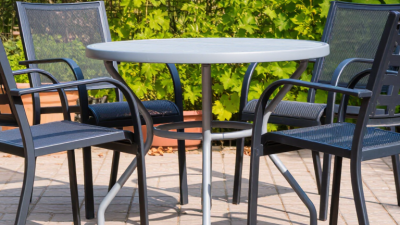
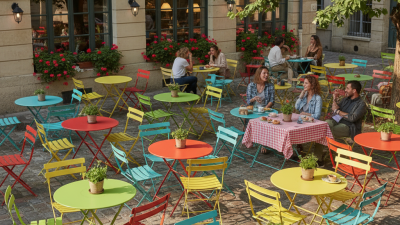
Global buyers face a practical question: which Metal Garden Chairs will remain safe, attractive, and comfortable outdoors? The answer depends on more than appearance. Steel grade, protective coating, drainage, welding quality, packaging, and local climate all influence long-term value. A chair beside a salty coastline needs different protection from one used in a dry continental garden.
Grand View Research valued the global outdoor furniture market at approximately USD 48.46 billion in 2023. Its report projects a compound annual growth rate of about 5.2% from 2024 to 2030. These figures suggest expanding demand, but they do not guarantee reliable products. Buyer judgment still matters. A low price can conceal thin tubing, weak joints, or fragile powder coating.
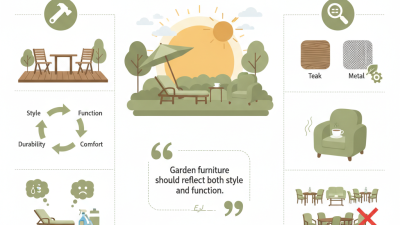
Industrial designer Dieter Rams offered a useful principle: “Good design is as little design as possible.” For Metal Garden Chairs, this means avoiding decorative parts that trap water or create cleaning problems. It also means examining practical details, such as rounded edges, stable feet, stackability, and replaceable protective caps.
This guide uses procurement experience, material knowledge, and recognized market research to support better decisions. It considers international shipping, supplier communication, maintenance expectations, and responsible sourcing. Some recommendations will not suit every market. That is the uncomfortable part. A chair that performs well in Germany may corrode faster in Singapore. Global buyers should test samples, request coating specifications, and verify performance before placing large orders.
How to Choose Metal Garden Chairs for Global Buyers?
Defining requirements is the practical starting point for selecting metal garden chairs. Consider the climate, intended use, user weight, and available space. Coastal areas need stronger corrosion resistance because salt air attacks exposed metal quickly. Humid regions may require durable powder coating, sealed joints, and reliable drainage holes. Ask for the metal type, tube thickness, surface treatment, and load-test records. These details reveal more than attractive product photographs.
Comfort also deserves careful measurement. Check seat height, seat depth, back angle, and armrest clearance. A chair may look elegant but feel rigid after thirty minutes. Stackable designs can reduce warehouse space, while folding models may simplify seasonal storage. However, hinges and joints need close inspection. They can loosen with frequent movement. Packaging is another requirement. Corner protection, moisture barriers, and stable cartons help prevent scratches during long-distance shipping. I have found that small packaging defects can create expensive quality disputes.
Tips: Create a written specification sheet before requesting quotations. Include dimensions, finish color, tolerance limits, testing needs, and packaging photos. Request production samples when possible. A sample may expose uneven coating or uncomfortable edges. Do not rely only on supplier claims; compare documents, inspect details, and record approval criteria. Requirements sometimes change after testing. That is normal. Allow room for careful revision.
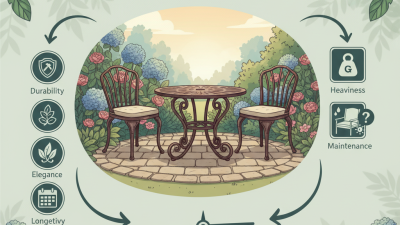
Metal choice affects weight, strength, maintenance, and shipping costs. Aluminum chairs are light, rust-resistant, and suitable for balconies or coastal patios. However, thin aluminum frames may bend under heavy use. Steel provides stronger support and usually costs less. It needs galvanizing, e-coating, or a durable powder-coated finish to resist corrosion. Wrought iron looks substantial and decorative, but it is heavy and demands careful rust control. Stainless steel offers excellent corrosion resistance, although its higher price may limit large projects.
Tips: Check the frame joints, drainage holes, weld quality, and coating thickness. Run a fingernail lightly across the finish. It should feel even, without bubbles or exposed metal. For salty air, select marine-suitable materials and inspect hidden areas beneath the seat. In wet climates, chairs should dry quickly after rain. Rubber feet can reduce standing water and protect tiled surfaces. Small details matter.
Finishes influence both appearance and service life. Powder coating usually creates a consistent surface, but poor preparation can cause peeling. Galvanized steel performs well outdoors, yet its surface may look industrial. Dark colors absorb more heat in direct sun. Light colors can show dirt sooner. There is no perfect finish.
In practical inspections, even a good chair can fail when water remains inside its tubing. Buyers should request weather-resistance test information and confirm cleaning instructions. Regional exposure, not appearance alone, should guide the final selection.
How to Choose Metal Garden Chairs for Global Buyers?
When evaluating metal garden chairs, study the design beyond its appearance. A curved backrest can support the lower spine during long meals. Rounded front edges reduce pressure behind the knees. Check the seat width, seat height, and armrest spacing against local user preferences. A chair that suits a tall European customer may feel restrictive for another market. Measure carefully.
Comfort also depends on surface temperature and ventilation. Perforated seats allow rainwater to escape and improve airflow on humid patios. In hot climates, dark metal can become uncomfortable under direct sunlight. A breathable cushion helps, but it should dry quickly and resist mildew. Test the chair with different body sizes, not only with showroom staff. I once underestimated armrest height, and shorter users found the table difficult to reach.
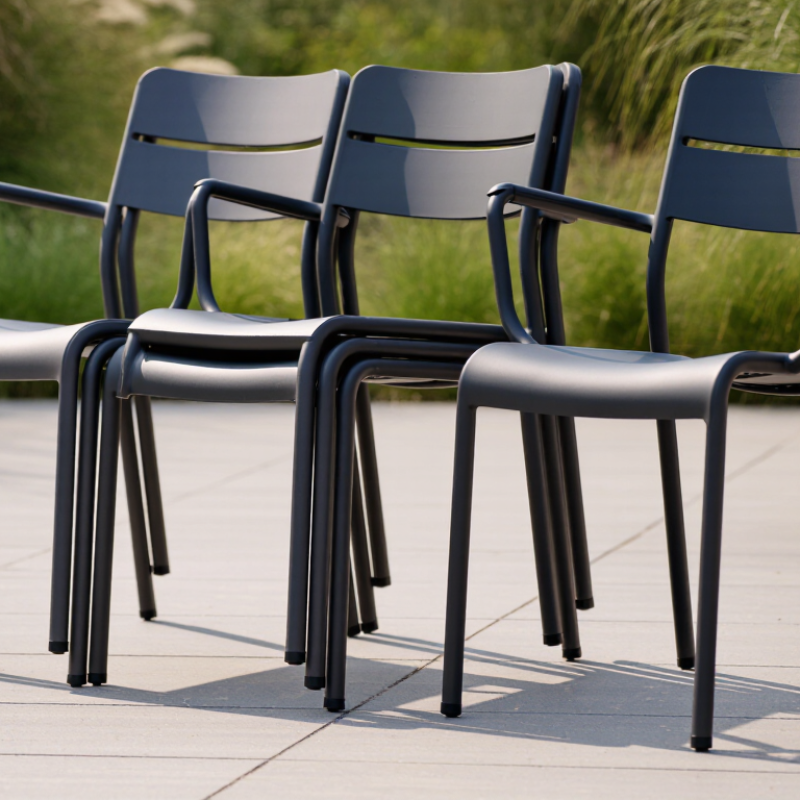
Practical features affect shipping, maintenance, and daily use. Stackable frames reduce storage volume and may lower freight costs. Protective feet help prevent scratches on stone, wood, and ceramic surfaces. Inspect welds, hinges, and drainage points before placing a large order. For coastal areas, corrosion-resistant finishes need careful testing with salt exposure. Ask for coating thickness data and sample chairs. A heavy frame may feel stable, but it can frustrate hotel staff during repositioning. Lightweight designs can also tip in strong wind. The right balance depends on the site, not just the catalogue.
Use this comparison table to match chair construction, comfort, durability, and logistics requirements with different outdoor applications and climate conditions.
| Chair Design | Typical Frame Material | Seat and Back Configuration | Comfort and Ergonomic Features | Typical Outdoor Durability | Approx. Load Capacity | Storage and Transport | Best-Fit Application |
|---|---|---|---|---|---|---|---|
| Stackable Dining Chair | Powder-coated steel or aluminum tube | Slatted metal seat and back; optional seat cushion | Moderate comfort; a slightly curved back and detachable cushion improve longer meals | ★★★★☆ Good when the coating is properly applied and maintained |
Approximately 120–150 kg | Stackable Usually 4–8 chairs per stack; efficient for hospitality storage |
Patios, cafés, restaurants, balconies, and outdoor dining areas |
| Aluminum Sling Chair | Powder-coated aluminum frame | Textile sling seat and back stretched over the frame | Good ventilation, flexible support, and fast drying after light rain | ★★★★★ Strong resistance to rust in humid and coastal environments |
Approximately 110–135 kg | Lightweight Easy to carry; often stackable or foldable |
Poolside areas, resorts, coastal homes, and hot climates |
| Folding Bistro Chair | Powder-coated steel or aluminum | Metal slats or perforated metal panels with a folding frame | Moderate comfort; compact design may provide less lumbar support | ★★★☆☆ Suitable for normal outdoor use when stored during severe weather |
Approximately 100–130 kg | Folding Excellent for temporary layouts, events, and seasonal storage |
Small balconies, event venues, sidewalk cafés, and rental properties |
| Adjustable Reclining Chair | Aluminum frame with steel hardware | Multi-position backrest with mesh, sling, or padded surface | High comfort; adjustable recline and optional headrest support reading and relaxation | ★★★★☆ Good durability; moving parts require periodic inspection |
Approximately 110–140 kg | Partly foldable More storage space required than fixed dining chairs |
Gardens, terraces, sunrooms, resorts, and leisure areas |
| Perforated Metal Chair | Galvanized steel or powder-coated steel | Laser-cut or punched seat and back panels | Moderate comfort; perforations improve airflow and reduce standing water | ★★★★☆ Good resistance when drainage holes and coating coverage are adequate |
Approximately 120–150 kg | Often stackable Solid construction but heavier than aluminum alternatives |
Public gardens, commercial terraces, parks, and high-use dining areas |
| Wrought-Style Steel Chair | Solid steel with powder coating or multi-layer outdoor paint | Decorative metalwork; usually paired with a cushion | Moderate comfort; cushion thickness and back angle are important for extended seating | ★★★☆☆ Durable but more sensitive to chipped coating and trapped moisture |
Approximately 120–160 kg | Usually fixed Heavier and less space-efficient for shipping or frequent relocation |
Traditional gardens, restaurants, courtyards, and heritage-style projects |
| Ergonomic Armchair | Aluminum or corrosion-protected steel frame | Wide seat, supportive backrest, and integrated armrests | High comfort; armrests make standing and sitting easier for many users | ★★★★☆ Suitable for regular outdoor use with proper drainage and cleaning |
Approximately 120–150 kg | Limited stacking Armrests increase storage volume; nesting designs improve efficiency |
Hotels, restaurants, residential gardens, and accessible seating areas |
| Commercial Heavy-Duty Chair | Reinforced galvanized steel or thick-wall aluminum | Reinforced seat and back with replaceable slats, panels, or cushions | Good to high comfort; designed for frequent use and a broad user range | ★★★★★ Best suited to high-traffic outdoor environments when inspected regularly |
Approximately 150–180 kg | Stackable or nesting Prioritize stable stacks and reinforced joints for repeated handling |
Hospitality venues, public facilities, campuses, and rental operations |
How to Choose Metal Garden Chairs for Global Buyers?
Metal garden chairs should be judged beyond their appearance. In practical sourcing, inspect the frame thickness, weld consistency, leg balance, and coating coverage. Run a load test with repeated weight, not only a single static test. Check the joints. A chair that rocks on a flat floor may create safety concerns after outdoor use.
Ask suppliers which safety standards apply to your destination market. Requirements may address stability, sharp edges, corrosion resistance, and load performance. Request current laboratory reports, test methods, and product identification on every document. Salt-spray results can indicate coating durability, but they do not perfectly predict every climate. Coastal humidity, winter salt, and strong sunlight may expose different weaknesses.
Supplier reliability requires evidence over promises. Review factory quality procedures, material traceability, inspection records, and corrective-action reports. Request a production sample from the same line used for bulk orders. Confirm packaging protects corners and painted surfaces during long transport. Ask for clear tolerances, delivery schedules, and an agreed inspection process. A polished sample can hide inconsistent welding in later batches. I have seen this happen. Small issues become expensive claims. Keep written records, and compare actual performance with the supplier’s declared specifications before approving volume production.
Global purchasing starts with the environment, not the catalog photograph. A chair for a humid coast needs stronger corrosion protection than one for a dry inland patio. Check the metal type, coating thickness, weld quality, and drainage points. Ask for recent test reports, finish samples, and production photos. Color can vary between samples and mass production. That small mismatch may affect a large hospitality project.
Shipping needs equal attention. Confirm packed dimensions, chair weight, stackability, and carton strength before placing an order. A stackable design can reduce container space, but unstable stacking may cause scratches or bent legs. Use corner protection and moisture-resistant packaging for long sea routes. Clarify inspection timing, spare-part quantities, and delivery responsibilities in writing. Freight estimates can change, so leave room in the budget.
Tips: Measure the storage area first. Keep two spare chairs for early replacements. Record the coating color and surface condition at arrival. During maintenance, remove standing water and clean salt deposits with mild soap. Avoid abrasive pads, which can expose bare metal. Inspect welds, feet, and fasteners each season. Some finishes last longer than expected; others fail early in shaded, damp corners. That uncertainty deserves a practical replacement plan.