10 Tips for Buying Metal Garden Furniture
Buying Metal Garden Furniture can transform an outdoor space, but attractive designs do not guarantee lasting value. A chair may look sturdy in a showroom and wobble on uneven paving. A table may resist rain yet develop rust around poorly sealed joints. Careful buying requires more than matching colors with flowerpots. It involves checking materials, construction, comfort, safety, and maintenance needs.
This guide presents ten practical tips based on common outdoor furniture assessments and real purchasing experiences. Look closely at welds, frame thickness, protective coatings, drainage holes, and hardware quality. Powder-coated steel often offers strong surface protection, while aluminum provides lighter handling and natural resistance to rust. However, neither material is maintenance-free. Sunlight can fade finishes, standing water can stain surfaces, and coastal air can accelerate corrosion. Small details matter.
Comfort deserves equal attention. Sit in each chair, test the table height, and imagine carrying the pieces indoors during severe weather. Measure paths, gates, balconies, and storage areas before paying. I once chose a beautiful metal bench that barely passed through the garden gate. It was a frustrating mistake. Warranties and care instructions also reveal how confidently a manufacturer supports its product. Still, labels can sound impressive without proving durability. Read independent reviews, inspect customer photos, and question unclear claims. The best choice may not be the most expensive one. It should suit your climate, space, habits, and willingness to maintain it. Good furniture should feel dependable on an ordinary Tuesday, not only look impressive in a catalog.
Define Your Space, Climate, and Furniture Requirements
10 Tips for Buying Metal Garden Furniture
Define Your Space, Climate, and Furniture Requirements
Begin with the space, not the furniture. Measure the patio, balcony, or lawn before browsing metal pieces. Leave at least 60 centimeters for comfortable walking around each chair. Mark door swings and drainage areas with chalk. A beautiful table can still make a small terrace feel cramped.
Your climate should guide the metal and finish. Coastal air carries salt, which can accelerate corrosion on exposed surfaces. Frequent rain requires sealed joints and drainage-friendly designs. In hot regions, dark metal can become uncomfortable under direct sunlight. Consider cushions, shade, and breathable covers. Check the care instructions carefully. They reveal more than attractive photographs.
Think about how you actually live outdoors. Do children move chairs often? Choose manageable weight and rounded edges. Do you host long dinners? Look for stable legs, supportive backs, and enough elbow room. Stackable chairs can help, but stacking them carelessly may scratch the finish. I learned that the hard way.
Inspect welds, screws, and underside coatings before purchase. Uneven welds may suggest weaker construction, although appearance alone cannot prove durability. Ask how replacement parts and touch-up repairs are handled. Furniture should match your maintenance habits, not an imaginary version of them. A neglected protective cover can trap moisture, so ventilation matters. Test one chair before buying a complete set.
Compare Metal Types, Strength, and Weather Resistance
Choosing metal garden furniture starts with matching the metal to your climate, not its appearance. Steel usually offers excellent strength and stability, but untreated steel can rust quickly in humid or coastal air. Look for hot-dip galvanizing, powder coating, or both. The American Galvanizers Association reports that galvanized coatings can protect steel for decades, depending on exposure conditions. Inspect welds, corners, and drainage holes carefully. Water trapped inside a frame causes hidden corrosion.
Aluminum is lighter and naturally forms a protective oxide layer. It suits balconies, patios, and furniture that must be moved often. However, thin aluminum tubing may bend under concentrated weight. Check wall thickness, joint design, and the manufacturer’s load information.
Stainless steel resists rust better, especially near saltwater, but its performance depends on the alloy and surface finish. A rough or scratched surface can still collect contaminants. The NACE IMPACT study estimated global corrosion costs at 3.4% of worldwide economic output, showing why surface protection deserves attention.
Test the chair before buying it. Rock it gently. Listen for movement. Sharp edges, loose fasteners, and uneven feet suggest weak quality control. ASTM B117 salt-spray results can help compare coatings, but they do not perfectly predict outdoor service life. That limitation matters. Plan to wash coastal furniture regularly, cover it during long wet periods, and touch up damaged coatings promptly. Heavy is not always stronger; poor drainage can make a heavy frame fail sooner.
Evaluate Coatings, Maintenance Needs, and Expected Lifespan
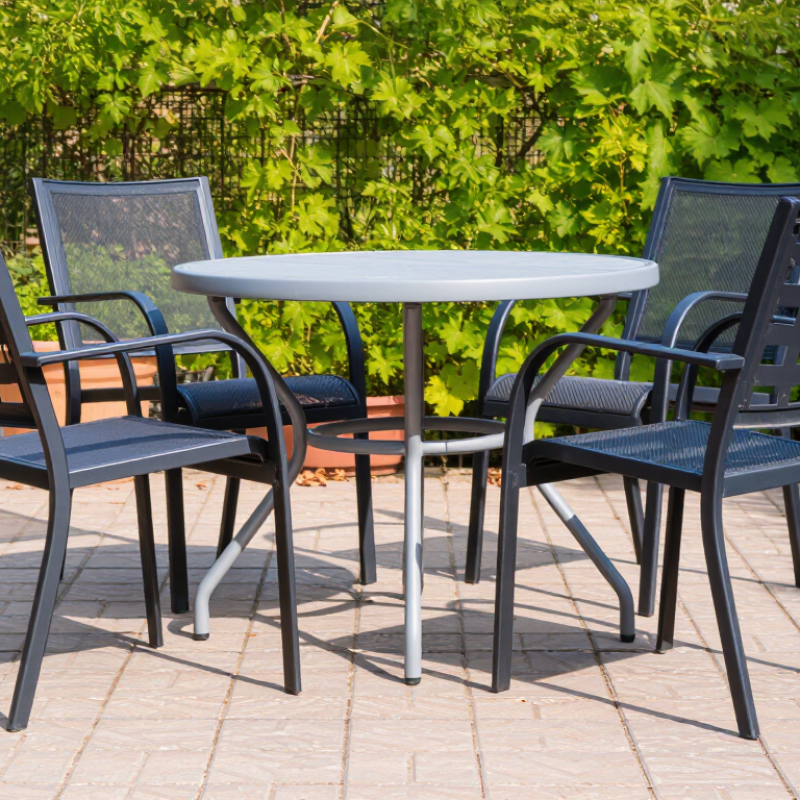
When buying metal garden furniture, inspect the coating before admiring the design. A smooth, even finish should cover corners, welds, and the underside. Look for bubbles, thin patches, scratches, or exposed steel. Powder-coated surfaces usually resist weather well, but poor application can still invite rust. Galvanized steel offers another protective layer, while stainless steel suits damp coastal gardens better. Ask how the metal was treated, not just how it looks.
Maintenance needs should match your routine. Wipe pollen, bird droppings, and standing water away with mild soap and clean water. Avoid harsh abrasives. They can dull protective finishes quickly. Check joints and fasteners every few months. Tighten loose hardware before movement enlarges the holes. Touch-up paint can slow a small scratch, although it rarely matches perfectly. I have learned that neglected drainage causes more trouble than ordinary rain.
Expected lifespan depends on climate, construction, and care. Examine welds closely; uneven beads may signal rushed manufacturing. Chairs should feel stable without twisting under normal pressure. Store cushions indoors and raise furniture from constantly wet ground. In freezing areas, water trapped inside hollow frames can expand and damage seams. Coastal air demands more frequent rinsing. A manufacturer’s lifespan estimate is useful, but it is not a promise. Even well-made furniture may age sooner in full sun, heavy rain, or salty air. Allow room for that uncertainty when comparing prices.
Balance Price, Warranty, Delivery, and Long-Term Value
10 Tips for Buying Metal Garden Furniture
Price should be your starting point, not your decision. Compare frame material, coating quality, welds, fasteners, cushions, dimensions, and replacement-part access. Powder-coated steel can offer strength, while aluminum resists rust and remains easier to move. Check corners and joints closely. Thin tubing may look attractive but feel unstable after repeated use. I once chose a cheaper chair with loose welds. It needed repairs within one season.
Warranty details often reveal more than advertising claims. Confirm whether coverage includes structural failure, corrosion, peeling, and broken welds. Ask about exclusions, maintenance requirements, and the process for making a claim. A short warranty is not always poor, but vague wording deserves caution. Read every clause. Keep your receipt and product records.
Delivery affects real cost. Measure gates, stairs, and storage areas before ordering. Request protective packaging for painted surfaces, then inspect every panel before signing. Small scratches can spread. Calculate freight, assembly, replacement hardware, and seasonal storage expenses. A higher-priced set may deliver better value if it stays stable for ten years. Still, long life requires cleaning, dry storage, and prompt touch-up work. I sometimes underestimate maintenance time, so I now include it in my budget. Compare the full ownership cost, not only the price shown online.
10 Tips for Buying Metal Garden Furniture: Balance Price, Warranty, Delivery, and Long-Term Value
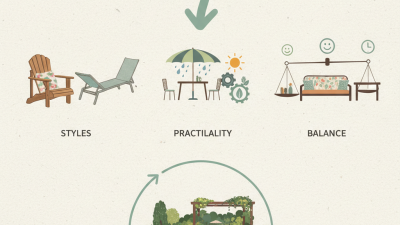
This practical 100-point buying model emphasizes long-term value rather than the lowest upfront price. Check material durability, corrosion protection, comfort, warranty coverage, delivery conditions, maintenance needs, and total ownership cost before making a purchase.