What Are the Top 10 Wooden Garden Furniture Types?
Outdoor living is becoming a practical extension of the home, not merely a seasonal luxury. Grand View Research identifies the global outdoor furniture market as a steadily expanding sector, supported by urban living, balcony use, and increased home improvement spending. Its market analysis also highlights wood, metal, and plastic as major material categories. However, broad market figures do not measure Wooden Garden Furniture alone. That limitation matters.
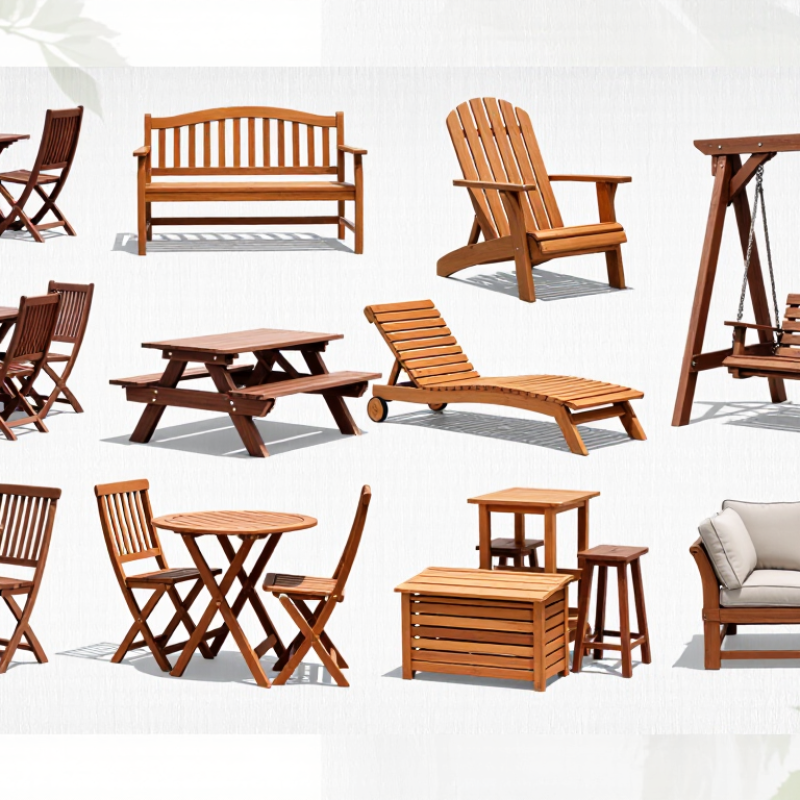
This guide examines ten useful types, including wooden dining sets, benches, Adirondack chairs, loungers, swings, picnic tables, bistro sets, bar furniture, storage benches, and garden sofas. Each type offers a different balance of comfort, maintenance, space efficiency, and visual character. A teak lounger may suit a sunny poolside, while an acacia bench can make a narrow path feel welcoming. Small details matter. Rounded edges matter. Stable joints matter more.
Professional purchasing decisions should consider timber origin, moisture resistance, joinery, surface treatment, and repairability. The Forest Stewardship Council’s market reporting shows growing recognition of responsibly sourced forest products, although certification alone does not guarantee perfect furniture quality. The American Society for Testing and Materials also publishes outdoor furniture safety and performance standards, giving buyers useful technical reference points. Still, real performance depends on climate, construction, and maintenance. Even excellent wood can crack when neglected. That is easy to forget.
The following overview compares the top ten Wooden Garden Furniture types through practical use, appearance, durability, and upkeep. It aims to support informed choices, while acknowledging that no single design suits every garden, budget, or weather condition.
Definition and Classification of Wooden Garden Furniture
What Are the Top 10 Wooden Garden Furniture Types?
Wooden garden furniture refers to movable outdoor furnishings made mainly from natural timber. It supports dining, resting, socializing, and storage in open-air spaces. Unlike indoor furniture, it must handle sunlight, rain, soil moisture, and temperature changes. Timber selection, joint quality, drainage, and surface protection all affect service life.
The ten common types are dining tables, dining chairs, garden benches, Adirondack chairs, rocking chairs, sun loungers, swings, coffee tables, side tables, and storage boxes.
This list classifies furniture by its primary function. Dining tables and chairs support outdoor meals. Benches and Adirondack chairs provide relaxed seating. Rocking chairs and swings add movement.
Sun loungers suit quiet rest beside a lawn or pool. Coffee and side tables hold drinks, books, or gardening tools. Storage boxes protect cushions from overnight dampness.
A second classification considers structure and placement. Fixed benches suit patios and public-style gardens, while folding chairs work better on small balconies. Slatted surfaces improve airflow after rain. Raised feet reduce contact with wet paving.
Experienced buyers should check smooth edges, strong joints, and concealed water traps. A dense hardwood may resist weather well, but it can still crack without regular care. Softwood can perform reliably when properly treated, although its coating may need earlier renewal.
This classification is useful, but not perfect; one swing may also function as a lounge seat, depending on the garden and the user.
Top 10 Wooden Garden Furniture Types by Function
Outdoor furniture works best when its function matches daily habits.
A wooden dining table anchors shared meals, while matching dining chairs support upright, comfortable seating. A garden bench suits flexible seating and welcomes muddy shoes. An Adirondack chair offers relaxed support for reading or conversation. A chaise lounge works well beside a pool, but needs quick-drying cushions.
A low coffee table keeps drinks and plates within reach during outdoor gatherings. A compact side table gives one person a useful surface without crowding the patio. A storage bench hides cushions, gardening gloves, and small tools. An outdoor bar table with stools suits narrow balconies and casual breakfasts. A wooden swing creates a gentle resting place, though its frame needs careful installation.
I once placed a storage bench under constant rain, and the lid warped within months.
That mistake changed my buying habits. Check drainage, wood treatment, and sealed end grain before choosing furniture.
Dense hardwood often resists wear, while treated softwood can offer good value with regular maintenance. Stainless or corrosion-resistant fasteners help prevent dark stains around joints. Inspect screws, hinges, and load-bearing connections each season. A slightly rough surface may need sanding, but over-sanding can weaken protective coatings. Furniture should feel sturdy, not merely look attractive.
Key Materials, Wood Species, and Construction Features
Outdoor furniture performs best when its material suits its exposure. From inspecting garden settings, I rank these ten types highly: dining tables, dining chairs, benches, loungers, Adirondack chairs, swing seats, picnic tables, bar stools, storage boxes, and side tables.
Teak remains dependable because its natural oils resist moisture and insects. However, it still needs cleaning and proper drainage. Cedar is lighter, aromatic, and naturally decay resistant, but it dents more easily. Eucalyptus offers strength at a reasonable cost, while acacia provides attractive grain and useful hardness. Soft pine can perform well with exterior treatment, although neglected coatings often crack. That detail is easy to underestimate.
Construction matters as much as wood species. Look for mortise-and-tenon joints, stainless or galvanized fasteners, and rounded edges. Slatted seats allow rain to escape. Thick legs reduce wobble, while cross-bracing improves stability on uneven paving. Dining tables need reinforced corners and protected end grain. Loungers require adjustable hardware that locks firmly. Storage boxes should have ventilation, raised feet, and a water-shedding lid. Some attractive frames fail because screws enter end grain directly. Wood also expands and contracts, so overly rigid joints can split. Check every joint after one wet winter.
Maintenance, Weather Protection, and Long-Term Use
What Are the Top 10 Wooden Garden Furniture Types?
Wooden garden furniture includes benches, dining sets, Adirondack chairs, loungers, rocking chairs, swings, stools, coffee tables, picnic tables, and storage boxes. Each type needs regular care because outdoor moisture enters small cracks and joints. I have found that shaded furniture often lasts longer, but shade alone cannot prevent dampness. Clean the surface every few weeks with mild soapy water and a soft brush. Avoid pressure washing, which can roughen the grain and force water into joints. Allow the wood to dry fully before applying outdoor oil or a suitable protective finish.
Weather protection should match the local climate. Use breathable covers during heavy rain, but remove them on warm, humid days. Trapped moisture can encourage mildew. Raise table legs slightly from wet paving, and keep chairs away from constantly dripping roofs. Inspect screws, joints, and end grains each season. A loose joint may seem harmless, yet it can worsen after repeated movement. Small repairs are usually easier and cheaper than replacing a whole chair. Still, finishes do not last forever. I sometimes underestimated how quickly sun exposure faded horizontal surfaces.
Tips: Wipe spills immediately, especially oil and sugary drinks. Sand rough patches lightly before refinishing. Store cushions indoors during storms. Do not drag heavy furniture across stone, because the joints may loosen. Record the treatment date, although I admit this simple habit is easy to forget. Check furniture after winter, even when it looks fine.