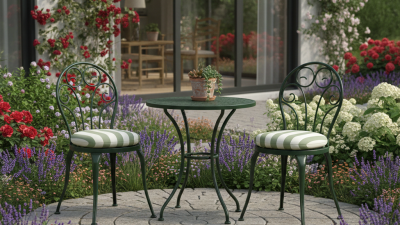
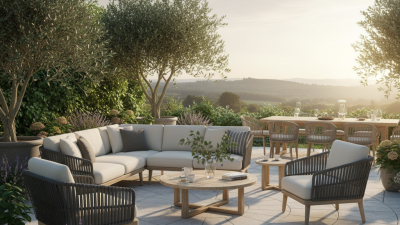
Why Choose Wooden Garden Furniture for Your Outdoor Space?
Choosing the right furniture for your outdoor space is crucial. "Wooden Garden Furniture" offers a timeless charm that enhances any garden. As landscape designer Sarah Miller states, “Wood brings a natural warmth that plastic and metal simply can't match.” Her expertise reflects the growing preference for sustainable materials.
Wooden furniture not only looks beautiful but also provides durability. When exposed to elements, quality wood can withstand wear and tear better than alternatives. Imagine hosting gatherings around a sturdy wooden table, surrounded by the pleasant scent of fresh timber. This experience is irreplaceable.
However, maintenance aspects require attention. Wooden pieces may need regular treatment to prevent damage. Some owners find this task daunting, yet it can be rewarding. Engaging with your furniture deepens your connection to the outdoor space. Therefore, investing in "Wooden Garden Furniture" is a commitment to both aesthetics and durability.
Benefits of Wooden Garden Furniture in Enhancing Outdoor Aesthetics
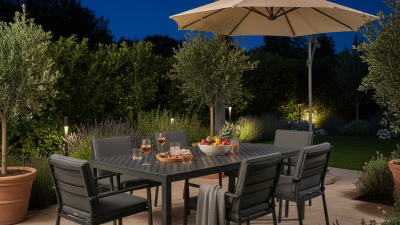
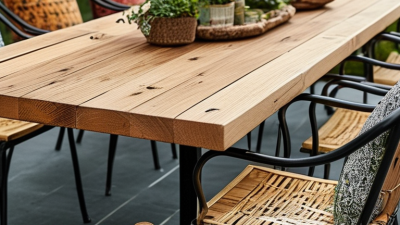
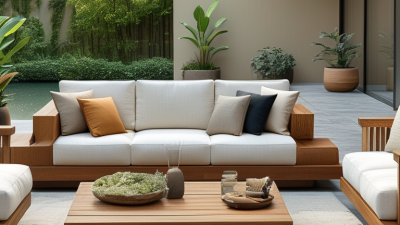
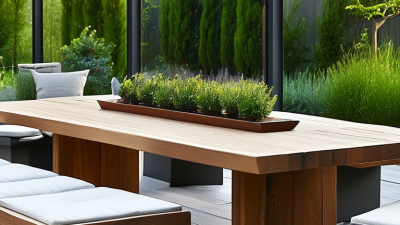
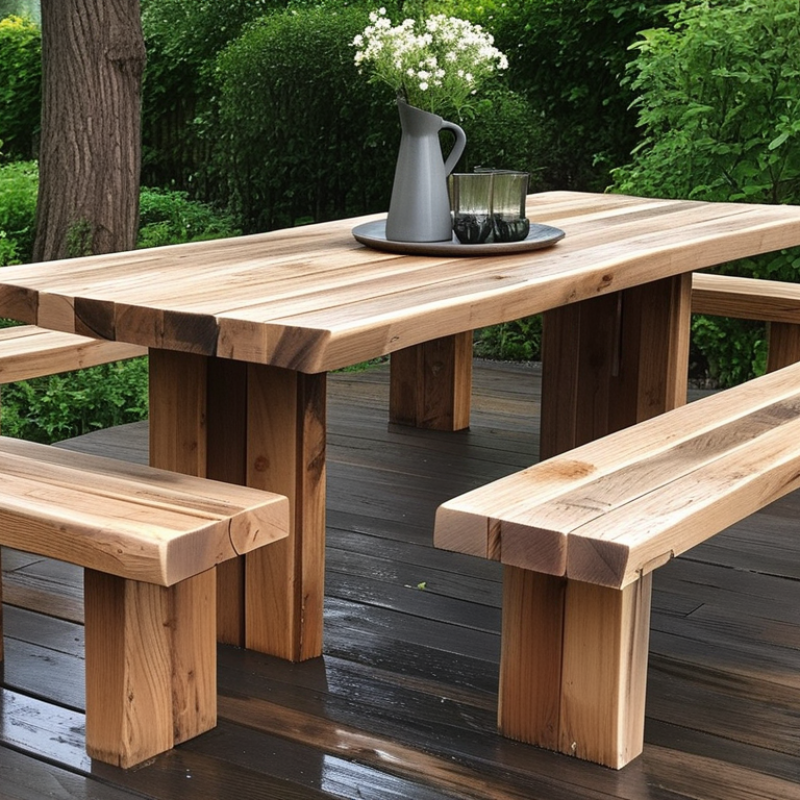
Wooden garden furniture brings a warm and inviting feel to any outdoor space. Its natural textures and rich hues create a cozy atmosphere that complements the beauty of nature. The organic look of wood blends seamlessly with plants and flowers, enhancing the overall aesthetics of your garden. Pairs of sturdy wooden benches or elegant tables invite relaxation and gatherings.
Adding wooden pieces can also encourage mindfulness. Imagine sipping tea in a wooden chair, surrounded by blooming plants. This setting fosters connection to the environment. However, wood needs care. Weather can damage unprotected surfaces. Regular maintenance is essential to preserve its beauty.
Choosing wood reflects a sustainable choice for your outdoor space. It is renewable and biodegradable. By opting for responsibly sourced wood, you contribute to eco-friendly practices. While it adds charm, ensure to select high-quality materials. Not all wood is created equal. Look for durable varieties to withstand the elements.
Durability of Hardwood vs. Softwood: Which is Better for Outdoor Use?
When considering garden furniture, the choice between hardwood and softwood is crucial. Hardwood, like teak and oak, offers greater durability. These woods resist weather elements, insects, and decay effectively. Their natural oils shield them from moisture, ensuring longevity. If treated properly, hardwood can last several decades, making it a worthy investment for outdoor use.
Softwood, on the other hand, includes pine and cedar. While typically more affordable, softwoods are generally less durable. They can warp, crack, or split over time, especially in extreme weather conditions. However, some softwoods, like cedar, contain natural preservatives that help resist rot. Regular maintenance, such as sealing or painting, is essential to extend their life.
Both wood types have their merits. Choosing the right one depends on your needs and how you use your outdoor space. Consider factors like budget, desired longevity, and maintenance commitment. This decision is not always straightforward; each option poses potential challenges and benefits. Reflecting on your lifestyle can guide you toward the best choice.
Durability of Hardwood vs. Softwood for Outdoor Furniture
This chart illustrates the durability of different types of wood used for outdoor furniture. Hardwoods such as Teak and Mahogany offer superior longevity, lasting up to 50 and 40 years respectively, compared to softwoods like Pine and Cedar, which have a lifespan of only 10 and 15 years.
Environmental Impact of Sourcing Sustainable Wood for Garden Furniture
Choosing wooden garden furniture offers more than just aesthetic appeal. The environmental impact of sourcing sustainable wood is significant. Sustainable forestry practices help to preserve ecosystems, ensuring that trees are harvested responsibly. This means less deforestation and more wildlife conservation. When choosing wood, look for certifications like FSC or PEFC. These labels guarantee that the wood comes from responsibly managed forests.
Using sustainably sourced wood benefits both the planet and local communities. It supports jobs in the forestry sector and promotes biodiversity, allowing local flora and fauna to thrive. However, the sourcing process is not without challenges. Sometimes, it can be difficult to trace the origin of the wood. There’s also the risk of greenwashing, where companies falsely claim sustainability. Consumers must remain vigilant. Researching the supply chain is essential to avoid these pitfalls.
Wood itself is a carbon sink. This means that it absorbs carbon dioxide as it grows. Choosing wooden furniture helps to reduce carbon footprints. Yet, care must be taken in its maintenance. Poor maintenance can lead to wood degradation, impacting its lifespan. Selecting durable, high-quality wood can minimize this risk. Balancing aesthetics, functionality, and environmental responsibility is crucial for any outdoor space.
Cost-Effectiveness: Comparing Wooden Furniture with Alternative Materials
When considering outdoor furniture, wooden options often stand out. They blend beauty with functionality. The aesthetic charm of wood can elevate any garden or patio space. Natural textures and colors create a warm, inviting atmosphere. However, cost-effectiveness is a crucial factor in deciding.
Comparing wooden furniture with metal or plastic alternatives reveals significant differences. While metal may offer durability, it can become hot in the sun, making it uncomfortable. Plastic furniture is often cheaper but lacks the charm of wood. Many people find wooden chairs or tables tend to last longer.
It’s essential to consider maintenance costs as well. Wooden furniture requires occasional staining or sealing. Some may see this as a drawback. In contrast, plastic needs replacement, which can add up over time. Each material has its pros and cons, inviting personal reflection on the right choice for your outdoor area.
Maintenance Tips for Preserving the Longevity of Wooden Garden Furniture
Wooden garden furniture can enhance your outdoor area. However, proper maintenance is crucial for longevity. A study by the Furniture Research Institute indicates that untreated wood can lose its integrity within three years. Regular care can significantly extend its life.
One important maintenance tip is to apply a protective sealant once or twice a year. This helps guard against moisture and UV damage. A sealant can reduce the risk of mold growth, which starts in damp conditions. Additionally, using a soft brush or cloth to clean the surfaces prevents grit from scratching the wood. An estimated 40% of outdoor furniture damage is due to improper cleaning methods.
For wooden furniture left outside, covering it during harsh weather extends its lifespan. While it may seem tedious, using a cover can prevent issues like warping and splitting. Even well-maintained wood can deteriorate if neglected during heavy rain or snow. Regular inspections for signs of wear can help you catch early damage. Each proactive measure reinforces the durability of your outdoor investment.